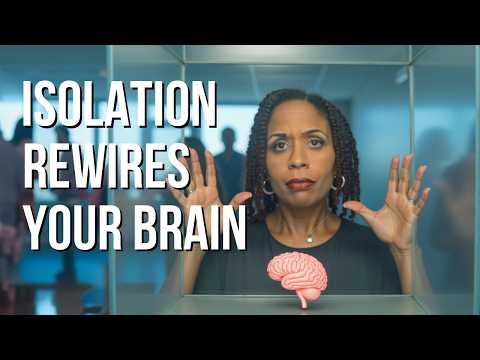
Okay, let’s talk about something super real: social isolation. It’s, like, a bigger deal than most people think. You know how it feels when you’re stuck at home for too long? That creeping sense of loneliness can hit hard.
Remember that time you just wanted someone to hang out with? Maybe you felt off for days after. Well, it turns out that being isolated isn’t just a bummer; it can really mess with your head, too.
People often brush it off as no biggie—like, «Oh, I’ll be fine.» But really? It can lead to some serious mental health struggles. So let’s dig into this a bit more. What’s happening when we feel so alone?
Understanding the Impact of Social Isolation on Mental Health: Key Insights and Research Findings (PDF)
Social isolation can really mess with your head, and it’s a topic that’s getting more attention these days. The thing is, when people are cut off from social connections, it doesn’t just feel lonely; it can lead to some serious mental health issues. Let’s break down how that works.
What is Social Isolation?
Basically, social isolation refers to a lack of social interaction or connections with others. It’s not just about being physically alone; it can also happen when you feel emotionally disconnected, even if you’re surrounded by people.
The Psychological Consequences
Here’s where it gets dicey. When you’re isolated for long periods, your mind starts playing tricks on you. You might experience feelings of sadness and depression. Honestly, it’s like this cloud hanging over you that just won’t lift.
- Anxiety: Continuous loneliness can ramp up anxiety levels. It makes sense, right? Without social support to lean on, it’s easy to spiral into all those “what-ifs.”
- Depression: Studies show that prolonged social isolation is a major risk factor for depression. It’s almost as if the mind starts to internalize your loneliness.
- Cognitive Decline: Research indicates that folks who are isolated may struggle with memory and decision-making over time.
Real-World Impact
Imagine a kid who moves to a new school. They don’t know anyone and start feeling left out at lunchtime—it goes on for weeks or even months. That child might end up struggling with anxiety or even feeling depressed because they can’t connect with others.
And let’s talk about older adults for a second; they’re often more vulnerable. As folks age, friends and family might drift away due to various life circumstances—losses, illnesses—leading them to feel utterly alone. Research shows this group sees higher rates of depression linked directly to their isolation.
The Science Behind It
So what does the research say? A meta-analysis published in reputable journals found that social isolation has severe impacts on mental health conditions like major depressive disorder and generalized anxiety disorder. Basically, the more disconnected you are socially, the worse your mental health can get.
What’s important is understanding that these aren’t just temporary feelings of sadness; they can become chronic if left unaddressed. The brain doesn’t take this lightly—it responds in ways we don’t always see right away.
Tackling Social Isolation
Bringing it back around: how do we deal with this? The best antidote is connection—just reaching out or finding community through shared interests can make a world of difference.
- Create Connections: Joining clubs or groups based on hobbies is huge! Even virtual meetups help.
- Create Routines: Engaging in frequent interactions with friends or family—even simple text exchanges—can help reduce feelings of isolation.
- Acknowledge Feelings: It’s okay to feel what you’re feeling! Recognizing loneliness is the first step towards changing it.
To wrap it up (not in a formal conclusion way!), social isolation isn’t just an inconvenience; it’s something real with deep psychological consequences. If you find yourself in a funk due to feeling cut off from others—or notice someone else going through similar struggles—don’t hesitate to reach out for help or simply check in on each other. Because at the end of the day, we all need each other more than we might think!
Understanding the Hidden Dangers: The Negative Effects of Social Isolation on Mental Health
Social isolation can be a silent struggle, you know? It’s not just about being alone; it’s about the emotional toll that often goes unnoticed. Look, when people spend too much time disconnected, it can lead to some serious mental health issues.
First off, being socially isolated can trigger feelings of depression. Imagine living in a world where you feel like no one understands you. Those thoughts can spiral. You might wake up feeling hopeless or even lose interest in things that once brought you joy. It’s like being stuck in quicksand, and the more you fight it, the deeper you sink.
Then there’s anxiety. It’s pretty common for those who feel isolated to develop overwhelming worries about social situations. Maybe the thought of going out makes your heart race or your palms sweat. You might wonder, “What if I say something stupid?” or “What if no one wants to talk to me?” This constant worry can keep people from seeking connection, creating a vicious cycle.
Another thing to consider is loneliness itself. Yeah, loneliness and social isolation are not quite the same thing, but they’re closely linked. When you’re alone for too long, it can make you feel as if there’s a void inside you—like something’s missing and no amount of distraction can fill it up. This emptiness can lead to cognitive decline, making it hard to concentrate or remember things.
It doesn’t stop there! You see, long-term isolation has also been linked to physical health issues like heart disease and weakened immune systems. So yeah, your mind and body are buddies; they’re connected! Stress from feeling isolated can mess with your body in ways that might surprise you.
And let’s talk about suicide risk for a moment—it’s really serious stuff. People who are socially isolated may struggle with suicidal thoughts more often than others because they feel trapped without support or hope. That feeling of hopelessness can be overwhelming when there’s no one around to lend an ear or offer comfort.
So what do we do about this? It helps if we recognize these patterns early on—if someone seems withdrawn or changes their behavior suddenly, check in on them! And if you’re feeling this way yourself—reach out! There are hotlines and community services designed precisely for these moments when life feels heavy and isolating.
The bottom line is that social isolation isn’t just an annoyance; it’s a significant threat to mental well-being and overall health. Stay connected with friends and family even when things get tough because those small connections matter—a lot more than we realize sometimes!
Exploring the Effects of Social Isolation on Mental Health in Older Adults: Understanding the Challenges and Solutions
Social isolation isn’t just about being alone; it really messes with your head, especially for older adults. When you’ve spent decades building relationships, suddenly feeling cut off can hit hard. You know, it’s like that moment when you walk into a party and realize you don’t know anyone there. Awkward, right?
The psychological consequences of social isolation can be pretty intense. A lot of older adults experience feelings of loneliness that lead to more serious mental health issues, like depression and anxiety. Imagine waking up each day without anyone to talk to or share your thoughts with—it’s tough.
Now, let’s talk about some key effects:
- Increased Risk of Depression: Social isolation can spiral into deep sadness. Sometimes it feels like you’re in a fog that never lifts.
- Anxiety Issues: Without social connections, the mind starts wandering to all the “what-ifs.” What if I fall? What if I can’t get help?
- Cognitive Decline: Staying socially engaged is crucial for brain health. Isolation can speed up cognitive decline, making it harder to think clearly or remember things.
- Physical Health Impact: Believe it or not, mental health and physical health are connected. Isolated people might neglect their physical well-being too.
I remember my grandma; she used to host weekly bingo nights with her friends. When she moved into a retirement community but couldn’t connect with others right away, she lost her sparkle. It was heartbreaking because we could see the change in her mood and energy level.
But here’s the deal: there are solutions! Connecting people back into social activities can be a game-changer:
- Technology Help: Video calls can bridge distances if family lives far away.
- Community Centers: Encourage older adults to attend classes or groups—crafting or cooking are often popular!
- Volunteer Opportunities: Giving back not only helps others but also builds connections. It really creates a sense of purpose!
- Pets as Companions: Having a furry friend around can significantly ease loneliness and provide comfort.
Breaking the isolating cycle is all about creating opportunities for connection and fostering relationships. It takes time and effort from family members and communities alike.
So really, let’s keep an eye on our older loved ones and check in on them more often—you never know when just a simple phone call might brighten their day!
You know, social isolation can really mess with your head. I mean, think about it. When you’re cut off from friends and family, it’s like a dark cloud rolling in. You might start feeling sad or anxious, or even just kind of numb. I remember a friend who really struggled during a tough time in her life—she’d locked herself away for weeks after a breakup. She went from being this vibrant person to someone who barely wanted to get out of bed. It was heartbreaking to see.
The thing is, when you’re isolated for too long, your brain can start playing tricks on you. It’s like living in an echo chamber where your own thoughts have no one to bounce off of. You might spiral into negative thinking, and things that once felt manageable suddenly seem overwhelming. Research shows that loneliness can lead to anxiety disorders and depression; it’s not just your imagination.
And then there’s the physical side of it too! Studies suggest that people who experience prolonged isolation often report physical health problems as well—like fatigue or heart issues. It’s wild how connected our minds and bodies are.
But hey, let’s not forget the flip side: connection can work wonders for our mental health! Just a simple chat with someone you trust can lift that weight off your chest, right? Even if it’s just texting or video calls; it doesn’t have to be face-to-face all the time. So yeah, isolating yourself might seem like the answer sometimes, but reaching out is such a game-changer. In those moments when you’re feeling alone, just know there’s always hope on the other side of that phone call or message waiting to be sent.