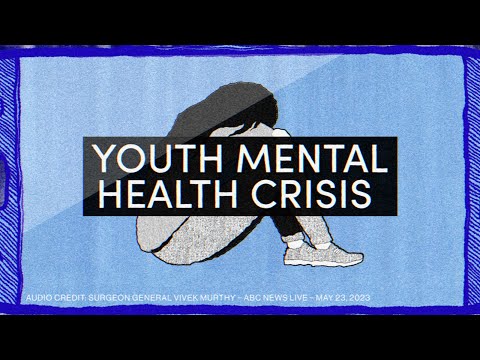
Social media, huh? It’s like that double-edged sword we can’t stop swinging. On one hand, it connects us to people we love. On the other, it sometimes feels like a sharp jab to the gut.
You scroll through your feed, seeing perfect lives and smiling faces. Yeah, it’s easy to feel a little left out or anxious. But there’s another side to this story too.
There are folks out there finding support when they need it most—through memes, hashtags, and online communities. So what’s the deal with social media and mental health? Let’s chat about it!
The Effect of Social Media on Mental Health: Understanding the Connection and Its Implications
Social media is a double-edged sword, you know? It can be super helpful, yet it can also mess with your mental health. Understanding the connection between social media and mental well-being is really important today.
On one hand, social media helps people connect. Imagine you’ve moved to a new city. You might feel lonely at first, but finding a group on social media that shares your interests can make you feel less alone. You can meet new friends and stay in touch with the old ones. That sense of community is pretty powerful!
However, there’s another side to this story. Social media can also lead to feelings of inadequacy. When you scroll through perfect pictures of someone’s life, it’s easy to think everyone else is living it up while you’re struggling. You might start comparing yourself to those highlight reels and feel worse about yourself.
Then there’s the whole aspect of cyberbullying. Some people use social media as a platform for hate or negativity. This can take a serious toll on someone’s mental health. If you’re being targeted online, it doesn’t just stop when you log off; these feelings can linger and affect your self-esteem and mood.
But there’s some positivity in all this chaos too! Social media provides support systems. For instance, there are countless online groups dedicated to mental health where people share their experiences and offer encouragement. This kind of peer support can be really beneficial because it makes folks feel understood and not alone in their struggles.
And then we have the algorithm game. The content you consume influences your mood. If you’re always seeing negative news or toxic posts, it’s bound to impact how you feel day-to-day. But if you’re following uplifting accounts or engaging with positive communities, that can boost your spirits! Your feed reflects what you like; remember that.
Let’s not forget about the addictive nature of social media too! Bingeing through feeds for hours on end messes with our attention spans and sometimes leads us to neglect real-life connections or responsibilities. It becomes this cycle where you might think you’re unwinding but end up feeling drained instead.
So what’s the takeaway here? Balance is key! Acknowledging how social media affects your mental health allows you to navigate it better—setting boundaries around usage or curating who and what shows up on your feed could be lifesavers! Learn what works for *you*, stay mindful of both good vibes and bad ones, and engage with others in a way that uplifts rather than drags down.
In short, social media’s role in mental health isn’t black and white; it’s more like shades of gray—beneficial but potentially harmful too if we aren’t careful with how we interact with it every single day.
Exploring the Effects of Social Media on Mental Health: Insights from Our Speech (PDF Download)
So, social media, huh? It’s everywhere these days. And while it can be a great way to connect with friends and share your life, it also has this not-so-great side that we really need to talk about. You’ll find that social media plays a significant role in mental health challenges, but it can also offer support—it’s a mixed bag for sure.
First off, let’s consider the negative effects. Social media can sometimes feel like a highlight reel of everyone’s best moments. You scrolling through photos of friends on vacation or that perfect dinner might leave you feeling like you don’t measure up. It’s like comparing your behind-the-scenes to someone else’s peak moments. Seriously, I remember chatting with a friend who said she felt constantly inadequate after looking at Instagram. She felt alone in her struggles, thinking everyone else was doing better.
Another biggie is cyberbullying. This isn’t just the stuff of TV dramas; it happens all the time online. People can say things they’d never dream of saying face-to-face. This kind of harassment can lead to anxiety and depression for those targeted. A friend of mine was really affected when some negative comments about her appearance popped up on her feed—it took a real toll on her self-esteem.
Then there’s this thing called FOMO—fear of missing out. You might see friends posting about events or gatherings you weren’t invited to, and boom! There goes your mood. It can make you feel isolated even when you’re surrounded by people who care about you.
But hold on! It’s not all doom and gloom when it comes to social media because there are also some positive effects worth highlighting:
Support communities are everywhere online now—people finding each other over shared experiences can be incredibly heartwarming and helpful! Just imagine coming across a group where folks understand exactly what you’re going through; it’s like finding your tribe! One thing I’ve seen is how people open up about their mental health struggles in these spaces and find comfort from others who have faced similar battles.
Plus, social media is great for raising awareness about mental health issues. It breaks down stigmas little by little when someone shares their story or talks openly about therapy or medication. I’ve seen friends post encouraging messages that inspire others to seek help or just open up more about what they’re feeling.
Another point is that platforms often provide educational resources too; just think about organizations using Instagram or Twitter to spread info on coping strategies and mental wellness tips. That kind of knowledge sharing has its perks!
Understanding the Impact of Social Media on Adolescent Mental Health: Insights and Research Findings (PDF)
Social media is a big deal for teens today. It’s where they connect, share, and express themselves. But there’s a lot more going on behind the screens, and it can really hit hard on mental health.
Social Connection vs. Isolation
On one hand, platforms like Instagram or TikTok can help young people feel connected. They can chat with friends, share their experiences, and even find communities that support them during tough times. But here’s the flip side: scrolling endlessly can also make them feel isolated. Seeing everyone else’s highlight reels can lead to feelings of inadequacy and loneliness.
Studies Say
Research has shown that heavy social media use is linked to increased anxiety and depression. A study found that teens who spent more than three hours a day on social media were more likely to report mental health issues. It’s like the more they connect online, the less they connect in real life.
Comparison Trap
You know how it goes—one minute you’re loving life, and the next you’re comparing yourself to that influencer with perfect skin? This constant comparison can seriously mess with self-esteem. Teens may start feeling like they’re not good enough because they don’t have that “perfect” look or lifestyle.
The Pressure to Perform
There’s also this pressure to curate an online persona. Teens might feel like they have to show only their best moments, which isn’t realistic. And when they don’t get enough likes or comments? Oof! That can hurt their self-worth and even lead to stress or anxiety about posting at all.
Cyberbullying
Then there’s cyberbullying—like traditional bullying but way worse because it follows you everywhere. One nasty comment or rumor spreading could make a teen feel completely alone and hopeless.
A Safe Haven?
But not all of social media is doom and gloom! Some communities are incredibly supportive. Platforms can offer spaces for discussions about mental health where teens can share their struggles without judgement—sometimes even finding help from peers who get what they’re going through.
The Balance is Key
So what’s the takeaway? Moderation seems essential here. Encouraging healthy social media habits is super important—like setting time limits or focusing on positive interactions rather than negative ones.
The bottom line is social media impacts adolescent mental health in complex ways—both good and bad. It’s essential for parents, educators, and teens themselves to understand these effects so we can navigate this digital world together effectively!
You know, social media is such a big part of our lives now. Some days it feels like you can’t escape it, and honestly, sometimes that’s a good thing, and other times… not so much. It’s kind of like that double-edged sword.
On one hand, scrolling through your feeds can be a total mood lifter. You see friends sharing funny memes or sweet moments from their lives. It’s like having your buddies right there with you, even if they’re miles away. I remember this one time when I was feeling pretty down. A friend posted a video of their puppy doing the silliest dance moves. I couldn’t help but laugh and feel a little better. It’s those tiny connections that remind us we’re not alone.
But then there’s the flip side of things too. Social media can also amplify our insecurities and anxiety levels, which is wild when you think about it. You find yourself scrolling through impossibly perfect life snapshots, comparing yourself to people who seem to have everything figured out—great jobs, spotless homes, perfect bodies—you name it! It’s super easy to start feeling like you don’t measure up. Like just last week, I was checking my Instagram when I stumbled upon someone who looked so effortlessly chic on vacation while I was sitting in my living room in sweats with a slice of pizza. Yeah, that kind of hit hard.
And then there are those moments when you see someone sharing their struggles online—be it anxiety or depression—and they talk about how they’re coping or looking for support. That’s the bright side again! Seeing others open up can create this sense of community where people feel okay sharing what they’re going through too. It reminds us that we all have our battles; no one’s life is as perfect as it seems on screen.
Social media can be powerful for mental health support networks—connecting with groups or pages dedicated to mental well-being can offer tips and encouragement when you really need them. But simultaneously, if you’re not careful with how much time you spend online or what content you consume, it can weigh heavily on your mental health.
So basically, while social media has its perks—like laughs and connections—it also comes with some heavy baggage at times. Finding balance is so crucial! Maybe take breaks when things get too overwhelming? Just remember: It’s okay to step back and focus on what really matters in your life outside the screen!