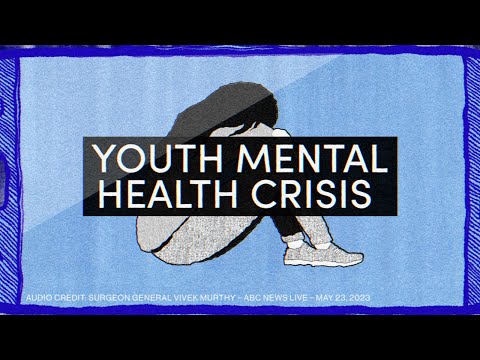
You know that feeling when you scroll through your social media feed and it just gets to you? Like, one minute you’re feeling alright, and the next, you’re comparing yourself to everyone else’s highlight reels. It can be a bit overwhelming, right?
Well, here’s the thing: teens are soaking in all those likes, filters, and perfect selfies every day. It’s like they’re living in a world where they have to measure up to some impossible standard. Seriously tough stuff.
And guess what? There’s been a lot of talk about how all of this is messing with mental health. Anxiety, depression, self-esteem issues—you name it. It really makes you wonder how much those little screens are impacting our kiddos.
So let’s chat about it! Social media can be kind of a double-edged sword. It connects people but also can push them down dark paths.
Exploring Social Media’s Impact: Research on Teen Mental Health Challenges
Social media is everywhere, right? And for teens, it’s like, a huge part of life. Honestly, it’s hard to imagine growing up without scrolling through Instagram or TikTok. But here’s the deal: this constant connection can really mess with mental health.
One big concern is **comparison**. In a world where everyone posts their highlight reels, it’s easy for teens to feel they’re falling short. You see someone’s perfect vacation photos or flawless skin and boom—self-esteem takes a hit. You might think, «Why do I not look like that?» It’s normal to compare yourself, but social media can crank those feelings up to eleven.
Then there’s the issue of **cyberbullying**. This has become a common problem since you can hide behind a screen to say pretty hurtful things. Studies have shown that kids who experience cyberbullying often struggle with anxiety and depression. It’s like being bullied all over again, except it can follow them everywhere—at school or even at home.
And let’s not forget about **sleep issues**. Many teens stay up late scrolling through feeds or watching videos instead of catching some Zs. Lack of sleep can lead to all kinds of problems—like mood swings and difficulty concentrating. It’s tough when you’re already juggling school and friends!
Now, there are some positive sides too! Social media can create communities and support networks for teens who might feel isolated in real life. Like if someone is dealing with mental health issues or identity struggles, finding others online who get it can be super comforting.
But balancing those positives with the negatives can be tricky. Some research suggests setting limits on screen time could help reduce anxiety and promote better sleep habits. However, just telling someone to “put their phone down” isn’t gonna cut it; it’s way more complicated than that.
In short, while social media offers connection and creativity for teens, the potential downsides are pretty serious too. It’s important for parents and guardians to stay engaged and talk openly about what kids are experiencing online—because communication is key!
So next time your friend mentions feeling low because of something they saw online or getting anxious about likes and comments, remember how deep this goes! An open chat about these feelings might just make all the difference in tackling these social media challenges head-on!
Unpacking the Harmful Impact of Social Media on Teen Mental Health: Key Statistics Revealed
Social media has become such a huge part of our lives, especially for teens. It’s like this double-edged sword that can connect people but also seriously mess with mental health. You know what I mean? Let’s dig into how it affects young minds.
Increased Anxiety and Depression
Studies show that heavy social media use is linked to higher rates of anxiety and depression among teens. Seriously, a recent survey found that more than 25% of teens reported feeling depressed after scrolling through their feeds. Not cool, right?
Comparison Culture
Teens often find themselves in this constant comparison game. They see those picture-perfect lives online and feel like they don’t measure up. It’s kind of crushing when you think about it. This can lead to feelings of inadequacy, low self-esteem, and isolation.
- Fear of Missing Out (FOMO): Social media often feeds into this anxiety about missing out on events or experiences other people seem to be having. That constant fear can really weigh on a teen’s mind.
- Cyberbullying: Sadly, the internet can be a cruel place. Cyberbullying is a real issue that many teens face today. Victims often experience depression, anxiety, and even suicidal thoughts.
- Sleep Disruption: Scrolling late into the night? That blue light can trick your brain into staying awake longer, which messes with sleep patterns. Lack of sleep is directly tied to mood swings and emotional distress.
The Pressure to Perform
For many teens, there’s immense pressure to maintain a certain image online. They feel obligated to post only the best moments or create this perfect persona. You’ve got young people spending hours crafting the ideal post instead of just enjoying their lives.
A Need for Validation
Likes and comments can become like a drug for some teens—it’s all about those validation hits! If they don’t get enough likes on a post, they might feel rejected or unworthy, leading to further emotional turmoil.
And you might have seen the statistic that nearly 60% of teens say social media affects their self-esteem negatively! That kind of impact is hard to ignore.
The Bright Side?
It’s not all doom and gloom! Some studies suggest that when used mindfully and in moderation, social media can provide support networks for teens struggling with mental health issues. But finding balance is key here.
So basically? Social media can be harmful if not used carefully—but there’s always room for positive interactions if we approach it right!
The Hidden Dangers: Exploring the Negative Impact of Social Media on Mental Health
It’s wild how much social media has become a part of our lives. I mean, think about it. You’re scrolling through your feed when suddenly you stumble upon the perfect life someone else is living. You know—the cute outfits, the fancy vacation spots, and those amazing food pics. But here’s the thing: that perfection on social media can really mess with your head.
First off, let’s talk about comparison. It’s in our nature to compare ourselves to others, but social media takes it to a whole new level. When you see someone looking flawless and living it up, it’s hard not to feel like you’re missing out or falling short in some way. This can lead to feelings of inadequacy or low self-esteem. Seriously, I’ve heard stories of friends who felt terrible after scrolling through just a few posts.
Then there’s cyberbullying. It’s not just kids playing around anymore; it’s real hurtful stuff happening online. Some teens face constant harassment over platforms that should be used for connection. Imagine waking up every day knowing people are saying awful things about you while they hide behind a screen. Ouch! This can lead to anxiety, depression, and sometimes even more serious mental health issues.
Another thing? The endless cycle of likes and comments can really mess with your mood. If you post something and it doesn’t get enough attention, you might feel disappointed or rejected. It’s like a little rollercoaster ride for your emotions—up when people engage and down when they don’t—which can be exhausting over time.
And let’s not forget about screen time. Spending hours on your phone can actually affect sleep quality too! If you’re up late scrolling instead of sleeping, you’re robbing yourself of rest that is super important for mental health. Sleep deprivation affects mood regulation; being tired just makes everything seem worse.
Now, because social media is designed to be addictive, it’s so easy to fall into that trap! You think you’ll just check for five minutes but before you know it… boom—two hours gone! This kind of behavior can lead to disengagement from real-life relationships and activities that actually boost happiness—like hanging out with friends or picking up hobbies.
But here’s an uplifting thought: awareness is key! Just knowing how these platforms work can help manage their impact on mental health. You have the power to take breaks or even set boundaries about how much time you spend online!
So if you’re feeling overwhelmed by social media’s influence on your life—or if it’s affecting someone close to you—don’t hesitate to reach out for support. Chatting with friends or professionals can provide great perspective when things get tough.
In summary:
- Comparison: Social media feeds feelings of inadequacy.
- Cyberbullying: Online harassment leads to anxiety and depression.
- Emotional Rollercoaster: Likes can lift moods while low engagement brings them down.
- Poor Sleep Quality: Late-night scrolling robs essential rest.
- Addiction: Easy to lose track of time; disengagement from real life happens.
Keeping these points in mind could help navigate the complex world of social media without losing touch with yourself!
You know, social media is like this double-edged sword. On one hand, it connects people, lets you share your life, and all that good stuff. But on the flip side? It’s got some seriously dark corners that can mess with your head, especially for teens.
I remember a friend of mine in high school who was super active on Instagram. She’d post these beautiful photos of herself and her friends, all smiles and fun. But behind the scenes, she was battling anxiety like it was her only friend. Seeing everyone else’s highlight reels made her feel inadequate. She’d say things like, “Why can’t I have a life like that?” And honestly? I think a lot of teens feel the same way.
The scrolling can be endless—a rabbit hole of perfect bodies, luxurious vacations, and “perfect” lives. It’s no wonder so many young folks end up feeling anxious or depressed when they measure their reality against those polished images. The pressure to fit in or get likes can be intense! Like, if you don’t have enough followers or engagement, does that mean you’re less worthy? That’s pretty harsh.
Plus there’s cyberbullying thrown into the mix—like an invisible punch in the gut from behind a screen. It might not hurt physically, but emotionally? Ugh! It can leave scars that stick around longer than you’d expect.
Getting into arguments or negative comments can escalate quickly too—it’s just a bunch of chaos waiting to happen! So many teens are navigating tough emotions already; adding online drama makes everything so much more complicated.
So yeah, while social media has its perks—keeping up with friends and sharing experiences—I think we’ve got to be super mindful about how it impacts mental health. Sometimes taking a break from all those notifications feels way healthier than trying to keep up with an endless stream of posts. Balance is key here; finding ways to connect face-to-face or locking in some time for self-reflection can do wonders for clearing your mind.
Just remember: behind every picture-perfect post is probably someone dealing with their own struggles—like insecurity or stress—just waiting for connection in this wild world we live in.