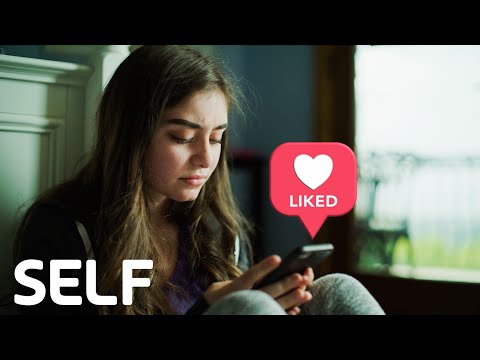
You know, social media is kind of everywhere these days, right? It’s like we can’t escape it. We scroll through feeds, check notifications, and post about everything from our breakfast to our latest adventures.
But here’s the thing—while it can be super fun and connect us with friends, it can also mess with our heads a bit. Anxiety and depression? Yeah, those feelings seem to pop up more often these days among users.
Sometimes, you might just feel that pressure to be perfect online. Or maybe you catch yourself comparing your life to someone else’s highlight reel. It’s all too easy to get lost in that world.
So what’s really going on behind the screen? Let’s dive into this messy little relationship we have with social media and how it’s affecting our mental health.
Understanding the Impact of Social Media on Anxiety and Depression: Key Statistics Revealed
Social media is a double-edged sword, right? On one hand, it connects us; on the other, it can really mess with our heads. You might’ve seen some stats flying around that show how it can ramp up feelings of anxiety and depression. Let’s get into it.
First off, the numbers are telling. A study from the Pew Research Center revealed that about 70% of teens say they feel an intense pressure to present themselves perfectly online. That’s a lot of pressure! It’s like constantly being on stage without a break. And when you keep seeing others’ highlight reels—like those #blessed vacation pics or perfect meal shots—it can lead you to feel inadequate.
Comparing yourself to others is a common pitfall. You scroll through feeds filled with curated lives and suddenly your own reality feels a bit dull. A survey found that 55% of people felt worse about their lives after using social media. It’s no wonder mental health professionals often see this trend—it’s almost as if social media creates a breeding ground for negative self-talk.
Also, consider the time spent online. Research indicates that spending more than three hours per day on social media platforms is linked to higher levels of anxiety and depression in teens and young adults. Imagine scrolling for hours only to realize you haven’t really done anything fulfilling all day.
And let’s talk about cyberbullying. This nasty side effect of social media can lead to serious consequences for mental health. Victims are at an increased risk for both anxiety and depression, sometimes leading even to thoughts of self-harm. The anonymity behind screens makes people feel bold enough to say hurtful things they’d probably never say face-to-face.
But wait! Not everything is doom and gloom. There are positives too. Some folks find support groups online where they can connect with others who share similar struggles. That sense of community can be vital for someone feeling isolated.
In summary, while social media has its perks—like staying in touch with friends or sharing experiences—it also brings along challenges that affect mental health significantly. The key is balance; understanding when it helps or harms you personally is crucial to maintaining your well-being in this digital age.
So next time you find yourself scrolling endlessly, check in with how you’re feeling about it all!
The Impact of Social Media on Mental Health: Understanding the Link to Depression and Anxiety
So, social media, huh? It’s like a double-edged sword. On one hand, it connects us with friends and family like never before. But on the flip side, it’s also linked to a rise in anxiety and depression among users. I mean, you’ve probably felt it yourself—scrolling through your feed and suddenly feeling down about your own life. It’s not just you; there’s some real science behind that.
First off, let’s hit the *likes* and *follows*. People often tie their self-worth to these numbers. When you post something and it doesn’t get a lot of interaction, it can feel like a punch in the gut. This can shift your mood pretty quickly. You begin to think things like, “Why don’t people care?” or “What did I do wrong?” That can lead to feelings of sadness or anxiety.
And then there are *comparison games*. You know how it goes—everyone seems to be living their best life online while you’re just trying to get through your day? Social media is filled with highlight reels. It’s easy to forget that those perfectly curated photos often hide struggles and imperfections. This constant comparison can really drag you down. It feeds feelings of inadequacy and fosters unrealistic expectations about what life should look like.
Another thing is *online interactions vs. real-life connections*. While social media keeps us connected at a distance, it might actually make us feel more isolated in the long run. Scrolling through posts might give a false sense of belonging but leave you feeling even lonelier when you log off. It’s like being at a party but feeling invisible.
Let’s not forget about the trolls out there—mean comments can be brutal! Cyberbullying is real and it’s affecting mental health big time. One harsh comment can linger in your mind for days or even longer, spiraling into anxiety about how others perceive you.
Also, there’s that endless scrolling habit we all have now—seriously, where does the time go? Spending hours online can disrupt sleep patterns too. You stay up late scrolling through posts instead of getting those Z’s your brain desperately needs! Sleep deprivation opens a whole new door for anxiety and depressive symptoms.
But here’s where things get interesting: some studies suggest that it’s not all doom and gloom with social media! Depending on how you use it, social media can also promote positive experiences like support networks or sharing uplifting content that inspires hope or joy.
To wrap it up—I mean, this isn’t an easy topic to tackle because social media isn’t going anywhere soon! You just gotta find balance in how you engage with it. Maybe take breaks when needed or curate your feed to follow accounts that uplift rather than bring you down.
In the end, keeping awareness about what social media does to our mental health is key. Know when it’s helping versus hurting. Your mental well-being deserves attention too!
The Dark Side of Social Media: Understanding Its Negative Impact on Mental Health
Social media has become a huge part of our lives, right? While it can connect us with friends and family, there’s also a not-so-fun side to it that can really affect our mental health. Let’s dig into some of the ways social media messes with our minds.
First off, there’s what we call the **comparison trap**. You see those perfectly curated vacation photos or lifestyle posts, and it’s hard not to think, “Wow, my life isn’t that exciting.” This constant comparison can lead to feelings of inadequacy. You might start feeling anxious or depressed because you’re measuring your worth against highlight reels instead of real life.
Another thing is **FOMO**, or the fear of missing out. When you see friends hanging out without you, you can feel left out and lonely. It’s like everyone else is living their best life while you’re, well… at home in your pajamas binge-watching a show. That sense of isolation can seriously crank up anxiety levels.
Then there’s the issue of **cyberbullying**. Unfortunately, social media gives people a platform to say things they wouldn’t dare say in person. I mean, we’ve all heard stories about someone getting harassed online. That kind of negativity sticks with you and can spiral into feelings of worthlessness or severe anxiety.
The thing is, scrolling for hours on end can also mess with your sleep patterns. If you’re glued to your phone until late at night, it’s tough to unwind for sleep, leading to fatigue and exacerbating feelings of stress and anxiety. Sleep deprivation impacts mood regulation too—so it’s like a vicious cycle.
And don’t forget about the tendency for social media to create **echo chambers**—places where you only hear opinions that echo your own beliefs. While that might feel comforting sometimes, it can foster an “us vs them” mentality and heighten stress levels when encountering differing viewpoints.
Finally, the role of **constant notifications** can’t be overlooked either. Every ping feels urgent and important; all this pressure builds up and can leave you feeling overwhelmed and unable to focus on anything else going on in your life.
In short, while social media has its perks—like bridging distances with loved ones—it’s essential to recognize its darker elements too. Engaging more mindfully with it could help take some weight off your mental health shoulders! Think about setting time limits or curating your feed to include more positive influences instead—you know? Just small changes like these could make a big difference in how social media affects you!
You know, social media has really transformed the way we connect with each other. It’s like a double-edged sword though, right? On one hand, it lets you keep up with old friends and share life moments. But on the flip side, it can totally mess with your mental health.
I remember scrolling through Instagram one night, feeling kinda low. Everyone seemed so perfect—great lives, beautiful vacations, flawless skin—you get the drift. I’m just sitting there in my sweats eating ice cream. It’s like this nagging voice starts creeping in, telling me I should be doing more or looking better. And that feeling? Yeah, it lingered well into the next day.
Research has shown that heavy social media use can ramp up feelings of anxiety and depression. You start comparing yourself to those curated snapshots of happiness and suddenly everything about your own life feels… less than. It’s exhausting! And not to mention when you’re constantly bombarded by news headlines or negative posts—like how’s a person supposed to feel grounded when all this chaos is at your fingertips?
Plus, there’s this weird pressure to stay connected and engaged all the time. If you don’t post for a while or ignore messages, it’s almost like you’re letting people down or missing out on something major. That fear of missing out (FOMO) can be real heavy! This cycle of validation through likes and comments can lead to some serious anxiety when those notifications aren’t rolling in like you’d hoped.
What’s wild is that even though we have all these connections online, many people feel more isolated than ever. You could have hundreds of friends online but still feel lonely in a crowded room—kinda sad when you think about it.
So yeah, while social media can bring joy and connection, it’s super important to check in with yourself every once in a while. A little detox now and then might just help clear that mental fog and remind us what real connection feels like—without filters or hashtags!