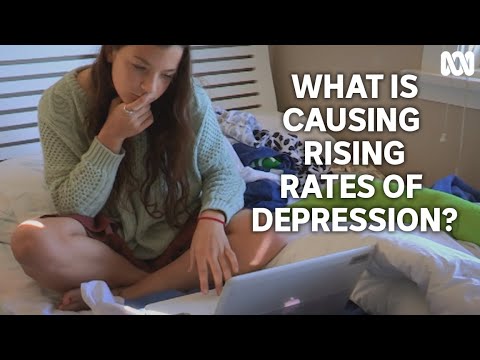
You know how you can scroll through your feed and feel totally pumped one minute, then kinda down the next? Yeah, me too.
It’s wild how social media can make you feel like everyone else is living their best life, right? But underneath that shiny facade, there’s a lot going on.
More and more young people are saying they feel depressed or anxious, and it’s kinda hard not to wonder if there’s a connection with social media. Seriously, there’s something to unpack here.
Let’s chat about how all those likes and shares might be messing with our heads. It’s a real thing, and it’s affecting folks way more than we think. So, let’s dig into this together!
Exploring the Link Between Social Media Use and Depression in Young People
Social media is like the new hangout spot, right? But, it’s not all fun and games, especially when you look at how it might be linked to rising depression in young people. The thing is, while connecting with friends online can feel awesome, it can also stir up some pretty deep feelings.
Comparison Trap: When you scroll through Instagram or TikTok, it’s hard not to compare yourself to others. Everyone seems to be living their best life, but you never see the bad days—they don’t post that stuff! This constant comparison can lead to feelings of inadequacy and low self-esteem. Seriously, think about it. When was the last time you felt good after watching someone else’s perfect vacation photos?
Cyberbullying: This one is huge. Social media can turn into a battlefield really fast. The anonymity behind screens sometimes brings out the worst in people. If someone’s being bullied online, it can feel like there’s no escape because that negativity follows them everywhere—into their inbox or timeline. For some young folks, this leads to anxiety and depression.
Fear of Missing Out (FOMO): So, you’re scrolling and see your friends hanging out without you. That sting hits hard! FOMO is real and can cause major anxiety. It messes up how you see your own social life and leads to feelings of isolation—even when you’re surrounded by people.
Sleep Disruption: Ever stayed up late scrolling through feeds? It’s super easy to lose track of time when you’re online. But those late nights mess with your sleep patterns, which is a big deal! Lack of sleep is linked to mood disorders and higher levels of irritability—who doesn’t get grumpy when they’re tired?
Unrealistic Expectation of Connection: Social media gives us tons of friends but real connections are different, right? Liking a post doesn’t mean someone really knows you or cares for you deeply. Young people might start feeling lonely even though they have hundreds of followers because those relationships are surface-level.
In reality, not all social media use leads directly to depression; it often depends on how it’s used and individual circumstances. Some young people actually find support through online communities—like peer groups or mental health resources—which help them cope.
So yeah, the link between social media use and depression isn’t just black-and-white; it’s super complex with many shades in between.We need more conversations about healthy usage and boundaries around these platforms!
Exploring the Connection Between Depression and Social Media: Effects on Mental Health
So, you know how social media is everywhere nowadays? Seriously, it’s like everyone is glued to their screens. But here’s the deal: this constant connection can totally mess with our mental health. Let’s take a closer look at the connection between depression and social media, especially among young people.
First off, when you scroll through feeds filled with perfect lives and stunning selfies, it’s hard not to compare yourself, right? Well, that comparison game can lead to feelings of inadequacy. You might think, “Why can’t I look like that?” or “Why don’t I have a life like that?” This cycle of negative thoughts eventually contributes to depression.
And let’s not forget about the fear of missing out, or FOMO for short. When your friends are posting about epic parties or trips, it’s easy to feel left out. That pressure can make you feel pretty isolated and lonely even if you’re surrounded by people. It’s a weird paradox but totally real.
- Cyberbullying: This is unfortunately a biggie on social media platforms. Imagine getting nasty comments on your posts or being excluded from groups online—super hurtful stuff that can really drag someone down.
- The highlight reel effect: Everyone only shares their best moments online—birthdays, vacations, promotions—and when we see that all day long, it feels like everyone else is living this perfect life while we’re just… here.
- Addiction and overspending time online: Spending hours scrolling through content can lead to neglecting real-life responsibilities and relationships. This disconnect can escalate feelings of sadness or worthlessness.
You might be wondering how exactly these interactions play out in real life. Well, think about Sarah—a college student who only posts pictures when she’s having fun but feels super down behind the scenes. She spends way too much time online looking at her friends’ perfectly curated lives and ends up feeling more isolated than ever. Over time, these feelings build up until she finally seeks help.
The thing is: while social media isn’t bad in itself—like staying connected with loved ones can be great—it does have its dark sides when overused or misused. It creates an echo chamber where negative emotions thrive if you’re not careful about who you follow and how much time you spend scrolling.
A lot of experts suggest taking breaks from social media every now and then to reconnect with yourself and reality! And hey, talking about your feelings with someone close can also help lighten the load—it’s all part of looking after your mental health!
So next time you find yourself mindlessly scrolling through your feed, just remember: it’s okay to step back for a bit. Focus on those real-world connections instead!
Social Media Anxiety and Depression: Key Statistics You Need to Know
Social media’s impact on mental health is a big topic these days, especially when it comes to anxiety and depression among young people. You know, scrolling through feeds can sometimes feel like a rollercoaster of emotions. One minute, you’re loving life; the next, you might be feeling down.
Research has shown some pretty staggering statistics that highlight this connection. For instance, a study found that around 70% of young people believe social media affects their mental health negatively. That’s a lot! This isn’t just some tiny number; it means that many are feeling the weight of online interactions.
Social media platforms often promote unrealistic standards. Think about it—those perfect selfies or glamorous vacation pics can really mess with your self-esteem. You see these ideal lives and, without realizing it, start comparing yourself to them. This comparison culture is linked to feelings of anxiety and depression. It’s like a black hole for your joy!
Here are some key things to consider about this whole situation:
- Increased feelings of loneliness: Many users report feeling lonelier after spending time on social media. It’s quite paradoxical since platforms are built for connection.
- Cyberbullying: Being targeted online is all too common and can drastically affect mental well-being.
- A decrease in face-to-face interactions: With more time spent online, real-life relationships often take a backseat.
- Sleeplessness: Late-night scrolling and notifications can mess up sleep patterns, which is crucial for good mental health.
One thing I find particularly striking is how researchers have noted that each additional hour spent on social media increases feelings of depression in teens by about 15%!. Can you imagine? Just an hour more could really change how someone feels throughout the day.
It’s not all doom and gloom, though! Some folks use social media positively by following accounts that promote mental health awareness or communities that provide support and encouragement. Finding the right space online can actually help combat some of those negative effects.
But at the end of the day, knowing how much you’re affected by social media is super important. Taking breaks or setting limits can make a world of difference if you ever feel overwhelmed or anxious after scrolling through your feeds.
Social media, right? It’s like the world’s biggest double-edged sword. On one hand, it connects us in ways that just weren’t possible before. But on the other hand, it opens up this whole can of worms when it comes to mental health, especially for young folks.
I remember chatting with a friend of mine who was always glued to her phone. She’d scroll through Instagram for hours, comparing her life to those picture-perfect feeds. I could see it was getting to her. She started feeling like she wasn’t doing enough. You know that feeling? Like everyone else is living this awesome life while you’re just… well, living your normal one? That constant comparison can be draining.
It’s wild how social media can amplify feelings of isolation or inadequacy. Young people are bombarded with images and posts that shape an ideal—like the ultimate vacation spots or the latest fashion trends—without any of the behind-the-scenes reality. This curated perfection might give a quick dopamine hit but can often lead to feelings of loneliness or sadness once they step away from their screens.
What you also gotta consider is the pressure to be constantly “on.” Young people feel like they need to post something interesting or relatable all the time; otherwise, they fear fading into the background noise. This pressure can morph into anxiety and even depression when things don’t go as planned.
I mean, think about it: when was the last time you scrolled through a feed and didn’t feel a twinge of something? It might be envy or even frustration with yourself for not measuring up—whatever that means! But what’s often overlooked is that many people only show what they want you to see.
So yeah, while social media can foster connections and allow self-expression, we can’t ignore its darker side. It challenges young people’s mental wellbeing in ways we’re still trying to fully understand. Finding a balance between real-life interactions and online presence seems key, doesn’t it? Setting boundaries could help reclaim some peace of mind amidst all this chaos.
In short, social media isn’t going anywhere soon; it’s how we use it that really matters. Just taking a step back every now and then might do wonders for our mental health—and honestly? That’s something we all could use more of these days!