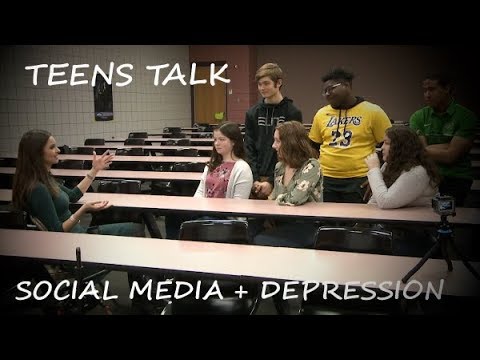
You know, social media’s like this double-edged sword. On one hand, it connects us with friends, family, and people we haven’t seen in years. But on the other hand? It can seriously mess with our heads.
Especially for teens. They’re scrolling through feeds filled with perfect lives and smiles. And let me tell you, it’s hard not to compare yourself to that. Ugh.
It’s a struggle that so many face today. That feeling of being left out or not measuring up? It can really hit hard.
Let’s chat about the connection between all this online stuff and how it plays into feelings of depression. Because honestly? It’s a conversation we need to have.
Understanding the Impact of Social Media on Adolescent Mental Health: Insights and PDF Resources
Social media is everywhere these days, and if you’re a teen or know one, you’ve probably seen how it can really twist things up mentally. You might be scrolling through a feed and feel that little stab of feeling less than perfect. It’s no coincidence, either. We’re talking about something pretty serious here.
First off, social media often sets up this impossible standard for how life should look. You see those flawless selfies, right? Or the highlights of someone’s “perfect” day. But here’s the thing: most people don’t post their bad hair days or the times they’re just sitting around binge-watching Netflix in sweatpants. This can lead to feelings of inadequacy for teens who compare their everyday reality to these glorified versions of life.
Another factor is the sheer amount of time teens spend online; it’s like they’ve got these virtual hangouts that never close. Studies show that more screen time can lead to increased feelings of loneliness and depression. That’s wild but makes sense when you think about it! Instead of connecting face-to-face, friends are swapping memes and likes.
Now, let’s talk about something else—bullying. It doesn’t just happen on playgrounds anymore; it spills over into social media with things like cyberbullying. Imagine being targeted by peers not just at school but also online where you can’t escape it easily. The emotional toll can be super heavy.
And then there’s this whole thing called FOMO or Fear Of Missing Out. Teens scroll through pictures from parties they weren’t invited to or activities their friends did without them and suddenly feel super anxious or sad about their social lives.
You might wonder, “Is there anything good about social media?” Well, absolutely! It can help teens connect with others who share similar interests or struggles—like mental health support groups can spring up out of nowhere on platforms like Instagram or TikTok, bringing comfort in difficult times.
If you’re looking for more depth on this topic, there are some excellent resources available in PDF formats out there. They dive into studies related to social media use and mental health impacts specifically for teens.
So yeah, the takeaway here is that while social media has its upsides, its downsides can be pretty significant too when it comes to adolescent mental health. It’s crucial for teens—and everyone else—to find a balance in how they engage with these platforms and stay aware of their emotional reactions while scrolling through feeds. Being mindful could make a real difference.
Exploring the Effects of Social Media on Teen Mental Health: Insights from Recent Research
Social media has seriously transformed the way we connect, especially for teens. It’s like a double-edged sword. On one hand, it brings friends together, but on the other hand, it can mess with mental health. Research shows a growing link between social media use and mental health issues, especially depression among teenagers.
First off, let’s talk about comparison culture. When you scroll through your feed, it’s easy to see everyone else having a blast while you might feel stuck in a rut. Seriously, those perfect selfies and seemingly fabulous lives can lead to feelings of inadequacy. You’re looking at this highlight reel of someone else’s life while you’re dealing with your own struggles. You know how it is—you might start thinking you’re not good enough.
Then there’s the whole issue of cyberbullying. It’s like bullying but online and often way harder to escape from. Imagine you’re just hanging out online and suddenly get hit with mean comments or hurtful messages. That stuff sticks around and can really eat away at your self-esteem and make you feel super anxious or even depressed.
Also important is the role of addiction. Teens can get hooked on social media without even realizing it. The constant notifications and likes can create this weird cycle where you feel great when you get attention but terrible when you don’t. This rollercoaster can leave lasting effects on mood—a real recipe for anxiety or depressive thoughts.
Another thing is sleep disruption. A lot of teens are glued to their screens late into the night. This lack of sleep doesn’t just make you groggy; it messes with your emotional health too! If you’re tired all the time, it’s tougher to handle stress or interact positively with friends and family.
Now consider connection too. While social media can feel isolating at times, it also helps many teens find their tribe—people who share their interests and struggles. That sense of belonging can be powerful in combating loneliness! So yeah, for some teens, social media serves as an outlet for expression and support.
But here comes the important part: balancing use is key. Setting limits on screen time or curating who and what you follow might help in feeling more positive about your experience online. Think about this: if something makes you feel bad instead of good, maybe it’s time to hit that unfollow button!
To wrap it up: social media’s influence on teen mental health is complex with its ups and downs—you have moments of connection but also potential pitfalls that can lead to depression or anxiety. Staying aware of how it affects your mood is crucial! Open chats about these experiences are so needed; talking things out makes a difference in understanding oneself better amidst all this digital noise.
How Social Media Affects Teen Mental Health: Insights and Strategies for Parents
Social media is everywhere, and for teens, it can feel like a second home. But what’s often overlooked is that this digital space can mess with their mental health. You see, scrolling through Instagram or TikTok isn’t just about sharing moments; it’s tied to feelings of anxiety, depression, and loneliness. Let’s break down how that works and what parents can do.
Social media tends to paint a pretty picture, right? Everyone seems happy, living their best lives, but behind those filtered photos, things aren’t always as rosy as they seem. Teens might compare themselves to these idealized versions of reality—like when your kid sees a classmate post about their glamorous vacation. It’s easy to feel left out or inadequate if they’re stuck at home during summer break.
Studies have shown that the more time teens spend on social media, the worse their mental well-being can get. High usage has been linked with increased feelings of depression and anxiety. This constant exposure to everyone else’s highlight reels? It’s not harmless. You know how sometimes you just feel on edge scrolling through feeds filled with “perfect” lives? That feeling isn’t unique.
Another point worth noting is the fear of missing out (FOMO). It’s like an everyday struggle for teens. Seeing friends hang out online while they’re at home can create a sense of isolation even when they’re socializing digitally. Now, imagine being a teen who feels left out twice: once in real life and again online—yikes!
On top of that, cyberbullying is a serious issue too. The anonymity kids enjoy online can turn them into bullies behind screens or make them vulnerable targets for hurtful comments. And this isn’t just some “kids will be kids” scenario; it often leads to real emotional scars that are hard to heal.
So what can parents do? Here are some strategies:
- Open the dialogue: Start conversations with your teen about their online experiences.
- Set limits: Encourage healthy boundaries by setting specific times for social media use.
- Promote real-world connections: Foster friendships outside of screens—hangouts at parks or game nights.
- Talk about media literacy: Help them understand what they see online isn’t always reality.
- Be supportive: If you notice signs of distress or withdrawal in your teen, talk about it openly without judgment.
Remember when you were younger and everything felt amplified? Emotions could swing from zero to one hundred really fast! Teens today deal with all that with an added layer courtesy of social media. They need support but also guidance from parents who understand the digital realm they’re navigating.
Tuning into their emotions and being there means more than just checking in; it’s about creating an environment where teens feel safe expressing themselves without fear of judgment—which is super important! Opening up those lines of communication might just help them cope better with whatever’s happening online.
So yeah, while social media has its perks—like connecting with friends or discovering interests—it also brings challenges that affect mental health in ways we’re still learning about. Parents play a key role in helping their kids balance both worlds without tipping the scale toward negativity.
You know, scrolling through social media can feel like a double-edged sword. On one hand, it connects you to friends and shows you cool stuff, but on the other hand, it can really mess with your mental health. I’ve seen it happen to friends and even experienced a little bit of it myself. It’s like, every time you hop online, there’s a pressure to present this perfect version of life. You know what I mean?
I was talking to my buddy Sarah the other day. She’s in high school and last summer she got into this habit of constantly checking her Instagram. At first, it was fun! But then she started feeling down after comparing herself to all those seemingly flawless influencers and even her classmates. She’d think, “Why don’t I look like that?” or “How come my weekend isn’t as exciting?” It was tough for her to shake off those feelings.
And honestly, that constant comparison can lead to this funk where you might feel like you’re not good enough—or worse, alone. Like you’re in this bubble where everyone else is living their best life while you’re stuck feeling kind of blah.
There’s so much pressure on teens these days—it’s not just about being liked or getting followers; it’s about fitting into this perfect image everyone seems to be showcasing. And when someone posts that perfect selfie or shares their epic vacation? Well, it’s hard not to take that personally sometimes.
But here’s the kicker: social media isn’t entirely evil! It can also provide support. Groups focused on mental health have popped up everywhere online where people share stories and offer encouragement. So there’s definitely a balance to find.
If you’re feeling overwhelmed by all this, remember it’s okay to take breaks from your feeds or even talk about how you’re feeling with someone who gets it—like a friend or maybe even a therapist. You’re definitely not alone in this struggle! It’s a weird time for everyone navigating through impressions and expectations that come at us daily through our screens. Just make sure you’re taking care of *you* amidst all the noise out there!