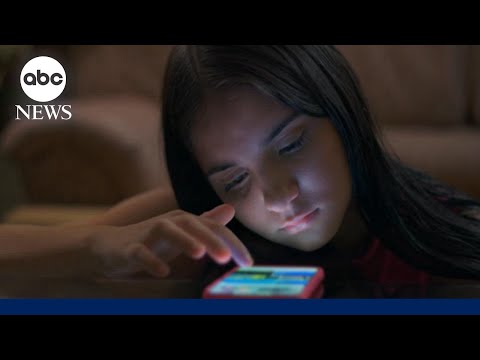
You ever scroll through your feed and feel that knot in your stomach? Yeah, me too.
Social media can be a total rollercoaster. One moment you’re laughing at funny cat videos, and the next, you’re comparing yourself to that influencer with the perfect life.
It’s kinda wild how something designed to connect us can leave us feeling so alone and anxious. You’re not the only one feeling this way.
Let’s chat about social media anxiety and how it messes with our heads. It’s time to unpack all those emotions together!
The Dark Side of Social Media: Understanding Its Negative Impact on Mental Health
It’s hard to deny how social media has become, like, a massive part of our lives, right? You see it everywhere—people scrolling through their feeds, sharing moments, and staying connected. But here’s the thing: while it can be super fun and helpful, it also has this dark side that can really mess with your mental health.
Social media anxiety is becoming more common, and it’s not just about feeling a little stressed. It’s this deep-rooted pressure to present a perfect life while constantly comparing yourself to others. You find yourself scrolling through Instagram, seeing those picture-perfect vacations or flawless bodies. And then you think—why doesn’t my life look like that? It’s not uncommon to end up feeling inadequate or like you’re missing out.
- Comparison culture: Constantly seeing others’ highlight reels can lead you to feel less than. It’s easy to forget that everyone has their struggles.
- Fear of missing out (FOMO): Social media often makes you feel like there are fun events happening without you. It creates this nagging feeling of being left out.
- Online bullying: This is still a problem, even in today’s world of connection. Negative comments and harassment online can lead to anxiety and low self-esteem.
- Addiction-like behaviors: The notifications and the constant need for likes can turn into an unhealthy obsession that affects your daily life and relationships.
I remember a friend who got so caught up in social media that she started avoiding real-life interactions because she felt bad about herself compared to her online peers. Seriously, it was tough watching her spiral into isolation just because she felt she had to live up to some unrealistic standard.
Then there’s the whole issue of sleep disruption. Scrolling through feeds late at night? Not great for your shut-eye! Studies show that blue light from screens messes with your melatonin levels, leading you to toss and turn instead of getting quality rest.
There’s also the risk of developing depression or anxiety disorders as a result of prolonged exposure to these platforms. Especially if you’re already struggling with mental health issues—it’s like throwing gasoline on a fire. Engaging more in social media often leads you deeper into those negative feelings rather than helping you escape them.
But hey, it’s not all doom and gloom! Setting boundaries can really help manage the effects of social media on your mental health. Taking breaks or curating what shows up on your feed might be exactly what you need.
So yeah, understanding this dark side is crucial for maintaining good mental health in such an interconnected world. Remembering that what we see online isn’t always reality can go a long way in keeping ourselves emotionally balanced as we navigate these digital spaces.
Exploring the Impact of Social Media on Mental Health: Insights and Implications
Social media is like this double-edged sword. On one hand, it connects you with friends and family; on the other, it can seriously mess with your head. Like, have you ever gotten lost in scrolling through someone’s perfect vacation photos? You might start feeling a twinge of envy or anxiety, right? That’s social media anxiety kicking in.
Social media can amplify feelings of inadequacy. When everyone seems to be living their best life, it’s easy to feel like you’re falling behind. You think, “Why am I not that happy?” It’s almost like a constant comparison game. People post highlight reels and forget to share the messy bits. This can make you feel isolated in your struggles.
Another thing is the pressure to stay connected. Social media is all about “likes” and comments. These little digital validations might make you crave attention even more. And when those likes don’t come flooding in? It’s a punch to the gut. For some folks, this leads to anxiety or depression because they link their self-worth to online validation.
Then there’s the whole aspect of cyberbullying. It’s brutal out there! Hiding behind a screen gives some people the courage to say things they’d never say face-to-face. These negative interactions can leave deep emotional scars and contribute significantly to issues like anxiety and low self-esteem.
Also, have you noticed how social media affects your sleep? The blue light from screens messes with your melatonin production—yep, that hormone that helps regulate sleep! You find yourself scrolling late at night instead of catching those Z’s. Less sleep equals more anxiety and stress during the day; it’s like a vicious cycle.
But it isn’t all doom and gloom! Social media can also foster support networks. Many people find communities for mental health awareness or connect with others who share similar struggles—like fighting anxiety or dealing with depression. Sometimes just knowing you’re not alone can be incredibly comforting.
Furthermore, sharing experiences on social media might help normalize mental health conversations. When influencers or regular folks talk openly about their battles with mental health issues, it encourages others to do the same—breaking down stigma one post at a time.
In short, social media has mixed effects on mental health—like anything else in life. It offers both connection and disconnection; it cultivates community while also breeding isolation. So what do you do? Being mindful of your usage is key; try limiting time spent online or curating your feed so it brings positivity instead of negativity into your life.
Be aware that if social media leaves you feeling anxious or unhappy too often, it might be worth taking a break or talking to someone about it—a friend or even a professional could help sort through those feelings!
Downloadable Research Paper: Exploring the Impact of Social Media on Mental Health
Social media has definitely changed the way we connect with each other, but it’s also bringing a whole new set of challenges. If you’ve spent any time scrolling through your feed, you might’ve noticed that sometimes it can feel overwhelming. You’re not alone in that feeling. The truth is, there’s a growing concern about how social media affects mental health, especially with something called social media anxiety.
Social Media Anxiety can pop up in different ways. You might find yourself constantly checking for likes or comments on your posts, feeling pressured to keep up appearances, or even getting anxious about missing out on what everyone else is doing. This anxiety could stem from wanting to fit in or worrying that you’re not as interesting as others online.
Some studies have shown a clear link between heavy social media use and negative mental health outcomes. For instance, young adults who spend more than three hours daily on platforms like Instagram or Snapchat may report feelings of depression or anxiety more frequently than those who don’t binge-scroll quite so much.
According to research, here are some key points about the impact of social media on mental health:
- Comparison Culture: Constantly comparing yourself to others can lead to feelings of inadequacy.
- Curation Pressure: The need to present a perfect image can be exhausting and often unrealistic.
- Online Harassment: Negative comments or bullying online can seriously affect self-esteem and emotional well-being.
- Addictive Behaviors: Scrolling endlessly can take away from real-life connections, which might worsen feelings of loneliness.
Let’s think about it this way; imagine sitting at a coffee shop where everyone seems happy and successful while you’re feeling down. Often when people share snippets of their lives online, only the highlight reels get posted—nobody wants to show their messes. This curated perfection can lead you to feel like you’re missing out or not measuring up.
Also, consider how easy it is for miscommunication to happen online. Tone doesn’t always translate well through text! This might lead you to misunderstand someone’s intention behind a message or post—which can trigger stress or sadness over nothing really!
But not everything about social media is bad news—engagement with supportive communities can improve well-being too! Finding groups that resonate with your struggles (like mental health forums) offers connection and validation that we all need sometimes.
In summary here: while social media has its perks—connecting with people across the globe—it also carries risks for mental well-being if not used mindfully. Keeping an eye on how content makes you feel is super important! If stuff starts feeling heavy or negative, maybe it’s time for a little digital detox.
You know, social media has become such a huge part of our lives it’s almost like you can’t escape it. I mean, think about it. You’re scrolling through your feed, and it’s all those perfect moments from friends, influencers, and celebrities. But here’s the thing: this constant comparison can really mess with your head.
I remember a time when I was feeling pretty low after seeing a bunch of my friends hanging out without me. They looked like they were having the time of their lives—so happy and carefree. Meanwhile, I was sitting on my couch in sweatpants, feeling pretty sorry for myself. It’s wild how just a few pictures can pull you down like that.
What happens is that we start to feel this pressure to keep up. You post something amazing to show everyone you’re doing well; then suddenly you’re refreshing your notifications every five minutes, hoping for likes and comments. That rush of dopamine feels great for a second but then turns into this anxious cycle. You find yourself thinking: “Was that post good enough? Am I getting enough engagement?” It’s exhausting!
And it’s not just about feeling left out or not measuring up; there’s also this fear of missing out (FOMO) that lurks around every corner on social media. You might see events happening or invitations flying around that you weren’t part of—and bam! There goes your self-esteem again.
Plus, let’s not forget the trolls! You post something really personal or maybe even vulnerable, and someone feels the need to tear you down in the comments. That can sting way more than you’d expect.
But here’s where it gets trickier: all this anxiety can spill over into real life too. The stress from social media starts affecting how you interact with people face-to-face. You might feel more anxious in social situations because you’re worried about being judged—or worse yet, being compared to others based on what they see online.
So yeah, while social media has its perks—like connecting with people around the world or finding useful info—it also brings some baggage along for the ride. Taking breaks from social media and focusing on real-life connections could be one way to ease some of that anxiety. Anyway, I think it’s crucial for all of us to be mindful about how we use these platforms and really check in with ourselves about how they’re affecting our mental health.