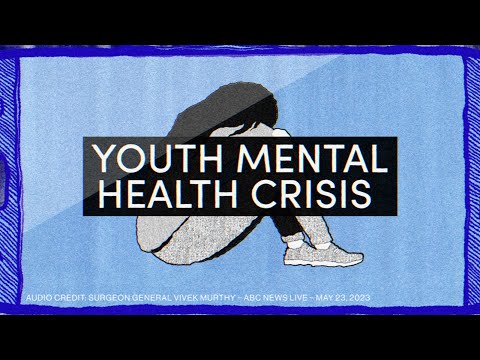
Hey! So, you know how we all scroll through our feeds, just mindlessly liking pictures and watching videos? Well, it’s not all fun and games. Seriously.
There’s a whole side to social media that kinda messes with our heads. Like, ever felt anxious or down after checking your Instagram? You’re not alone in this.
People are starting to realize that those cute dog videos or perfect vacation pics might come with some hidden baggage. It can sneak up on you, right?
Let’s chat about how the digital world can sometimes take a toll on our mental well-being. Spoiler alert: it’s not just about cat memes!
Exploring the Negative Impact of Social Media on Mental Health: Key Insights and Effects
Social media, you know, has become such a huge part of our lives. Like, every day, millions of people scroll through their feeds filled with images and updates. But here’s the thing: while it can be fun and connect us, it can also have some serious downsides for our mental health. It’s like, there’s a shadow lurking behind the likes and shares.
First off, let’s talk about comparison culture. It’s super easy to fall into the trap of comparing your life to those perfectly curated posts. You see someone vacationing in Bali or flaunting their success, and suddenly you feel inadequate. It’s intense! That constant need to measure up can lead to feelings of low self-esteem and anxiety.
Then there’s the issue of cyberbullying. Seriously, this is a real concern. People can hide behind screens and say some nasty things they probably wouldn’t dare say in person. Make no mistake: it hurts. Those negative comments can dig deep and leave lasting emotional scars.
Don’t forget about how social media affects sleep. A lot of folks find themselves scrolling late into the night. Your brain gets all wired up from the blue light of screens and the endless stream of information. When you don’t get enough sleep, your mood can totally tank—it can feel like waking up on the wrong side of a dark cloud.
Another biggie is how social media can lead to isolation, even if you’re connected online. It sounds backwards but hear me out: scrolling through feeds doesn’t replace real-life interactions. You might find yourself spending more time online and less time hanging out with friends or family in person, which is key for mental well-being.
And let’s not overlook FOMO, or fear of missing out! You scroll through posts about events you weren’t invited to or parties happening right down the street—it’s maddening! This feeling can spiral quickly into anxiety as you worry that everyone else is having fun without you.
It might surprise some people but social media usage has been linked to an increase in depression. Studies have shown that heavy use can contribute to feelings of sadness and dissatisfaction with life—especially among young people who are more vulnerable.
So what? Well, if you’re struggling with these issues because of social media, it might be good to take a break now and then. Maybe try setting some boundaries—like limiting screen time before bed or curating your feed so that it brings joy instead of negativity.
In short, while social media has its perks—like connecting with old friends or sharing creative works—the hidden dangers are real. If you’re feeling overwhelmed by it all—even just a little—it’s totally okay to step back and focus on your mental health first!
The Influence of Social Media on Mental Health: Understanding the Effects and Solutions
Social media really changed the way we connect, but it’s not all sunshine and rainbows. Seriously, it’s like a double-edged sword. On one side, it helps us stay in touch with friends and family, share experiences, and find communities. But on the other side? Well, it can mess with our heads big time.
Comparison is one major issue. Think about scrolling through that perfect feed. You see friends’ vacations, fancy dinners, or gorgeous selfies. It’s easy to start feeling like you’re missing out or not good enough compared to what everyone else seems to be living. The thing is, most of those posts show only the highlight reel of life—everyone’s struggles usually stay behind the scenes.
Then there’s the whole anxiety piece. When you post something online, there’s often this pressure to get likes or comments. What if you don’t get enough? It feels like you’re on this endless hamster wheel of validation-seeking. You want to feel liked and valued, but sometimes it all backfires and makes you feel worse.
A lot of folks also battle with depression because of social media use. Studies even show that heavy social media users report higher levels of depression than those who limit their screen time. You know how some days you can just feel overwhelmed by all the negativity or constant bad news? That can weigh heavily on your mental well-being.
Another thing worth mentioning is cyberbullying. It’s like bullying has moved from schoolyards to digital platforms—and that can be super toxic! People can hide behind screens and say mean things without facing real consequences; this creates a hostile environment for many users.
Now let’s not forget about addiction. You might think you’re just checking your phone for a sec, but next thing you know it’s been hours! This compulsive behavior can lead to feelings of isolation and loneliness because you’re glued to a screen instead of engaging in real-life interactions.
But hey, there are ways to navigate this jungle. Here are some solutions to consider:
- Mindful usage: Set specific times for social media use instead of aimlessly scrolling.
- Curate your feed: Follow accounts that promote positivity; unfollow those that make you feel bad.
- Tune out negativity: Use tools available on platforms to filter out hurtful comments or block users who bring down your vibe.
- Pursue offline hobbies: Find activities outside social media that make you happy—whether that’s hiking, painting, or baking!
- Talk about it: If social media gets overwhelming, don’t hesitate to chat with someone about how you’re feeling.
At the end of the day, social media doesn’t need to rule how we feel about ourselves or our lives. It’s all about finding balance and keeping perspective—you know? Sure, scroll away sometimes! Just remember: life happens off-screen too!
Exploring the Impact of Social Media on Mental Health: Download Our Comprehensive Research Paper PDF
Social media is like this double-edged sword. On one side, it connects us, lets you share moments, and can even be a source of support. But on the flip side, there are some pretty serious hidden dangers to mental well-being. Let’s dig into that a bit!
First off, social comparison is huge. You’re scrolling through your feed and bam! There’s your friend vacationing on a beach while you’re stuck at work. It can make you feel like your life doesn’t measure up, which can lead to feelings of inadequacy or low self-esteem.
Then there’s the issue of FOMO—fear of missing out. You see everyone hanging out without you, and it’s almost like a punch to the gut. This feeling can really crank up anxiety levels and lead to unnecessary stress.
Another thing to keep in mind is cyberbullying. Seriously, it happens way too often online. A harsh comment or mean message can stick with someone for ages. It’s not just words; it affects how people view themselves and their mental health.
Addiction is another point. Yep, people often find themselves mindlessly scrolling for hours! It can take away from real-life interactions or activities that would normally make them happy. You know the feeling—you sit down for “just five minutes” and suddenly it’s been two hours!
Don’t forget about misinformation. When you’re getting advice on mental health from random influencers instead of professionals? That can be really dangerous. People might follow advice that doesn’t help them or worse—makes things worse.
But here’s something important: social media isn’t all bad. It has its perks too! Like finding communities for support or learning helpful coping strategies from others who get it.
At the end of the day, it’s all about balance.
So yeah, social media impacts our mental well-being in many ways. It’s essential to recognize both sides—the good and the bad—and figure out how to navigate this vast digital landscape smartly!
You know, scrolling through social media can be a real mixed bag. One minute you’re laughing at cat videos or connecting with friends, and the next you’re hit with feelings of inadequacy or anxiety. It’s wild how something meant to bring us together can sometimes make us feel so alone and overwhelmed.
Take this friend of mine, Sarah. She’s super active on Instagram, always posting these gorgeous photos from her travels or workouts. On the surface, it looks like she’s living the dream. But behind that perfect feed? She often tells me how she feels this pressure to keep up appearances. It’s like every post has to be curated and flawless, which can totally mess with your head after a while. You start comparing yourself and think, “Why can’t I have that life?” It’s exhausting!
And then there’s the whole issue of validation through likes and comments. I mean, who doesn’t get a little rush when you see those hearts popping up? But if you don’t get as many as you expected? That sting can hit hard. Suddenly, your worth feels tied to digital numbers—yikes! It’s easy to lose perspective when you’re caught up in that cycle.
Also, I can’t help but notice how social media tends to amplify negative news or toxic interactions. One scroll through your feed might land you on a heated argument or some dark news about the world. That stuff can linger in your mind for days! And let’s not even talk about FOMO—the fear of missing out—which seems like everyone is experiencing all the time.
So basically, while social media has its perks—like staying connected and finding communities—it definitely comes with some hidden dangers that can weigh heavy on our mental well-being. Sometimes it’s good to take a step back, breathe, and remember that behind those perfect posts are real people with ups and downs just like us. Finding balance is key!