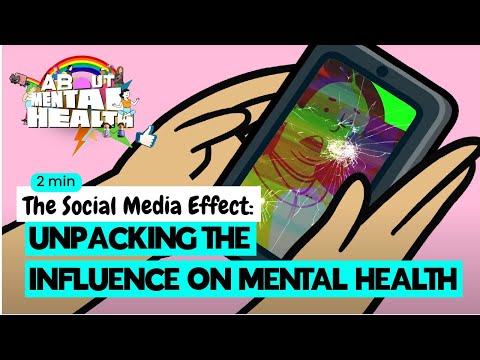
So, social media, huh? It’s everywhere! You can’t escape it. We scroll through TikTok, Instagram, and Twitter every day, right?
But have you ever thought about how all those posts and stories shape how we see ourselves? Like, it’s wild to think that a few likes or comments can totally mess with our heads.
Remember when that influencer posted about their mental health struggles? It got everyone talking! Some felt understood; others felt pressure to be perfect.
It’s a double-edged sword—connecting us and isolating us at the same time. So let’s chat about the good, the bad, and everything in between with social media and mental health. What do you say?
Exploring the Effects of Social Media on Mental Health: Insights and Strategies for Well-Being
Social media can be a double-edged sword, you know? On one hand, it’s this amazing tool that connects us with friends and family. But on the other hand, it can seriously mess with our mental health. The thing is, how we interact with these platforms often shapes our emotional well-being. Let’s break down what happens when we scroll through feeds and get a little insight into how to maintain a healthy relationship with social media.
First off, let’s talk about comparison. It’s super easy to fall into the trap of comparing your life to the highlight reels everyone else posts. You might see your friend living their best life on vacation while you’re just trying to get through the week. This kind of constant comparison can lead to feelings of inadequacy or low self-esteem. Seriously, I had a buddy who would scroll for hours feeling worse about himself each time he looked at his phone.
Another major issue is cyberbullying. Yep, it’s real and it can hurt just as much—if not more—than bullying in person. When someone gets nasty online, it can stick with you for ages. That relentless negativity? It chips away at your mental health over time.
Then there’s the whole aspect of addiction. Social media is designed to keep us hooked. Notifications pop up like crazy to grab your attention; before you know it, hours have slipped by! This constant connection may seem fine at first, but too much screen time can lead to anxiety and depression. A friend once admitted they were spending so much time online that they felt out of touch with reality!
You’ve probably heard about the impact of sleeplessness, too. Scrolling late at night might seem harmless, but blue light from screens messes up melatonin production, making it harder to sleep well—definitely not great for your mental health.
So what can you do? Here are some strategies:
- Limit screen time: Set specific times during the day when you’re allowed to check social media.
- Curate your feed: Follow accounts that inspire positivity and unfollow those that bring negativity.
- Engage mindfully: Pay attention to how social media makes you feel and take breaks if needed.
- Reconnect offline: Spend more time face-to-face with friends or family rather than through a screen; that connection matters.
Overall, social media isn’t going anywhere anytime soon; it’s part of our lives now. Just remember: being mindful about how you engage with it can really make a difference in keeping your mental health in check!
Exploring the Impact of Social Media on Mental Health: Research Paper PDF Download
Social media has, like, totally changed the way we connect with each other. It’s wild to think how something like Instagram or TikTok can shape our views on everything, including mental health. So, what’s the deal with social media and its impact on mental health? Let’s break it down a bit.
Positive Effects
First off, let’s talk about the good stuff. Social media can be a real lifeline for many people. It allows you to connect with others who get what you’re going through. For instance:
- Support Groups: You know those Facebook groups where people share their experiences? They can help folks feel less alone.
- Access to Information: Want to know more about anxiety or depression? A quick scroll might lead you to articles or videos that explain it in simple terms.
- Awareness: Social media has contributed to breaking down stigma around mental health issues. People are more open about their struggles!
These things can foster a sense of community, which is super important when dealing with mental challenges.
Negative Effects
But hold on—there’s also a flip side. Social media can have some pretty serious downsides for mental well-being. Comparisons and unrealistic standards sneak in, and that can mess with your head. Think about it:
- Comparison Trap: Scrolling through perfectly curated lives can make anyone feel inadequate. “Why don’t I look like that?” is a common thought.
- Cyberbullying: Unfortunately, not everyone plays nice online. Harassment and negativity can take a toll on your self-esteem.
- FOMO (Fear of Missing Out): Seeing friends hang out without you? Yeah, that’ll spark feelings of loneliness faster than you can say “scroll.”
All these factors contribute to anxiety and depression for many users.
The Research Side
Research backs up what we’re seeing too. Studies indicate that heavy social media use is linked to increased feelings of isolation and anxiety—especially among teens and young adults. These findings suggest a complicated relationship between online interactions and mental health.
For example, while some platforms promote connection, they might also lead users down a path of comparison or envy.
A Balancing Act
It’s clear there’s no one-size-fits-all answer here. Like anything else in life, moderation is key when it comes to social media use. You might want to check in with yourself regularly—how do you feel after scrolling through your feed?
Are you feeling uplifted or drained? Maybe it’s time for a digital detox if you notice negative vibes creeping in.
Think about limiting exposure during tough times or curating your feed so it only includes positive influences.
In short, social media isn’t inherently good or bad; it really depends on how you approach it and the context surrounding its use. So keep it real out there!
The Impact of Social Media on Adolescent Mental Health: Key Insights and Findings (PDF)
Social media is like a double-edged sword for young people today. It can be a space for connection and creativity, but it also carries some heavy challenges that can affect mental health. Let’s break it down, shall we?
First off, the sheer amount of time adolescents spend on social media is staggering. Research shows that many teens are spending over three hours a day scrolling through their feeds. Imagine that! With so much time online, it’s no surprise that platforms like Instagram, TikTok, and Snapchat influence feelings of self-worth and anxiety.
One major point to consider is how social media fuels comparisons. When you’re constantly seeing everyone else’s highlight reels—like their amazing vacations or perfect bodies—it’s easy to feel like you don’t measure up. You know that feeling when you see someone’s vacation pics while you’re just chilling at home? Yeah, that can hit hard.
Many teens feel they have to curate their posts carefully, which can lead to anxiety when they don’t get enough likes or comments. It’s like being on stage all the time! If someone doesn’t get the engagement they hoped for, it can seriously impact their mood.
It happens way too often online and can leave kids feeling isolated and depressed. When hurtful comments come from peers who are supposed to be friends, it cuts deep. Reports show that victims of cyberbullying are more likely to experience depression and anxiety than those who aren’t targeted.
On the flip side, social media also has positive aspects. For instance, it can help connect teens with supportive communities where they share experiences related to mental health issues. Finding others who understand what you’re going through? That’s pretty powerful! Sometimes seeing those authentic stories helps reduce stigma around seeking help.
In terms of mental health education, platforms are increasingly being used to raise awareness about issues like anxiety and depression. But here’s the kicker: while some information is super helpful, not everything online is credible or researched well.
Encouraging balanced use is key. Setting limits on screen time might not just help reduce unnecessary stress but also improve real-life connections.
To sum up all this social media chatter: it shapes our perceptions in both good and bad ways. By understanding its impact on adolescent mental health—whether it’s fueling comparisons or offering support—we can start having important conversations about how teens navigate these digital spaces daily. So let’s keep talking!
So, let’s talk about social media and how it messes with our heads—like, in both good and bad ways. You know, I remember a time when I was scrolling through Instagram feeling totally fine. But then I saw these perfect photos of people living their lives, and suddenly, I started doubting my own reality. It’s like one minute you’re chillin’, and the next you’re thinking—am I doing enough with my life?
Social media is kinda like a double-edged sword. On one hand, it can be pretty cool. You get to connect with friends, find support groups, or even stumble upon content that raises awareness about mental health issues you didn’t even know existed. Like those heartfelt posts that remind you it’s okay not to be okay—they can feel like a warm hug sometimes.
But then there’s the downside. The constant comparison game can seriously warp your view of yourself. You start thinking everyone else is living the dream while you’re just…well, you! There’s also the whole thing with filters and highlight reels; they don’t show the messy stuff we all deal with every day behind the scenes. At times it feels like you’re looking at a fantasy land instead of real life.
And let’s not forget about trolling and negativity—it gets to you after a while. Reading harsh comments or seeing others being bullied can spiral into anxiety or depression pretty quick if you’re not careful. I mean, what’s up with that?
In reality, it’s super important to take breaks from all that noise sometimes. Seriously! Just stepping away for a bit can help clear your mind so you can come back refreshed—like taking a breather for your brain.
Ultimately, it’s all about how we use social media as part of our lives—not letting it dictate how we feel about ourselves or others. It takes some practice; you really gotta pay attention to how certain posts or interactions affect your mood and thoughts.
So yeah, social media has its pros and cons when it comes to mental health perspectives—it’s just up to us to navigate through it without losing ourselves along the way!