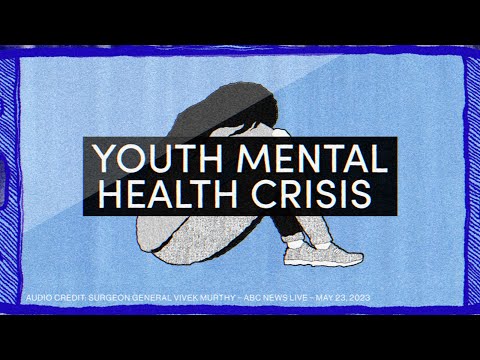
You know, social media is everywhere these days. It’s like a part of everyday life. Especially for teens.
But, the thing is, it’s not all sunshine and rainbows. Sometimes, it can really mess with their heads.
Like that friend who scrolls through TikTok for hours—sure, it seems fun, but what happens when those likes turn into anxiety?
It’s a mix of connection and isolation. Kind of a wild ride when you think about it.
So let’s chat about how social media shapes the mental health landscape for teenagers. Trust me; it’s worth exploring!
Exploring the Effects of Social Media on Teenage Mental Health: Key Findings and Insights
Social media is super present in our lives, especially for teenagers. It’s like, everywhere you look! While it can be a fun way to connect with friends and express yourself, it’s also got some serious effects on mental health that we can’t ignore.
First off, **let’s talk about anxiety**. Many teens feel pressure to maintain an online image. You know that feeling when you post something and wait for likes? Pretty nerve-wracking! This pressure can lead to anxiety about how others perceive them. When you’re constantly comparing yourself to those seemingly perfect lives on Instagram or TikTok, it’s easy to feel like you’re falling short.
Another biggie is **depression**. Studies have linked heavy social media use with increased feelings of loneliness and sadness. Picture this: You’re scrolling through a friend’s feed filled with amazing vacations and perfect moments. It’s hard not to think, «Why isn’t my life like that?» That thought process can really weigh on a person’s mood.
Then there’s the topic of **bullying**. Online bullying is unfortunately common. Teens may find themselves targeted by nasty comments or rumors spread through social media platforms. It feels relentless because there’s no escaping it—bullying can follow them everywhere, even into their homes.
Social comparison isn’t just limited to bad vibes either; it can get tricky in a few other ways too! Teens often share only the highlights of their lives online, which creates this unrealistic expectation about what life should be like. This leads to a cycle where they feel inadequate if they don’t measure up, and that can spiral into deeper issues over time.
And let’s not forget about **sleep deprivation**! Late-night scrolling has become a thing for many teens. The blue light from devices messes with their sleep cycles, leaving them feeling tired and moody the next day—it’s like a vicious cycle!
But hey, it’s not all doom and gloom! Some studies show that social media can have positive effects as well. For instance, it offers a platform for teens to find support groups and connect with peers who share similar struggles. This sense of community can help combat feelings of isolation or depression.
So basically, while social media can help forge connections and build communities among teens—it’s crucial to strike that balance. Open conversations about its use are essential. Parents should engage with their kids about how they interact online—setting boundaries or encouraging breaks from screens might just help them navigate these challenges more effectively.
In essence, the impact of social media on teenage mental health is complex—it has its upsides but also some serious downsides too! Awareness is key; understanding how it affects you or someone you care about is half the battle won in maintaining better mental health as you scroll through life online.
Exploring the Effects of Social Media on Adolescent Mental Health: A Comprehensive PDF Guide
Social media is like this huge rollercoaster that teenagers ride every day. It’s super thrilling but can also be terrifying. When we think about adolescent mental health, the role of social media can’t be ignored. It’s important to understand how these platforms impact young people’s feelings and thoughts.
First off, let’s touch on the good stuff. Social media can connect teens with their friends, especially during those times when they’re feeling isolated. You know how it feels to text a friend late at night? It can make you feel like you’re not alone in the world. But then there’s the other side that might dampen that fun.
Comparison culture is a biggie. Teens scroll through pictures of others living what seems like perfect lives—trips, outfits, friendships—and it’s easy to start feeling inadequate. A study found that higher social media use often aligns with feelings of low self-esteem and increased body image concerns among teens. Imagine seeing those polished images while you’re just trying to figure out your own style; it can be tough.
Another thing is cyberbullying. It’s like bullying but through screens, and sadly, it can happen anywhere and anytime. The anonymity of the internet gives some people permission to say nasty things they wouldn’t dare say face-to-face. Victims often feel trapped because they can’t just «leave» school like they used to; the bullying follows them home via their phones or computers.
FOMO, or Fear of Missing Out, is another tricky aspect of social media for teens. They see parties or hangouts they weren’t invited to and feel left out, which affects their mood and overall mental well-being. That constant worry about not being included can lead to anxiety and depression over time.
But it’s not all doom and gloom! Some platforms are taking steps toward promoting mental health awareness among users. For instance, many have started featuring resources for mental health support in response to negative trends they’ve noticed in user behavior.
Ultimately, understanding social media’s effects on adolescent mental health requires a balanced view—it has its perks but also significant drawbacks you have to consider carefully:
- Connection: Helps build relationships.
- Comparison culture: Can hurt self-esteem.
- Cyberbullying: Increases emotional distress.
- The FOMO effect: Leads to anxiety over exclusion.
Navigating this digital landscape isn’t easy for teens—or parents trying to help them! Conversations about social media use should be open and ongoing because understanding these impacts can make a real difference in managing mental health during those formative years.
The Impact of Social Media on Teenagers’ Mental Health: Understanding the Connection
Social media is like a double-edged sword for teenagers, you know? On one hand, it can help them connect with friends and express themselves. On the other hand, it can really mess with their mental health in some serious ways. Let’s break down this connection.
First off, note that **the constant exposure to curated images and lifestyles** can create unrealistic expectations. Seriously, scrolling through feeds full of perfect selfies and dream vacations can lead to feelings of inadequacy. You might find yourself thinking, «Why isn’t my life like that?» It’s exhausting!
Also, consider how **social comparison** plays into this. Teens often compare their own lives to what they see online. If they feel like they’re falling short, it can trigger anxiety or depression. Like a friend of mine once said after scrolling for hours: “I was just fine until I saw all those beach pics! Now I’m bummed.”
And let’s talk about **cyberbullying**. Unlike back in the day when bullying happened face-to-face, now it can follow kids everywhere through their phones. A single mean comment or post can feel massive when you’re young and still trying to figure out who you are. The emotional weight is real.
Another point to mention is the **addictive quality of social media**. It’s designed to keep you glued to your screen—likes, notifications—you name it! This can lead to less face-to-face interactions and more feelings of isolation. Ever notice how easy it is to lose track of time on TikTok? Yeah, I’ve been there too.
Then there’s the whole sleep issue. Using social media late at night disrupts sleep patterns because that blue light from screens signals our brains that it’s still daytime! Cool content at 2 AM might seem fun until you realize you’re dragging in school the next day.
It’s not all doom and gloom though! Some teens use social media positively by finding communities around shared interests or mental health support groups. But the risk is definitely there when used excessively without balance.
So yeah, understanding these connections helps us see why it’s so important for parents and teens alike to talk openly about social media use and its impact on mental health—like having a buddy check-in now and then.
Overall, while social media has some benefits for teenagers’ social skills and connections, it comes with serious consequences if not navigated thoughtfully:
- Unrealistic expectations from curated lifestyles
- Increased feelings of inadequacy through social comparison
- Greater exposure to cyberbullying
- Addictive features leading to isolation
- Disrupted sleep patterns from late-night use
Essentially, moderation is key here! Keeping communication open about experiences on these platforms makes a huge difference in managing any potential impacts on mental well-being.
You know, social media is like this double-edged sword for teenagers. On one side, it connects them with friends and allows them to express themselves. But on the flip side, it can be a breeding ground for anxiety and comparison. I remember my younger cousin just scrolling through her feed one night, looking more and more bummed out as she compared herself to those seemingly perfect Instagram lives. It was tough to watch.
The thing is, it’s pretty easy to fall down that rabbit hole. Teenagers see their peers posting all the fun stuff—the parties, the glam photos—and they can easily feel like they’re missing out. FOMO can kick in big time! And it’s not just about feeling left out; it’s often tied to self-esteem issues too. A study recently pointed out how constant exposure to curated lives can lead to feelings of inadequacy and depression among teens.
But here’s the kicker: social media isn’t all bad. It can also create a support system where teens share their struggles or find communities that resonate with their experiences. I’ve seen how some hashtags bring together individuals dealing with similar issues, helping them feel less isolated.
Of course, there’s also the dark side of things like cyberbullying, which has become way too common nowadays. Imagine being slammed by someone online—that kind of negativity can seriously mess with a young person’s head!
So yeah, social media plays a huge role in shaping how teenagers view themselves and their place in the world. It’s important for them (and us) to remember that what you see online is just a slice of reality—often it’s filtered or edited to look more appealing than life really is. Balancing real life with online presence? That’s key!