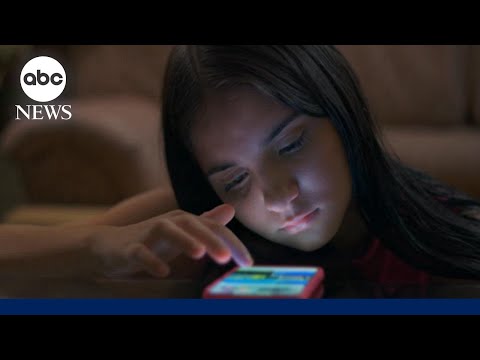
So, social media, right? It’s like this double-edged sword. One minute you’re scrolling through cute cat videos, and the next, you’re in a rabbit hole of envy and self-doubt. Seriously, it can be overwhelming.
You might think it’s just harmless fun. But the truth is, it can take a toll on how we feel about ourselves and our lives. Ever noticed how you feel after a long scroll? Sometimes it’s great; other times? Not so much.
Maybe you’ve had days when you felt totally left out or not good enough after seeing everyone else’s highlight reels. Yeah, I’ve been there too. It can mess with your head more than you’d expect.
So let’s chat about what this all means for our mental health. Like, what do we really gain from those likes and follows? And what do we lose in the process? Let’s dig into that!
Exploring the Negative Impact of Social Media on Mental Health: Key Insights and Findings
Social media has really changed the way we communicate and connect, but it’s a double-edged sword. Yeah, it can keep you in touch with friends, share fun moments, and find communities. But let’s be real; there are some pretty serious downsides to it when it comes to mental health.
Comparison Trap
One of the biggest issues with social media is the constant comparison. You scroll through your feed and see all these perfect lives, perfect bodies, perfect everything. It can make you feel like you’re falling short or missing out. Like, have you ever looked at someone else’s vacation photos and thought your life was somehow less?
FOMO (Fear of Missing Out)
This one’s a classic. You see your friends hanging out without you or attending events that look super fun. That creeping feeling that you’re not part of something fun is real and can lead to anxiety or sadness. It makes sense why so many people report feeling left out after scrolling through their feeds.
Cyberbullying
The anonymity that social media provides can turn people into bullies—seriously! People might say things online they’d never say in person. This kind of behavior can really damage someone’s self-esteem and lead to feelings of isolation or depression.
Sleep Disruption
Scrolling late at night? Yeah, that’s a killer for quality sleep. Blue light from screens can mess with your circadian rhythm, making it hard to fall asleep. And if you’re lying awake worrying about what someone posted or how many likes you got? That’s a recipe for exhaustion.
Addictive Nature
Social media is designed to keep us hooked—likes, shares, comments… all those little notifications give your brain a dopamine hit. Over time, this can lead to compulsive use where just logging off feels impossible. It’s kind of like being on a rollercoaster that just won’t end!
Exacerbation of Mental Health Issues
If you’re already dealing with anxiety or depression, social media can amplify those feelings. For example, seeing posts about someone overcoming their struggles might inspire some people but could leave others feeling inadequate if they’re still trying to cope themselves.
Lack of In-Person Interaction
While social media connects us virtually, it often replaces real-life interactions which are crucial for mental well-being. A text can’t really replace the warmth of laughter shared over coffee with a friend.
In essence (that sounds fancy!), while social media definitely has its perks—like staying connected—it also brings along a whole lotta baggage that isn’t great for our minds. Striking a balance between online presence and real-life interactions is key to keeping your mental health in check! So maybe take regular breaks from scrolling; go hang out with friends instead!
Exploring the Effects of Social Media on Mental Health: Insights from Recent Research
Well, social media is like a double-edged sword, isn’t it? On one hand, it connects us, letting us share experiences and keep in touch with friends. But on the other hand, it can really mess with our heads. Recent research has dug into these effects a lot, and the findings are pretty eye-opening.
Increased Anxiety and Depression
Studies have shown that heavy social media use can lead to higher levels of anxiety and depression. You know that feeling when you scroll through endless posts? Sometimes, it feels like everyone has this perfect life while you’re just…well, you. This constant comparison can make people feel inadequate. For instance, young adults often report feeling lower self-esteem after spending time on platforms like Instagram or Facebook.
Feeling Isolated
It’s ironic but true: even though we’re connected more than ever, many people feel lonelier because of social media. When you see others hanging out without you or living these amazing lives online, it can create barriers instead of bonds. According to recent surveys, a lot of users said they felt disconnected despite being “friends” with hundreds of people online.
Fear of Missing Out (FOMO)
Now let’s talk about FOMO—it’s real and seriously affects mental health. People often feel this nagging worry that they’re missing out on something exciting happening elsewhere. This can lead to compulsive checking of apps or notifications. You’ve probably done it too—checking your phone multiple times just to see what everyone else is doing!
Sleep Disruption
Here’s another angle: how does social media affect your sleep? Studies suggest that using devices late at night messes with your sleep patterns. The blue light from screens can trick your brain into thinking it’s still daytime. So instead of getting good rest, scrolling through posts can leave you tossing and turning.
Cognitive Overload
Also worth mentioning is cognitive overload—seriously! There’s so much information bombarding us daily from various platforms that keeping up can be overwhelming. This doesn’t just tire your brain; it might also lead to difficulties in focusing on everyday tasks or making decisions.
Coping Mechanisms
Despite all the negatives, some folks use social media as a coping mechanism during tough times. Sharing experiences online or finding supportive communities can help people process feelings and find solace in shared struggles. It creates a space where individuals realize they’re not alone in their battle.
To wrap things up here (I know there’s a lot!), social media’s influence on mental health is multi-faceted. While it brings connection, it’s essential for you to be aware of its potential downsides as well—whether it’s anxiety from comparisons or isolation despite having many «friends.» Finding balance is key; disconnecting when needed might be one way to protect your mental space while still enjoying the perks that come with being plugged in.
Downloadable Research Paper: The Influence of Social Media on Mental Health Insights
Social media, right? It’s like the lifeblood of our daily lives. But there’s a flip side to this coin. Research shows social media can seriously affect mental health. It’s not all likes and shares; sometimes it really takes a toll on us.
One major area to consider is how social media can contribute to feelings of anxiety and depression. You know that feeling when you scroll through your feed and see everyone having the time of their lives? It might hit you hard, making you feel like you’re missing out or not measuring up. This phenomenon even has a name: FOMO, or the «fear of missing out.» It’s real, and it can lead to feelings of inadequacy.
Also, think about how social media often promotes unrealistic standards. People post highlights—like perfect vacations or flawless selfies—almost as if they’re trying to create a fairy tale. This constant comparison can really mess with your self-esteem. It’s easy to forget that most people are showing you a filtered version of life.
- Cyberbullying is another dark side of social media that can trap users in a negative cycle. Imagine logging in only to be met with hurtful comments or messages. This kind of thing can make someone feel isolated and helpless.
- The addiction factor is another biggie—spending hours scrolling through feeds means less time for real-life connections. That lack of face-to-face interaction could lead to increased feelings of loneliness.
- You might also notice changes in sleep patterns since late-night scrolling is so tempting! Less sleep equals more irritability and anxiety during the day.
Anecdote time! Picture this: Sarah was always bubbly and active in her local community, but then she started spending hours on Instagram. She followed tons of influencers who seemed to have perfect lives. Over time, she felt increasingly disconnected from her friends and started feeling really down about herself because she never thought she could measure up to what she saw online.
The research points out that those who spend more than two hours a day on social media are likely to experience worse mental health outcomes. With all that data piling up, it becomes clear just how significant these platforms are when it comes to our emotional well-being.
If you’re feeling overwhelmed by social media, you might want consider taking breaks or limiting your time online. It could help shift your focus back onto yourself instead of constantly comparing yourself with others!
The conversation about social media isn’t over yet—it keeps evolving just like technology does. Staying aware of its influence on mental health can help you navigate these waters better. You follow me?
You know, social media is kind of a double-edged sword. On one hand, it connects us with people we might not see otherwise. I mean, how cool is it to catch up with an old friend from high school? But on the flip side, it can really mess with our heads.
I remember this time when a close friend of mine started posting a ton of pictures of her seemingly perfect life—traveling everywhere, looking fabulous at parties, you name it. At first, I felt inspired. But after a while, I started to feel kind of… inadequate? Like I was missing out or not living life to the fullest. You ever felt that way? It’s just this constant stream of curated moments that can leave you feeling less than.
And then there’s the scrolling—oh man. You sit down for what feels like five minutes and next thing you know, it’s been an hour! That endless cycle can leave you drained. Seriously, it’s like falling into a rabbit hole where you’re comparing your reality to everyone else’s highlight reel.
Plus, let’s talk about validation. Those likes and comments can feel amazing when they come in but when they don’t? Oof! It’s like a punch in the gut sometimes. You start measuring your self-worth by how many people hit that little heart button. It’s wild how much weight we put on these numbers!
The thing is, while social media has its perks—like finding communities and support—it can also exacerbate feelings of loneliness and anxiety. It creates this weird pressure to be «on» all the time. You’re not just sharing; you’re basically performing.
So yeah, it’s important to take those breaks or at least be mindful about what you’re consuming online. Your brain will thank you later for giving it some space from all that noise!