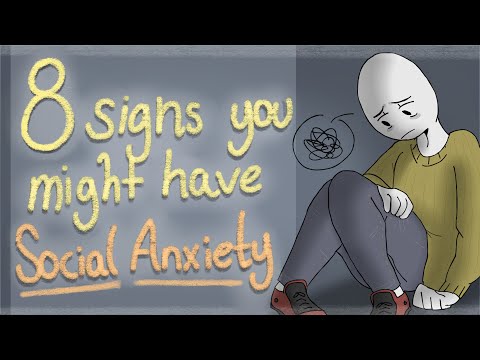
Social phobia, or social anxiety, is a thing. Like, it’s more common than you might think. You know how some people feel super nervous about talking in front of a crowd? Or even just chatting with someone new?
Well, for some, it goes beyond just nerves. It can feel overwhelming, like you’re drowning in self-doubt and worry. Imagine being at a party and feeling like all eyes are on you.
It can totally mess with your day-to-day life. So what’s up with it? Let’s break down some symptoms and figure out if this sounds familiar to you or someone you know. You’re not alone in this!
Understanding Scopophobia: Is It a Recognized Mental Illness?
So, let’s talk about scopophobia. This is a term that gets tossed around sometimes in mental health discussions, but what does it actually mean? Basically, scopophobia is the fear of being stared at. Imagine walking into a room and feeling like all eyes are on you. Yeah, that can be really tough for some people.
Now, is it a recognized mental illness? Well, it’s not officially listed as its own disorder in the Diagnostic and Statistical Manual of Mental Disorders (DSM-5), which is like the Bible for mental health professionals. But it falls under the umbrella of social anxiety disorder, which is recognized. So if you’re feeling super anxious about people watching you, it aligns with those social phobia symptoms.
People with scopophobia might experience a bunch of symptoms. These could include:
You see, it can impact daily life in big ways. Like imagine someone so anxious about giving a presentation that they can’t even speak in class or at work. It’s really limiting and can make socializing feel like climbing a mountain.
A lot of times this fear stems from past experiences. There might’ve been an embarrassing moment that stuck with someone—like tripping in front of a crowd or being teased as a kid—which then leads to constant worry about others judging them. It kind of snowballs from there.
But here’s the thing: just because scopophobia isn’t individually recognized doesn’t mean you shouldn’t take those feelings seriously. If this fear starts affecting your day-to-day life—making you skip events or avoid social gatherings—it’s important to reach out for help.
Treatment options exist! Therapy, especially cognitive-behavioral therapy (CBT), can be super effective for managing anxiety and addressing specific fears. Medications might also be an option, but that’s best discussed with a healthcare professional since everyone’s situation is different.
Ultimately, understanding how scopophobia fits into social anxiety disorder is crucial. It highlights how complex our emotions can be when we’re navigating social settings and how real these fears feel to those who experience them on any level.
So, if you or someone you know struggles with this kind of fear—know that you’re not alone and there are ways to tackle it! It takes time and effort but getting support can lead to some serious improvements in quality of life.
Understanding the Key Differences Between Social Phobia and Anxiety: A Comprehensive Guide
Social phobia and anxiety are terms that often get thrown around, but they’re not the same thing. You know, understanding these differences can be a game-changer for folks who are dealing with them.
Social Phobia, also known as social anxiety disorder, is all about fear and avoidance of social situations. It’s more than just being shy or nervous—it’s like this overwhelming worry that people will judge or embarrass you. Picture this: you’re at a party, and all you can think about is what others might be saying behind your back or if you look awkward while talking. You just want to hide, right?
On the flip side, Anxiety is a broader term. It can involve general feelings of unease or worry about everyday situations—like stressing about work deadlines or life decisions. You might feel restless or have that nagging sense of dread without really knowing why. It’s like being on edge all the time.
So let’s break down some key differences:
- Focus of Fear: Social phobia centers around interactions with others and being judged. Anxiety can involve various worries unrelated to social settings.
- Physical Symptoms: Both can cause physical reactions, like racing heart and sweating. But social phobia often triggers these during specific events—like speaking in front of people.
- Duration: Social phobia symptoms tend to stick around when you’re in social settings but may not impact your daily life otherwise. General anxiety can be constant and pervasive.
- Avoidance Behavior: People with social phobia often avoid parties, meetings, even casual conversations because they fear embarrassment. Those with anxiety might struggle in many areas but aren’t as likely to avoid social situations altogether.
To put it another way, if you had a bad experience giving a presentation in class when you were younger (totally cringe-worthy), someone with social phobia might develop intense fear about any speaking opportunity ever again! Meanwhile, someone who’s generally anxious might worry about deadlines but still show up to class, even if they’re sweating bullets.
Recognizing symptoms is key for both conditions. For social phobia, watch out for intense fears that last six months or more about performing tasks in public. If talking to new people makes your heart race more than climbing a steep roller coaster, that’s a sign.
On the other hand, general anxiety could show up as excessive worrying over various life issues—like finances or health—that interrupts your daily routine.
So basically, if your fears are focused on how others see you socially versus broader concerns about life itself—it may help to talk things over with someone who gets it; professionals can help figure out what’s going on upstairs!
Understanding these distinctions helps you figure out what you’re dealing with and how best to tackle it—whether it’s through therapy techniques like cognitive-behavioral therapy (CBT) for social phobia or mindfulness strategies for general anxiety.
Recognizing where you’re at is the first step toward feeling better!
Understanding Social Anxiety: Common Situations That Trigger Discomfort
You know, social phobia, or social anxiety disorder, is one of those things that can sneak up on you. It’s like, one minute you’re chilling at home, and the next, the thought of hanging out with people starts to freak you out. It’s not just being shy; it’s a whole different ball game.
Imagine you’ve got a friend who always seems nervous in social situations. Maybe they avoid parties or skip out on group outings because they feel like everyone’s judging them. They might sweat a lot or feel their heart racing just thinking about making small talk. That’s a classic sign of social phobia. It makes sense when you think about it: feeling scrutinized can be super uncomfortable, right?
And it goes beyond just feeling anxious before an event. Some folks with social phobia might experience real physical symptoms—like shaking or nausea—in those moments when they have to interact with others. It’s like their body is in fight-or-flight mode, and it’s tough to control.
I remember a time when I had to give a presentation in front of a room full of people—I thought my heart was going to burst right through my chest! The dread leading up to it was intense; I felt hot and shaky and all I could think about were the eyes staring at me. And once I got up there? It was such a relief when it was over—even though I knew I had prepared well!
For many, these feelings can lead to avoiding social situations altogether, which can make life pretty lonely after awhile. You start missing out on experiences that should be fun because the fear takes over.
But recognizing these symptoms is really the first step toward finding help or managing things better. Whether it’s talking to someone close or reaching out to a professional who knows their stuff about anxiety disorders, getting support can truly change things for the better. You’re not alone in this—it’s more common than you think!
So if any of this sounds familiar—sweaty palms, racing thoughts before hanging with friends—don’t hesitate to reach out for support. Getting through this is totally possible with the right tools and understanding!