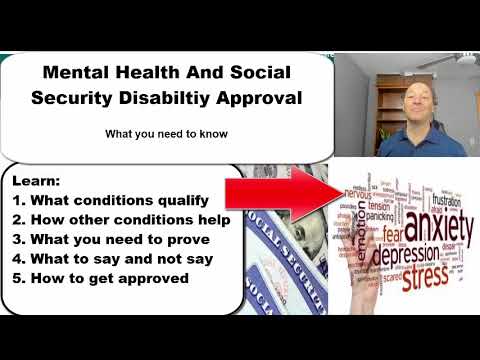
So, you’re thinking about Social Security Disability for mental health issues, huh? That can feel like a maze, right? Seriously, it’s not just filling out forms and waiting.
You’ve got to know your stuff. There are rules and regulations thrown in the mix that can trip you up. It’s like an obstacle course, but you don’t have to tackle it alone!
A lot of people go through tough times with their mental health. You’re definitely not alone in this journey. Figuring out what you qualify for can make a huge difference in your life.
Let’s break it down together. You ready?
Understanding Mental Health Conditions That Qualify for Social Security Disability Benefits
Mental health can be a tricky landscape, especially when it’s intertwined with the idea of Social Security Disability benefits. Basically, some mental health conditions can seriously impact your daily life and work ability. If that’s the case for you or someone you know, understanding what qualifies can help a lot.
To qualify for Social Security Disability Insurance (SSDI) or Supplemental Security Income (SSI), you need to show that your mental health condition is severe enough to limit your ability to function. The Social Security Administration (SSA) has specific criteria – or listings – that these conditions must meet.
Here are some of the major mental health conditions that might qualify:
- Schizophrenia: This is a serious condition that affects how you think, feel, and behave. If someone experiences hallucinations, delusions, or disorganized thinking that impacts daily functioning, they might be eligible.
- Bipolar Disorder: Characterized by extreme mood swings from highs (mania) to lows (depression), it can disrupt relationships and work life severely.
- Major Depressive Disorder: When feelings of sadness and loss of interest in activities persist for an extended period and affect one’s ability to work or engage in daily activities.
- Obsessive-Compulsive Disorder (OCD): A person dealing with this might find their obsessive thoughts and compulsive behaviors take over their lives, making everyday tasks nearly impossible.
- Anxiety Disorders: These include generalized anxiety disorder, panic disorder, and social anxiety disorder. When anxiety becomes overwhelming and stops someone from functioning normally—like going to work—there’s potential for qualification.
Now, if we get into the nitty-gritty of it all—what does “functioning” even mean? Well, the SSA looks closely at how these conditions impact your ability to do basic things like working full-time or taking care of yourself. They often need proof from doctors about your diagnosis, treatment history, and how well you’ve responded to treatments.
Imagine someone named Lisa. She’s been living with severe depression for several years. She struggles to get out of bed some days and feels so overwhelmed by tasks like grocery shopping or even showering. That impacts her ability to maintain a job. If Lisa collects detailed records from her therapist about her struggles and treatment plan—like medication adjustments or therapy sessions—it could support her claim.
It’s not just about having a diagnosis; it’s about showing how significantly it affects your life day-to-day. The SSA uses something called «residual functional capacity» (RFC). This means they assess what you physically and mentally can still do despite your mental health condition.
Lastly, be prepared: getting qualified for benefits based on mental health isn’t always straightforward. Many people face denials initially but can appeal the decision with more evidence later on. The process can feel daunting but know that you’re not alone—and there are resources out there to help guide you through it.
Understanding the ins-and-outs of Social Security Disability benefits as they relate to mental health might seem like too much at first glance. But taking it step by step—and gathering solid documentation—can make things easier in navigating this challenging journey.
Understanding the SOAR Program: A Comprehensive Guide to Social Security Support for Mental Health
The SOAR program, which stands for SSI/SSDI Outreach, Access, and Recovery, is designed to help individuals with mental health issues navigate the Social Security Administration’s (SSA) system. If you or someone you know is struggling with mental health challenges and looking for financial assistance, understanding SOAR can be a real game-changer.
First off, it’s important to know what this program does. Basically, SOAR helps individuals apply for Social Security Disability Insurance (SSDI) and Supplemental Security Income (SSI)
Imagine a woman named Sara. She struggled with severe anxiety and depression for years but couldn’t keep a steady job due to her symptoms. Through a local SOAR program, she found someone who helped her understand her options. With their assistance, she gathered all the paperwork needed and submitted her application confidently.
When applying through SOAR, you can often see quicker decisions on your case compared to the standard application process. This faster response time means less waiting around when you’re already dealing with tough circumstances.
It’s also worth mentioning that not everyone qualifies for these benefits even if they use the SOAR program. You have to meet certain criteria set forth by the SSA related to your mental health diagnosis and how it affects your ability to work.
If you think this program might be beneficial for you or someone else in need, try reaching out to local organizations that offer SOAR services. They can help guide you through everything step by step.
Understanding SSDI: What You Need to Know About One-Time Emergency Payments
When you’re navigating the world of Social Security Disability Insurance (SSDI), especially when mental health issues are involved, it can feel like a maze. Understanding one-time emergency payments is key here, and I’ll break it down for you.
So, what exactly are these emergency payments? Well, basically, they’re designed to help folks who find themselves in a tight spot financially due to their disabilities. This can cover things like rent, utilities, or even medical bills that just keep piling up.
Now let’s talk about eligibility. To qualify for SSDI payments in general, you need to show that your mental health condition significantly limits your ability to work. This often involves providing medical records and other documentation from healthcare providers. It’s crucial to be thorough here; incomplete information can delay your application or even lead to denial.
Key points about SSDI emergency payments:
- Timing is everything: These payments can be requested quickly if you’re facing an immediate crisis.
- Documentation needed: Usually requires proof of your current financial situation and the severity of your condition.
- Short-term relief: Remember, this isn’t a permanent solution. It’s more like a lifeline until you can stabilize your situation.
Here’s an example: imagine someone dealing with severe depression that prevents them from holding down a job consistently. They might’ve built up some debt during their rough patches and now face eviction. An emergency payment could buy them some time while seeking treatment options or finding alternative employment solutions.
But don’t forget the application process can be complicated! You might want to seek help from advocacy groups or legal assistance. They often have resources that can guide you through the intricacies of filling out paperwork or gathering necessary evidence.
Another thing worth mentioning is that getting approved for SSDI doesn’t guarantee these one-time payments automatically; they’re separate considerations but very much linked within the framework of support services.
In short, understanding SSDI and these emergency payments is about knowing what you’re up against and having a plan in place when things get tough financially due to mental health struggles. It’s not just about filing forms; it’s about ensuring you have what you need when life throws challenges your way. So keep fighting the good fight!
Navigating Social Security Disability for mental health issues can feel like wandering through a dense fog. I mean, seriously, it’s a challenge. You know? Not too long ago, a friend of mine, let’s call her Sam, shared her experience with this whole process. It wasn’t pretty.
She’d been dealing with severe depression and anxiety for years. Some days, just getting out of bed felt monumental. So when she decided to apply for Social Security Disability Insurance (SSDI), it was kind of a big deal for her. But man, the paperwork! You’d think you were applying for some secret government clearance or something.
First off, there’s that feeling of vulnerability when you have to lay your mental struggles bare for strangers to read and judge. Like those forms where you have to detail your life—everything from how you get dressed in the morning to how often you can leave the house without feeling overwhelmed. It’s exhausting just thinking about it!
And then there’s the waiting game—oh boy! For Sam, it felt like an eternity as she waited for any news on her application status. She said that every day felt like dragging through molasses; even though she knew it was all part of the process, the uncertainty just made everything heavier.
The tough part is people don’t always get how serious mental health issues can be. There are those who struggle to understand that things like depression or anxiety can limit your ability to work just as much as any physical injury could. Sam often had to explain that she wasn’t just “lazy” or “making excuses.” It took some serious guts to advocate for herself in a system where what you’re going through isn’t always visible.
But there was also something strangely empowering about it all—the sense of taking control of her life and fighting back against these invisible hurdles. For anyone else out there thinking about applying, remember: you’re not alone in this maze. There are resources and people who get it; support groups or even online communities can help lighten the load.
So if you’re considering navigating this path yourself? Take a deep breath and maybe lean on someone who understands the journey you’re about to take on—like an advocate or a close friend who won’t judge but will cheer you on instead. It’s tough but knowing you’re advocating for yourself is powerful in its own right!