You know how sometimes you hear a story that just sticks with you? Like, it plays on repeat in your head?
Well, imagine doing that for a living. That’s the reality for social workers. Every day, they dive into other people’s pain and struggles. It’s heavy stuff.
But here’s the kicker: all that weight can really take a toll on their own mental health. It’s called vicarious trauma, and it sneaks up on you when you least expect it.
Let’s chat about what this looks like for them and why it matters so much. Seriously, these folks are heroes in their own right, but even heroes need care too.
Understanding Vicarious Trauma in Social Work: Mental Health Impacts and Insights (PDF Download)
Vicarious trauma is a pretty heavy concept, especially for social workers. Basically, it happens when you’re exposed to the trauma of others, and over time that can leave its mark on your mental health. So, let’s break it down.
When social workers encounter clients who have been through intense experiences—like abuse, violence, or disaster—it’s hard not to feel something. You’re not just hearing their stories; you’re feeling them too.
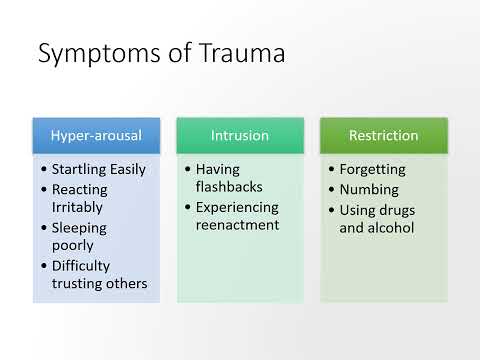
How does this affect you? Well, vicarious trauma can lead to symptoms that are a lot like PTSD. It’s not a walk in the park. Symptoms might include:
- Emotional numbing: Feeling disconnected from your emotions or unable to engage with others.
- Anxiety and depression: Overwhelming sadness or constant worry about what your clients go through.
- Cynicism: Developing a negative outlook on life or people in general.
Imagine being a social worker named Sarah. She spends her days listening to stories of neglect and abuse. At first, she feels motivated to help. But over time, Sarah starts experiencing nightmares and feels exhausted all the time. This emotional fatigue is vicarious trauma creeping in.
The good news? Social workers can take steps to manage this impact. Engaging in self-care strategies is key—like setting boundaries between work and home life or talking about feelings with colleagues.
And hey, support networks matter! Whether it’s friends who get it or professional therapy sessions, having folks around who understand can be a lifesaver.
The mental health impacts of vicarious trauma are real and definitely shouldn’t be overlooked. If you’re a social worker feeling any of these things—know that you’re not alone! This journey isn’t easy but acknowledging the stress is an important first step.
Sometimes finding resources like PDFs on vicarious trauma can provide more insights into managing these feelings effectively. It’s all about finding what works best for you!
Understanding Burnout in Social Work: Your Essential PDF Guide
Burnout in social work is, like, a real challenge for many folks in the field. You’re constantly supporting others, often while dealing with tough stories and heavy emotions. It’s no surprise that this can take a serious toll on your mental health. And when you think about vicarious trauma—where you start to feel the emotional weight of others’ experiences—it gets even more complicated.
Social workers are often exposed to traumatic situations through their clients. You hear heartbreaking stories of abuse or loss, and over time, these can weigh heavily on you. Vicarious trauma isn’t just about feeling sad; it’s deeper and can lead to emotional numbness, detachment, or even anxiety and depression.
So let’s break it down a bit more. Here are some important points to consider:
- Understanding Burnout: Burnout isn’t just stress; it’s prolonged emotional exhaustion. You might feel overwhelmed or ineffective, like you’re unable to make a difference.
- Signs of Vicarious Trauma: Symptoms include intrusive thoughts about your clients’ experiences or feeling emotionally drained after sessions.
- The Impact on Personal Life: This stuff doesn’t stay at work. You might find yourself snapping at loved ones or feeling isolated because you just can’t share what you’re going through.
- Coping Strategies: Regular supervision and debriefing with colleagues can really help. Talking things out allows for processing emotions and gaining different perspectives.
Imagine this: Sarah is a social worker who’s been helping families affected by domestic violence for years. Over time, she realizes she dreads going into work each day; the stories stay with her long after the sessions end. She goes home feeling empty and even starts distancing herself from friends because she feels they won’t understand.
The thing is, acknowledging burnout is super important for anyone in this field. It means you care enough about your well-being but also about your clients’ too! Seriously—that’s how interconnected these issues are.
Another key point? Self-care is essential. Engaging in activities that nurture your own spirit—like exercise or creative hobbies—can recharge your batteries. Take breaks when needed; don’t be afraid to step back and recharge your mind.
In essence, being aware of burnout and vicarious trauma is critical for social workers. If you’re feeling the weight of your clients’ experiences dragging you down, it’s okay to reach out for support or take some time off if needed! Remember, taking care of yourself helps you take care of others better.
So whether you’re in the thick of it right now or know someone who might be struggling with these feelings, just know that there are ways to cope and resources available to help navigate through the stormy waters of social work mental health challenges.
Understanding Burnout in Social Work: Essential Self-Care Strategies and Resources (PDF Guide)
Burnout in social work is a serious issue. You’re giving so much of yourself to help others, that it’s easy to forget about your own needs. Imagine working all day, listening to heartbreaking stories, and then going home with that weight still on your shoulders. It can really start to wear you down, right?
What is burnout? It’s not just feeling tired. It’s that feeling when you’re completely drained—emotionally, mentally, and sometimes even physically. You might notice you’re more irritable or feel like you’ve lost the passion for what you do. Symptoms can include fatigue, cynicism, and feelings of inadequacy. Sounds familiar?
Vicarious trauma plays a big part here too. This happens when you absorb the trauma of those you’re helping. You know how it is; listening to clients share their stories can really impact your own mental health over time. That’s like carrying extra baggage every day.
Now let’s talk self-care because if there was ever a time for it, this is it! Here are some strategies to help manage burnout:
- Set Boundaries: Know when to say no! Sometimes less is more, and protecting your energy is crucial.
- Regular Breaks: Don’t underestimate the power of a five-minute breather between sessions. Go for a quick walk or just breathe.
- Date Yourself: Make time for activities just for you—hobbies, movies, anything that makes you feel good!
- Connect with Peers: Talking with colleagues who ‘get’ what you’re going through can be incredibly soothing.
- Seek Professional Help: Seriously consider seeing a therapist who specializes in burnout or trauma; it doesn’t mean you’re weak.
Sometimes these strategies aren’t enough on their own. So having resources on hand can really help too! Some organizations offer workshops or webinars focused specifically on social work self-care strategies.
Take for example the “Compassion Fatigue Awareness Project.” They provide resources tailored to helping professionals manage vicarious trauma better.
It’s super important to keep an eye out for warning signs of burnout—catching it early can make all the difference in how you cope moving forward.
Remember that taking care of yourself isn’t selfish—it’s essential! Your wellbeing affects not just you but also those who rely on your support every day. Prioritize yourself so you can continue making a difference in others’ lives without burning out.
You know, working in social work can be one of the most rewarding yet challenging gigs out there. I mean, you’re on the front lines, helping people navigate through some really tough stuff. But have you ever thought about how that constant exposure to trauma affects the helpers? That’s where vicarious trauma comes into play. It’s like carrying a weight that isn’t yours, but it starts to sit heavy on your shoulders anyway.
Let’s take a moment to think about someone like Sarah, a social worker who spends her days supporting families dealing with domestic violence. Every time she hears a heartbreaking story or sees the aftermath of an awful situation, she’s taking on a piece of that pain herself. At first, it might just feel like empathy or compassion—she wants to help and be there for those families. But over time? That emotional load can start to seep into her own life.
You might notice symptoms showing up in weird places too—sudden anxiety when she hears sirens or feeling drained after seemingly simple interactions. It’s not just fatigue; it feels deeper. Sarah might find herself having trouble sleeping or maybe even feeling distant from her friends and family because she can’t shake off those heavy feelings. She wants to connect, but it’s like there’s this invisible wall built from all the stories she carries with her.
The thing about vicarious trauma is that it often goes unnoticed until it’s pretty far down the road. Social workers might brush off their experiences thinking they just need to be tougher or more resilient, which is hard because they genuinely care so much about their clients’ well-being. But what happens when they forget their own? That’s when burnout can kick in—leading not only to personal struggles but also affecting their ability to help others effectively.
Creating support systems within workplace environments is huge! Imagine if Sarah had regular check-ins with colleagues who understood what she was going through; sharing experiences could lighten that load a bit and remind her she’s not in this alone. Just knowing there’s space for her feelings could make a world of difference.
But still, it takes awareness and open conversations—not just among co-workers but also within broader mental health dialogues—to acknowledge vicarious trauma as a legitimate concern. So yeah, while social work is definitely crucial for many communities, we need to remember that those doing the hard work need tending too—they’re human too!