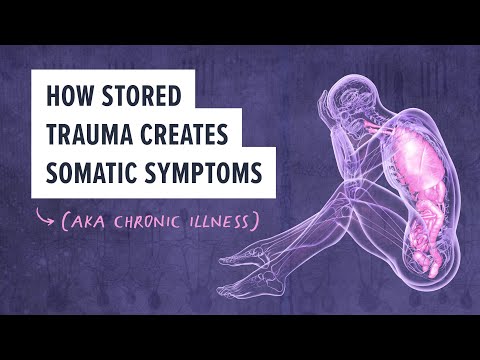
You know how, sometimes, you feel this weird ache or tension and just can’t shake it off? It’s not just physical. There’s a whole emotional side to it. Crazy, right?
So here’s the thing: our bodies hold onto emotions in ways we don’t even realize. That’s where somatic diagnosis comes into play. It’s all about connecting those dots between what you’re feeling mentally and how your body reacts.
You might be asking, “What does that even mean?” Well, it’s like if your mind is carrying stress, your body might show it through aches or tightness. Totally makes sense when you think about it!
Let’s chat about how this holistic approach can change the game in mental health treatment and wellness. Seriously, it’s eye-opening stuff that could help lift some burdens off your shoulders!
Understanding Somatic Disorders: Symptoms, Causes, and Treatment in Mental Health
So, somatic disorders, huh? They can be a pretty tricky area in mental health. Basically, these are conditions where you have physical symptoms that really seem real but don’t have a clear medical cause. Sounds confusing, right? Let’s break it down.
Symptoms can vary a lot from person to person. You could feel chronic pain, fatigue, or even gastrointestinal issues. Imagine waking up every day with a headache that just won’t quit or your stomach acting up for no apparent reason. It can be super frustrating!
And here’s the thing: while you might feel these symptoms intensely, doctors often find nothing wrong when they do tests. That doesn’t mean you’re making it up! It’s all rooted in how your brain and body communicate with each other.
Now, as for the causes, well, they’re not always cut and dry. Stress is one big factor. It’s like when you’re anxious about something—your body reacts in ways you might not even notice until later. Trauma can also be a player here; sometimes emotional pain finds its way into physical symptoms as a way of expressing what’s going on inside.
So what about treatment? First off, it starts with talking to someone—a doctor or therapist who gets this stuff. They can help you piece together what’s going on with both your mind and body. Cognitive Behavioral Therapy (CBT) is often effective because it helps address those thought patterns linked to your symptoms.
Here are some common approaches you might come across:
- Psychoeducation: Understanding what’s happening with your body and mind.
- Coping strategies: Learning ways to manage stress or anxiety.
- Physical therapy: Sometimes addressing physical aspects can help reduce symptoms.
- Medication: Sometimes antidepressants or anti-anxiety meds are used if needed.
It’s crucial to remember that recovery is totally possible! I once knew someone who struggled with severe stomach pains that turned out to be related to stress and anxiety about work—it was wild! Once they worked through their feelings in therapy and learned some relaxation techniques, those abdominal issues lessened significantly.
In short, somatic disorders are real but complex experiences connecting the mind and body. If you or someone you know is dealing with this kind of issue, don’t hesitate to reach out for support—talking about it really helps!
Exploring the Most Effective Treatments for Somatic Symptom Disorder: A Comprehensive Guide
Somatic Symptom Disorder (SSD) can be tricky, right? It’s all about experiencing physical symptoms that really cause distress but don’t have a clear medical explanation. So, you might feel pain, fatigue, or headaches—things that can drive you nuts and leave you feeling like something’s seriously wrong. But the truth is, it’s often tied to emotional or psychological factors.
Understanding SSD is key to getting effective treatment. The first step is usually a thorough evaluation. Healthcare professionals will want to rule out any underlying physical issues before diving into treatment. They might ask you about your medical history, current symptoms, and emotional state. This helps in pinpointing the best approach for you.
When it comes to treatments, they can be pretty varied. Here are some of the most effective ones:
Now let’s chat about how support plays a role here. Having a solid support network matters big time! Friends or family who understand what you’re going through can provide comfort and encouragement when things get tough.
But here’s the thing: progress takes time. You won’t wake up one day feeling 100% better after just one session or pill poppin’. It often requires patience and sometimes trying out different approaches before finding what clicks for you.
Also, it’s super important not to feel alone in this journey. A lot of people deal with SSD without even knowing it at first! Recognizing it as part of mental health shows growth; it’s all about taking steps towards understanding.
In short, tackling Somatic Symptom Disorder involves looking at both mind and body together through various treatments tailored just for you—whether that’s through therapy techniques, medication options, or physical activities designed to help ease those pesky symptoms. Always remember: reaching out for help isn’t a sign of weakness; it’s an essential part of healing!
Understanding the Primary Goal of Treatment for Somatic Symptom Disorders: A Guide to Effective Mental Health Care
So, let’s chat about somatic symptom disorders. These can be a bit tricky, but they’re super important to understand—especially if you or someone you know is dealing with them.
Somatic symptom disorder (SSD) happens when a person experiences physical symptoms that can’t really be explained by medical conditions. These symptoms are real and can seriously impact your day-to-day life and emotional well-being. The key here is that the **physical symptoms** often stem from psychological issues.
The primary goal of treatment for these disorders is to help you feel better, both mentally and physically. A lot of times, people get so caught up in their physical sensations that they forget there’s an emotional side too. Effective treatment focuses on integrating both aspects.
First off, let’s break down some main points of what effective mental health care looks like for somatic symptom disorder:
- Building Trust: Having a good relationship with your healthcare provider is essential. You’re more likely to share how you truly feel when you trust them.
- Education: Understanding what SSD is can help you realize that your feelings are valid but don’t always have to come from a physical ailment.
- Cognitive Behavioral Therapy (CBT): This type of therapy helps change negative thought patterns that may contribute to your symptoms. It teaches coping strategies too!
- Mindfulness Practices: Techniques like meditation or yoga can help ground you in the present moment, reducing anxiety about bodily sensations.
- Avoiding Unnecessary Tests: Sometimes, patients get trapped in a cycle of tests and treatments that lead nowhere. It’s crucial to focus on treatment rather than endless searching for answers.
- Holistic Approaches: Incorporating things like nutrition or exercise into your daily life alongside therapy can boost overall well-being.
It’s worth mentioning that sometimes the journey isn’t easy. I remember hearing about a friend who had been wrestling with chronic pain and fatigue for years—nobody could figure it out medically, which only made her feel more anxious and lost. It wasn’t until she started working with a therapist who understood SSD that she began feeling some relief. Together they tackled the emotional roots of her distress instead of just chasing after her symptoms.
The essence of treatment boils down to acknowledgment—recognizing the pain *is* real but also accepting it might not stem strictly from physical issues. It’s kind of like peeling back layers—you need time, patience, and support.
The aim is for you not just to manage symptoms but also enhance your quality of life! Whether it’s through therapy or building coping skills, knowing there’s help out there makes all the difference. So take heart; understanding this complicated interplay between mind and body opens doors to healing!
So, somatic diagnosis, huh? It’s a pretty cool topic, really. Basically, it’s all about recognizing that our bodies and minds are deeply connected. You know how sometimes you feel like your stomach is in knots when you’re anxious or how stress can give you tension headaches? That’s what somatic diagnosis is all about—understanding that physical symptoms can have emotional roots.
I remember a friend of mine who had this constant tightness in her shoulders. She thought she was just sitting wrong or maybe needed a better chair for her desk job. But when she finally decided to talk to a therapist who focused on somatic approaches, they uncovered that her body was holding onto all this stress from work and some unresolved personal stuff. Once she started addressing those emotional issues in therapy, the tightness began to ease up. It was like a light bulb went off for her!
What’s fascinating is how many people don’t realize their physical discomforts could be linked to their mental state. It’s like our bodies are communicating with us, asking us to pay attention. For some folks, going through traditional therapy might not cut it if they’re not also looking at what’s going on physically.
Therapists might use various techniques that incorporate the body into healing—things like breath work or even movement therapies where you get to really feel those emotions physically rather than just talking them out. So it’s an interesting shift from simply focusing on thoughts and feelings to considering how those feelings manifest in your body.
But it can be tricky too. Sometimes people might dismiss their physical symptoms as “just stress” without really diving deeper into what’s causing them. And then there’s the challenge of finding professionals who practice this kind of integrated approach because not everyone is trained in somatic techniques.
At the end of the day, acknowledging that our mind and body want to work together makes sense, right? When you start seeing yourself as a whole person instead of trying to separate everything out—like mind vs body—it opens up new pathways for healing and wellness. So if you’re feeling funky physically and mentally, maybe take a moment to think about how they’re linked!