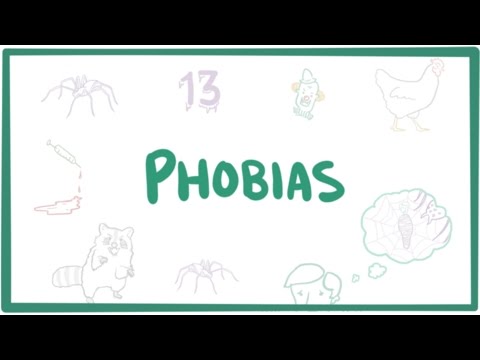
You know that feeling when you see a spider and your heart skips a beat? Or when you step onto an elevator and suddenly feel trapped? Yeah, that’s what people with specific phobia deal with. It’s not just being scared; it’s like the fear takes over.
In the DSM-5, specific phobias are listed as legit mental health issues. They’re more common than you’d think. Seriously, so many folks struggle with these intense fears.
Let’s break it down together. We’ll chat about what specific phobia really is, why it happens, and how it shows up in our lives. Trust me, understanding this stuff can really help those who are stuck in fear’s grip.
Understanding the DSM-5 Criteria for Specific Phobia: Key Insights and Guidelines
Understanding the DSM-5 criteria for specific phobia can feel a bit overwhelming, but it’s super important for recognizing and addressing this common condition. So let’s break it down, alright?
First off, specific phobias are intense fears of particular objects or situations. The thing is, these fears go way beyond simple dislike; they can seriously mess with your day-to-day life. For instance, if you’re terrified of flying, just thinking about getting on a plane might send you into a panic.
The DSM-5 outlines some key criteria to diagnose specific phobia. Here’s what you need to know:
- Intense Fear: There has to be an excessive fear regarding a specific object or situation. Think of someone who freaks out at the sight of a spider.
- Avoidance Behavior: People with this phobia will likely go out of their way to avoid the feared object or situation. So, if you’re afraid of heights, you might skip that rooftop bar with friends.
- Duration: The fear must last for six months or more. It isn’t just a fleeting feeling; it sticks around and can grow.
- Significant Distress: This fear causes real problems in your life—like trouble at work or in relationships because you can’t handle certain situations.
- Out of Proportion: The fear is usually much more intense than the actual danger posed by the object or situation. Like being terrified of dogs when most are just wagging their tails!
A friend of mine had an extreme fear of public speaking. She knew she could get through her presentation without any problem, yet her heart would race and her palms would sweat just thinking about it. For her, those feelings were very real and totally disruptive.
Now, while not everyone who dislikes something has a specific phobia, those who meet the DSM-5 criteria often experience persistent anxiety that can really interfere with their lives. It’s not just being scared; it’s about how that fear controls them.
Tackling these fears usually means diving into some kind of therapy—like CBT (Cognitive Behavioral Therapy). That helps folks challenge their thoughts and begin to face those fears in gradual steps.
So yeah, understanding these criteria isn’t just textbook stuff; it can help people recognize when they might need support and how to start dealing with those pesky phobias that hold them back from living fully!
Understanding the Four Major Subtypes of Specific Phobias According to DSM-5
Specific phobias can be a real drag, can’t they? They’re those intense, irrational fears that can really mess with your day-to-day life. The DSM-5, which is like this big manual for mental health stuff, breaks them down into four major subtypes. Let’s talk about them.
1. Animal Type
This one’s all about fear of animals or insects. Think spiders or snakes. You might find yourself feeling anxious just seeing a picture of one or even hearing someone mention it. It’s not just a little discomfort; it feels overwhelming. For example, if you have a dog phobia, just seeing one in the park could send you running in the opposite direction!
2. Natural Environment Type
Here we’re talking about fears connected to natural settings. Stuff like heights, storms, or water fits under this umbrella. Maybe you can’t stand being anywhere near the ocean because you’re terrified of drowning—or maybe the thought of climbing a mountain freaks you out so much you avoid hiking altogether.
3. Blood-Injection-Injury Type
This subtype is super specific and involves fear related to medical procedures or blood. It can be anything from getting a shot to just seeing blood—yours or someone else’s! It’s wild how strong those reactions can be; some folks even faint at the sight of needles! So if you dread doctor visits, this might ring true for you.
4. Situational Type
This one includes fears tied to certain situations—think elevators, flying, or being in enclosed spaces (like crowds). If you’re someone who panics when stuck in traffic or dreads flying on planes, that would fall here. You might prepare extensively to avoid those situations altogether!
These subtypes help mental health professionals get a clearer idea of what you’re dealing with and how to best support you in overcoming those phobias. Remembering that each person experiences these fears differently is key too—it’s all about finding what works for *you*.
Understanding CBT: Effective Treatment for Overcoming Specific Phobias
Cognitive Behavioral Therapy (CBT) is like this superhero for folks dealing with specific phobias. You know, those intense fears that make your heart race at just the thought of certain situations or objects? Like, maybe it’s spiders or crowded places—whatever it is, CBT can really help.
What’s the deal with specific phobias? Well, they’re categorized in the DSM-5, which is basically a big book with all the mental health disorders listed. Specific phobias fall under anxiety disorders and are characterized by an overwhelming fear of a particular thing. This fear isn’t just a little uncomfortable; it can seriously disrupt your day-to-day life.
So how does CBT work its magic? The thing is, CBT focuses on changing the negative thought patterns that fuel these fears. You might think you’re going to faint if you see a spider, but that thought isn’t really accurate. CBT helps you challenge those thoughts and replace them with more balanced ones.
When you start CBT for specific phobias, here’s what often happens:
- Assessment: Your therapist will first get to know your specific fear and how it affects your life.
- Education: They’ll explain how phobias work—this knowledge helps take away some of the power of your fear.
- Cognitive restructuring: This is where you challenge unhelpful thoughts. Maybe instead of “I’ll die if I’m near a dog,” you replace it with “Most dogs are friendly.”
- Exposure therapy: This part can be tough but super effective. You’ll gradually face your fear in a safe environment, starting small and working your way up.
Let’s say someone has a phobia of heights. In therapy, they might first look at pictures of high places before actually going to one. It’s all about building confidence step by step without overwhelming yourself.
So yeah, CBT not only helps address the fear but also teaches coping strategies for when those anxious feelings pop up. It’s like having tools in your back pocket to deal with scary situations better.
And remember, overcoming specific phobias doesn’t happen overnight. It takes time and practice, much like learning to ride a bike; you won’t master it on the first try! But with patience and support through CBT, people often find themselves feeling more in control and less shackled by their fears.
All in all, understanding CBT gives hope for anyone struggling with specific phobias—a path toward feeling lighter and more liberated from those fears holding them back!
Specific phobias are pretty interesting when you think about them. They’re more than just being scared of something; they can really mess with your day-to-day life. So, like, if you’re terrified of spiders, it’s not just a little creepiness—it can lead to avoiding certain places or even missing out on fun stuff because you can’t handle the thought of encountering your fear. Crazy, right?
In the DSM-5, specific phobia is classified under anxiety disorders. It’s all about those intense fears that are out of proportion to an actual threat. You know how some people get nervous before a big presentation? That’s totally normal anxiety. But with specific phobia, just thinking about that singular worry can send someone into a panic attack! Imagine being at a friend’s house and seeing a harmless spider on the wall—what happens is you might freak out and run away instead of calmly asking for a cup to catch it.
A friend of mine has this thing where she completely shuts down at the sight of balloons. I mean, who would’ve thought? For her, it’s not just an annoyance; it’s like a full-blown crisis where she can’t focus on anything else because all she can think about is that balloon floating above her head. And it comes out of nowhere—she could be fine one minute and then—boom!—a balloon appears and she’s in panic mode.
While some people manage their phobias fairly well without treatment, others might need help to get through them. Cognitive Behavioral Therapy (CBT) is often recommended because it helps folks gradually face their fears in a safe way. So instead of avoiding the fear altogether, they slowly get desensitized and learn coping strategies when faced with their specific phobia.
Medication can sometimes play a role too—though it’s usually more for when anxiety goes off the charts rather than just treating the fear itself. It’s fascinating to see how varied people’s experiences with these phobias can be.
So yeah, specific phobias aren’t just silly fears; they can have real effects on someone’s life. It’s crucial to understand what someone with this issue may be going through and lend them support without judgment because we all have our own quirks or things that rattle us a bit too much!