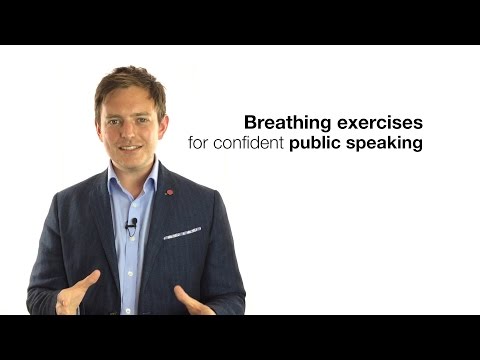
You know that feeling when you’re about to speak, and your heart starts racing? Yeah, it’s like your body is ready for a race while your mind just wants to chill.
Well, breath control can actually help with that. It’s not just about getting the words out; it’s about how you feel when you do.
Think of it like this: good breathing can be a game-changer for your emotions. Seriously!
Imagine standing on stage or just having a deep chat with a friend. Your breath can ground you, calm those jitters, and bring so much clarity.
It’s fascinating stuff, right? So let’s talk about how controlling your breath can pave the way to feeling better emotionally and even boost how you communicate.
Breathing and Speech: The Hidden Connection Impacting Communication and Mental Health
Breathing and speech are more connected than you might realize. Seriously, the way you breathe can affect how you communicate and even how you feel emotionally. When you think about it, your breath is a fundamental part of your voice. It’s like the fuel that powers your words. If something’s off with your breath, your speech can also feel off—like when you’re nervous and suddenly can’t find the right words.
When you talk, you’re not just using vocal cords; you’re also controlling airflow. Breath control is key for clear speech, but it’s also tied to emotional regulation. Have you ever noticed how someone takes a deep breath before speaking in front of a crowd? That’s not just for show—it helps calm nerves and center thoughts.
Here’s where it gets interesting: breath control can impact mental health. When you’re anxious or stressed, your breathing might become shallow or quick. This kind of breathing doesn’t provide enough oxygen to your brain, making it harder to concentrate or communicate well. It’s like trying to run a car on empty—things just don’t work smoothly!
Think about being in a heated argument or feeling overwhelmed by emotions. Your breath often reflects those feelings. If you’re aware of this connection, you can actually use controlled breathing as a tool for better communication and emotional wellbeing.
- Deep Breathing: Taking slow, deep breaths helps activate the parasympathetic nervous system, which calms the body.
- Pausing for Breath: In conversation, taking intentional pauses allows you to gather thoughts and articulate them better.
- Voice Projection: Proper breath control enhances vocal strength and clarity. It helps express emotions more effectively.
Here’s a little story: I once had a friend who struggled with public speaking. Every time she stood up to talk, she’d rush her words so much that no one could follow her thoughts—and she often felt anxious. We started practicing breathing exercises together before her speeches. Just taking five slow breaths before going on stage made such a difference! She felt more grounded and was able to share her ideas clearly.
Breath control isn’t just for performers either; anyone can benefit from it! Whether you’re navigating daily conversations or dealing with stress at work, being mindful of how you breathe can change everything.
In summary? The way we breathe directly influences our speech abilities and mental health. Understanding this connection equips us with tools to communicate better while fostering emotional wellness too. So next time you feel stressed or find yourself struggling to get the words out, take a moment—focus on your breath! You might be surprised at what happens next.
Unlocking Calm: A Comprehensive Guide to the A52 Breath Method for Mental Well-Being
Breathing is something you probably don’t think about much, right? But when it comes to mental well-being, it can actually be a game changer. The A52 Breath Method is one cool strategy that really focuses on breath control, not just in speech but also in calming your mind.
So, what’s the deal with the A52 method? Basically, it’s all about using your breath to help you manage stress and anxiety. When you’re feeling overwhelmed, taking a moment to breathe can kind of hit the reset button on your emotions.
Here’s how it works:
- Awareness: First off, being aware of your breathing is key. Most people breathe without even thinking about it. The trick is to notice how you’re breathing during different moments—especially when you’re feeling stressed.
- Control: Next up is control. Once you notice your breath, try to slow it down and make it deeper. This means inhaling fully through your nose and exhaling slowly through your mouth. By doing this, you’re telling your body that it’s okay to relax.
- Focus: Then there’s focus. While breathing deeply, focus on how each breath feels in your body. This grounding technique helps distract from racing thoughts or worries buzzing in your head.
- Return: Finally, after spending some time focusing on this controlled breathing, return gently to whatever was stressing you out but with a calmer mindset.
So here’s an example: Imagine you’re about to give a presentation at work and you’re feeling anxious. You could take a minute beforehand to practice the A52 method. Sit quietly for a moment and pay attention to how fast you’re breathing—probably pretty fast! Now slow that down; take a deep breath in for five seconds, hold for two seconds, then exhale for seven seconds. Seriously, after just a few rounds of this kind of breathing exercise, you’ll likely feel more centered!
The science behind this isn’t just fluff either! Controlled breathing affects the autonomic nervous system—the system that handles involuntary things like heart rate and digestion—turning off the “fight or flight” response and activating the “rest and digest” state instead.
Breath control isn’t just beneficial for stressful moments; it’s also useful for everyday life situations like public speaking or even when we’re caught up in heavy emotions like sadness or anger.
Overall, incorporating something like the A52 Breath Method into your routine can seriously boost emotional well-being! It’s simple yet effective—it can help create more calmness during those stormy patches life throws at us. And honestly? It’s just one more tool we can use in our mental health toolbox!
Exploring the Link Between Breath and Emotions: How Breathing Affects Our Feelings
You know, breath is this super cool thing we often take for granted. But the connection between breath and emotions is a lot deeper than most people realize. Ever noticed how your breathing changes when you’re stressed or anxious? It’s like, when you’re feeling overwhelmed, your breaths get short and rapid. On the flip side, when you’re relaxed or meditating, they’re slow and deep. That’s your body’s way of responding to emotions.
Basically, our breath acts as this bridge between our body and mind. When you breathe in deeply, it sends a signal to your brain that everything’s okay. Like, “Hey there! No need to panic!” This can help calm those racing thoughts that make you feel all jittery inside.
So let’s break it down a bit:
- Breath as a Regulator: Slow, deep breathing activates the parasympathetic nervous system. This system helps chill you out after stress. Think of it like hitting the brakes on your anxiety train.
- The Role of Diaphragmatic Breathing: When you breathe using your diaphragm instead of just your chest, it can really help lower stress levels. It promotes better oxygen flow and helps maintain emotional balance.
- Mindfulness and Breath: Practices like mindfulness meditation focus heavily on breath control to ground ourselves in the moment. Focusing on breath can reduce negative emotions like anger or sadness.
I remember a time when I was feeling super anxious about a big presentation. My heart was racing like crazy, and I could barely think straight. I took a few moments to focus on my breathing—deep inhales through my nose and long exhales through my mouth—and honestly? It felt like lifting this heavy fog off my mind! Just that simple act made me feel way more centered.
The thing is, becoming aware of your breath can be empowering too! You start recognizing how certain feelings influence how you breathe and vice versa. Like if you find yourself in a stressful situation again—you might catch yourself holding your breath or breathing rapidly—using that awareness can be your cue to change up how you’re breathing.
An important aspect to consider is how breathing techniques are used in therapy settings too; therapists might incorporate them into sessions to help clients manage their emotional responses effectively. Can you imagine being able to tackle those heavy feelings just by adjusting your breath?
In short, if we pay attention, our breath can provide valuable insights into our emotional states—it’s almost like having this built-in barometer for feelings! Breathing isn’t just physical; it can shape our emotional health in profound ways!
Breath control in speech? It’s one of those things that sounds kinda simple but packs a real punch when it comes to your emotional wellbeing. Think about it for a sec. How many times have you felt like your breath got all jumbled up during stressful moments? Maybe you were giving a presentation or trying to express something really important, and suddenly, it felt like you couldn’t catch your breath? Frustrating, right?
Let me share a quick story. A friend of mine, Sam, was always super passionate about music. He loved singing but often struggled with anxiety, especially when he had to perform in front of people. He would freeze up, his voice would waver, and he wouldn’t even be able to take a proper breath. And it wasn’t just in those high-pressure moments; it spilled over into his everyday life too. He’d feel nervous just talking to someone he liked or giving his opinion in class.
Then one day, he stumbled upon some breathing exercises specifically designed for singers. At first, he rolled his eyes thinking it was just another gimmick. But after a week of practicing these techniques—like deep diaphragmatic breathing—he noticed something incredible: not only was he hitting those high notes better, but he also started feeling more grounded and calm outside of practice too.
Breath control can do wonders! You see, the way we breathe affects our emotional state. That shallow chest breathing tends to kick us into fight-or-flight mode—hello anxiety! On the flip side, deep belly breathing signals to our bodies that everything is okay and helps us relax.
When we learn how to manage our breath while speaking or even just chatting with friends, we gain this confidence that ripples through every part of our lives. You start feeling more present and connected—not just with others but also with yourself! Sam’s voice became stronger as his confidence grew and he began sharing his thoughts openly without feeling that familiar knot in his stomach.
So yeah, taking the time to practice breath control isn’t just about nailing that perfect speech or song; it’s also about fostering emotional health. It’s like giving yourself permission to be calm in chaos—a little gift we can all benefit from in this hectic world we live in!