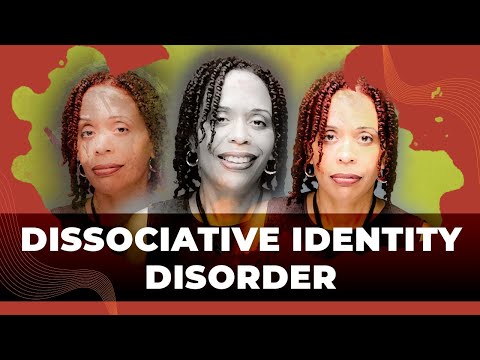
You know, life can throw some pretty wild curveballs at us, right? If you’ve ever felt like you’re living in two different worlds at once, you’re not alone.
Split disorder—yeah, it’s a tough one. Imagine juggling your everyday life while dealing with some really intense emotions and thoughts. It can feel overwhelming.
Sometimes, it’s hard to explain what’s going on in your head. Like when friends say, “Just snap out of it!” and you’re thinking, “If only it were that easy!”
But here’s the thing: navigating through split disorder is totally possible. With the right support and tools, you can find your way out of that fog.
Let’s chat about what this looks like and how to manage those challenges together. Sound good?
Effective Strategies for Treating Split Personality Disorder: A Comprehensive Guide
Talking about “split personality disorder” is kinda tricky because it’s often a term people use for what’s actually known as **Dissociative Identity Disorder (DID)**. This condition involves having two or more distinct identities or personality states that can take control of an individual’s behavior. A lot of people don’t understand it fully, so let’s break down some effective strategies for treating DID.
Therapy – The Heart of Treatment
First off, therapy is the no-brainer here. Specifically, **trauma-focused therapy** can be super helpful. Often, DID stems from traumatic experiences, especially during childhood. Therapists usually work with you to process these traumas in a safe environment.
Strategic Approaches to Therapy
Here are some key therapeutic strategies:
- Talk Therapy: This is where you talk about your thoughts and feelings. It helps you make sense of your different identities.
- Dialectical Behavior Therapy (DBT): DBT can help manage emotional swings and improve relationships with others.
- Cognitive Behavioral Therapy (CBT): CBT focuses on changing negative thought patterns that contribute to distress.
So think about it—if you can identify those negative thoughts tied up in your past, it might make dealing with them way easier.
Building a Support System
Next up—support systems! Look, having friends or family who really get what you’re going through is huge. They can help you feel less alone in this journey. Sometimes just sharing a laugh or having someone listen can lighten the load.
Self-Care and Grounding Techniques
You know how sometimes self-care feels impossible? But the thing is, small habits can make a big difference! Here are a few ideas:
- Meditation: Simple breathing exercises or mindfulness practices could ground you when things feel overwhelming.
- Journaling: Writing down your thoughts and feelings might help clarify which identity comes up when.
- Physical Activity: Regular exercise can boost mood and manage anxiety.
It sounds simple—but seriously—taking time for yourself can be such an effective game changer.
Medication Management
While there’s no specific medication for DID itself, still some folks find relief from symptoms like depression or anxiety through medications like SSRIs. That said, it’s crucial to have a mental health professional guide you through this part; self-medicating isn’t the best route!
Psychoeducation
Understanding DID is key! Learning about its symptoms helps demystify it and gives you tools to explain it better to others if needed. Sometimes just knowing that you’re not alone in feeling this way brings peace of mind.
Anecdote Time!
I remember talking to someone with DID who described their experience like living with roommates—but the catch was those roommates had distinct personalities! Just visualizing that helped me understand how complex and challenging life could be for them day-to-day. It made me realize how important patience and empathy are when supporting someone with this condition.
So there ya go! Navigating DID isn’t easy but with the right strategies and support systems in place, folks living with this disorder can find pathways toward healing and connection. Remember: it’s all about taking one step at a time!
Understanding the Challenges of Dissociative Identity Disorder: Insights and Impacts
Dissociative Identity Disorder (DID), once known as split personality disorder, is a pretty complex mental health condition. It’s often misunderstood, but it really gets to the heart of how trauma can affect someone’s sense of self. Imagine going through something so intense that your mind just decides to protect you by creating different identities or «alters.» That’s what happens in DID. It’s like having multiple voices in your head, each with their own memories, behaviors, and ways of seeing the world.
So, what are some of the **challenges** people face with DID? Well, here are a few:
- Memory gaps: People with DID often experience really significant memory lapses. This isn’t just forgetting where you left your keys. It can be losing chunks of time or even whole experiences.
- Identity confusion: It’s not just about having different identities; sometimes those identities clash. You might find yourself feeling confused about who you really are.
- Stigma and misunderstanding: Unfortunately, there’s still a lot of stigma surrounding mental health conditions. People with DID may face judgment or disbelief from others who don’t understand what they’re going through.
- Treatment challenges: Finding the right therapist who understands DID can be tough. Therapy is often long-term and requires trust, which can be hard when trust issues are a big part of the disorder.
The emotional toll can be heavy too. I remember talking to a friend who struggled with this disorder; at times she’d feel overwhelmed by her alters popping up unexpectedly in social situations. Imagine sitting at dinner and feeling like you’re not fully yourself—like you’re watching from afar instead of living in the moment.
Navigating relationships also becomes complicated. You know, when you have different parts that might not like each other—or one alter might have specific triggers that make it hard to engage with certain people. It’s like walking on eggshells around friends and family because you never know which identity will show up.
But here’s the thing: understanding and support from loved ones can make a big difference. When my friend finally opened up about her experience, her friends rallied around her, trying to learn more about DID so they could help when she needed it most.
People with Dissociative Identity Disorder deserve empathy and patience as they navigate their lives. Education plays a huge role here; if more people understood what DID truly means, maybe we could lessen some of that stigma and create safer spaces for those affected by it.
So yeah, while living with DID presents challenges—like memory gaps and identity confusion—there’s hope out there through therapy and strong support systems that help individuals reclaim their lives piece by piece.
Understanding Split Personality Disorder: Myths, Realities, and Insights
Alright, so let’s chat about something that’s often misunderstood: Split Personality Disorder. You might’ve heard it referred to as Dissociative Identity Disorder (DID), which is a lot less dramatic than the name “split personality,” but it basically gets to the heart of what’s going on with people who experience it.
First off, let me clear up some myths. A lot of folks think DID means someone has totally distinct personalities that can take over at any moment, like in the movies. Well, that’s not true. It’s more like having different parts of yourself that come out depending on the situation or your emotional state. And these parts know about each other; they aren’t just battling for control.
Now, if you’re wondering what causes this disorder, it usually stems from severe trauma during childhood—like abuse or neglect. Your mind is trying to protect you from overwhelming experiences by creating these alternate identities or personas. Each one can handle different aspects of your experiences and emotions. So it’s really a coping mechanism, even if it’s super complicated.
A common misconception is that people with DID are dangerous or unpredictable. This idea comes mostly from media portrayals where characters harm themselves or others, but in reality, most people living with DID are more likely to hurt themselves than anyone else. They’re just trying to navigate life while dealing with their trauma.
And let’s get into some realities because this condition is way more nuanced than most stories make it sound. People with DID often struggle with memory gaps—things like forgetting certain periods of time or specific details about their lives when another persona is “in charge.” This doesn’t mean they’re not functioning; they can still go to work or school and manage everyday tasks, but there are hidden struggles beneath the surface.
So you might wonder how treatment works for someone with this disorder? Well, therapy plays a huge role—especially types like cognitive-behavioral therapy (CBT) and dialectical behavior therapy (DBT). The goal here is to help individuals understand and integrate their various identities so they can start healing together as a whole person. It takes time and trust, which isn’t always easy.
But here’s something heartfelt: imagine feeling fragmented inside for years—kind of like holding onto pieces of a shattered mirror without knowing how to put them back together. That’s reality for many living with DID. They constantly navigate feelings of confusion and isolation while trying to make sense of their lives.
Also important to remember? Awareness and support from friends and family can make a huge difference in managing this condition. Having people who understand what they’re going through can be life-changing.
In summary, navigating the challenges of Dissociative Identity Disorder involves debunking myths while acknowledging the real emotional struggles faced by those affected by it each day. It might seem overwhelming—and honestly, sometimes it really is—but understanding goes a long way in fostering empathy instead of fear. And that’s something we could all use a bit more of these days.
Navigating the challenges of split disorder, or as it’s more commonly known, Dissociative Identity Disorder (DID), is like trying to solve a puzzle where pieces keep changing shape. Imagine waking up one day feeling completely different from who you were yesterday. That’s what it can feel like. Each “alter” or identity has its own way of seeing the world. You might wake up cheerful one day and then suddenly feel anxious and withdrawn the next.
I remember speaking to a friend who experienced this firsthand. She shared how sometimes she’d find herself in strange places with no idea how she got there. One time, she was at a café, sipping a latte—totally fine—when suddenly she felt like someone else entirely, someone who didn’t want to be there at all. It’s disorienting when your mind takes you on a ride you never signed up for.
But here’s the thing: it’s not just about those sudden shifts; it’s also about understanding and managing them. Therapy can be especially helpful for folks dealing with DID. It often involves working with a professional to build trust and safety in therapy sessions so that all those different identities can feel heard and validated. And oh boy, that process isn’t easy! It takes time to unwrap everything safely without overwhelming yourself.
Support systems are crucial too—a good friend or family member who listens without judgment can make such a big difference. Just knowing someone is there for you through all these ups and downs makes it feel less isolating. Seriously, feeling seen and accepted is everything when you’re dealing with this kind of internal struggle.
Of course, there are societal misconceptions out there that can complicate things even more. People often misunderstand DID because they see it as something sensationalized by movies or media rather than the complex reality it truly is. That adds another layer of challenge: trying to explain your experience while feeling misunderstood.
In the end, navigating split disorder requires patience—both from yourself and others around you—and a whole lot of compassion as well as understanding for what each identity brings to the table. The journey isn’t linear; it’s more like climbing a steep hill where some days are easier than others but every step forward counts in reclaiming some sense of wholeness again. It’s all about finding your way back home within yourself, no matter how long it takes or how winding that path may be.