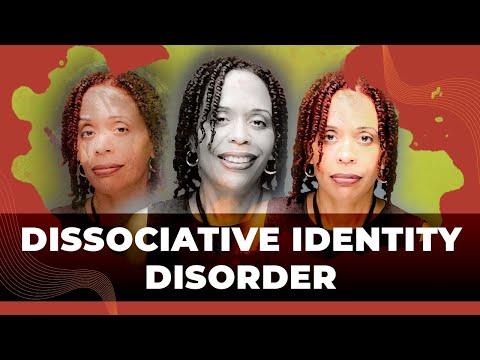
You ever feel like you’re living in two worlds at once? Like, one minute you’re yourself, and the next, you’ve got this whole other vibe going on?
Split Identity Disorder, or Dissociative Identity Disorder as the fancy folks call it, can be a real trip. It’s not just a quirky personality trait; we’re talking about something that messes with how you see yourself and your life.
Imagine waking up one day and feeling like a stranger in your own skin. That’s what some folks deal with daily. It can be confusing, scary, and isolating.
But here’s the thing: it doesn’t have to be all doom and gloom. You can understand it better, find ways to cope, and navigate through the chaos. So grab a cup of coffee or tea—I’ve got some stories and insights to share that might help illuminate this complex experience.
Exploring Effective Treatments for Dissociative Identity Disorder: A Comprehensive Guide
Dissociative Identity Disorder (DID), often called Split Identity Disorder, is a complex condition. It involves two or more distinct personality states. Each has its own way of thinking, feeling, and acting. You might be wondering why someone experiences this. Usually, it’s a response to extreme trauma, often during childhood.
Effective treatment for DID isn’t one-size-fits-all. You know? It’s pretty personal and varies from person to person. But there are some common approaches that can help navigate this challenging journey.
1. Therapy Options
Psychotherapy is the main course of action here. This is like going on a journey with a guide who knows the terrain well.
2. Building Grounding Techniques
Grounding techniques are super helpful tools when feelings get overwhelming or when dissociation strikes.
You might remember Sara from a workshop I attended a while ago—she talked about how grounding helped her reconnect when she felt lost in her memories. Just focusing on her breathing made all the difference sometimes!
3. Medication
While there are no specific medications approved for DID itself, some people find relief by treating related symptoms like anxiety or depression.
Always chat with a psychiatrist who understands DID about any meds you’re considering!
4. Support Systems Matter
Having people who ‘get it’ makes everything easier. Look for supportive friends or groups where sharing experiences feels safe.
When sufferers share their stories, it’s like shedding light on a dark path—you see you’re not alone in this.
So yeah, navigating Dissociative Identity Disorder isn’t easy at all but having the right treatments in place makes it more manageable over time—this isn’t just about surviving; it’s about finding ways to live fully again!
Understanding the Controversy Surrounding Split Personality: A Deep Dive into Mental Health Perspectives
The topic of split personality, or what’s officially called Dissociative Identity Disorder (DID), often brings up a lot of heated debate. You might have heard wild claims, seen movies glamorizing it, or even come across misconceptions online. It’s a complex issue that definitely needs some unpacking.
First off, DID is actually a severe psychological condition. It involves the presence of two or more distinct personality states or identities. It’s not just about feeling moody or switching between different parts of yourself like you might do when you’re stressed. You see, people with DID often experience gaps in memory and may not know when these different identities take over. Imagine it like this: one minute you’re handling your day-to-day life, and the next, you could be in a completely different mental state without even realizing how you got there.
Then there’s the whole misunderstanding around what causes this disorder. Most experts believe that it stems from extreme trauma during early childhood—think of things like severe neglect or abuse. So, it’s not some fictional creation; it’s often a survival mechanism that helps those affected cope with unbearable situations. Trauma response is key here.
You may also be wondering about how the media portrays DID. Well, films and TV shows sometimes make it look like people with DID are violent or dangerous. That’s pretty far from the truth! Most individuals with DID are not violent—they’re struggling to manage their internal chaos and pain. The stigma pushed by entertainment can really make things harder for those who live with the disorder daily.
Now let’s chat about diagnosis and treatment because that part’s crucial too! Diagnosing DID isn’t as straightforward as you might think. Mental health professionals look for specific symptoms that match up over time before confirming a diagnosis. This involves detailed interviews and assessments.
When it comes to treatment options, therapy tends to be the go-to route for many with DID. Trauma-focused therapy plays a significant role in helping individuals process past experiences and work toward integrating their identities into one cohesive self. Healing takes time and patience so having support along the way makes a world of difference.
And people talk about recovery often—hey! It’s important to note that there’s no quick fix here; each person’s journey looks different depending on their experiences and personal strengths.
In short, while split personality sounds dramatic and sensationalized in pop culture, at its core lies serious mental health challenges rooted in deep trauma and pain. Understanding this intricacy can help foster compassion instead of judgment toward those navigating life with Dissociative Identity Disorder. Empathy is crucial because everyone fights battles we can’t always see surface-level! So if anyone mentions split personalities again? Maybe try shedding some light on how challenging it really can be instead of just what we think we know from movies or gossip!
Understanding the Behavior of Individuals with Split Personality Disorder: Insights and Observations
Understanding Split Personality Disorder, more formally called Dissociative Identity Disorder (DID), can be a bit tricky. But, let’s break it down, shall we?
Basically, DID is a condition where a person feels like they have more than one identity or personality. These different identities might have their own names, ages, histories, and characteristics. It’s not just about acting in different ways; it’s like different parts of the person are trying to communicate or take control at various times.
How does this happen? Well, most people with DID have experienced severe trauma—often during childhood. Think of it as a coping mechanism. When the world feels too overwhelming or frightening, some folks might fragment their sense of self to handle all that pain better.
You know how sometimes you may feel different on a bad day versus a good day? Imagine feeling as if totally different people are in charge of your actions and thoughts instead. That’s what folks with DID experience!
Some key observations include:
- Memory Gaps: People might forget info about themselves or lose time due to switching identities. Picture someone who suddenly can’t recall what they did for a couple hours—and they’re not just being forgetful.
- Differing Traits: Each identity may have unique memories and behaviors. One part could be super outgoing while another is shy and reserved.
- Emotions and Reactions: Different identities might react emotionally in distinct ways to the same situation. So one identity may scream at a scary movie while another just laughs it off.
Now let me share an emotional snapshot: Imagine a woman named Sarah who deals with DID. Some days she wakes up feeling like her alter ego “Jessie,” who loves parties and socializing, while other days she finds herself transformed into “Maya,” who prefers solitude and art. That constant internal juggling can be tough—not only for Sarah but for her loved ones too.
Navigating relationships when you have split personality disorder can bring its own set of challenges. Friends and family can find it hard to keep up with who’s in charge today or how to support them best during tough times.
The treatment journey. Therapy is super important here; many professionals use approaches like talk therapy combined with trauma-informed care to help individuals integrate those split identities into a more cohesive self over time.
So yeah, living with Dissociative Identity Disorder isn’t just about having multiple personalities; it’s about coping with deep-rooted pain and finding ways to heal from experiences that were often too much to bear alone. It’s crucial we approach this topic with understanding and empathy—not fear or stigma!
You know, split identity disorder, or what we often call Dissociative Identity Disorder (DID), is a pretty intense experience for folks who live with it. It’s like there are different parts of you running around in your head, each with its own memories, behaviors, and ways of seeing the world. Imagine waking up one day and not recognizing yourself because it feels like someone else is in control. That can be really disorienting.
I once met someone named Sarah at a support group. She’d been living with DID for years. One moment she was this bubbly, adventurous person talking about her travels; the next, she’d switch to a part that was just terrified of leaving the house. It wasn’t just her mood that changed—her entire way of relating to the world shifted too. And honestly? That kind of unpredictability is tough not just for the person living it but for friends and family trying to understand what’s going on.
Navigating life with DID means dealing with trauma and emotional pain nestled deep inside those identities. Sometimes, people have trouble blending their experiences into a cohesive story, which can feel like being pieced together from a puzzle where half the pieces are missing or don’t even fit right.
Therapy plays a big role here – think of it as a safe space to explore all those parts without judgment. A good therapist helps you learn more about each identity and how they relate to one another, which can take time but is so important for healing.
The thing is, people often misunderstand DID because they think it’s just Hollywood stuff or like someone’s trying to act out multiple personalities for attention (ugh). But really? It’s about survival mechanisms; it’s how someone copes when things get overwhelmingly tough. So when you hear someone joke about “being two-faced,” remember—it’s much deeper than that.
And hey, if you ever find yourself struggling with understanding someone who has DID or feeling lost yourself in your own identity journey? Just take it one step at a time and lean into those supportive relationships around you. Because at the end of the day, we’re all just searching for understanding—no matter how many pieces we have inside us.