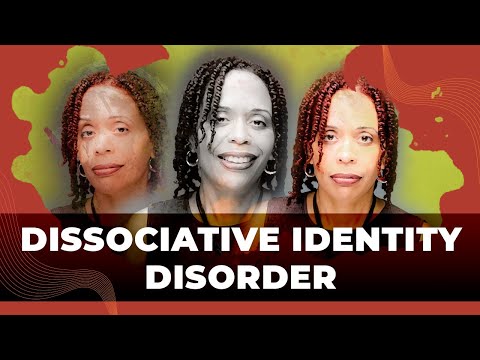
You know, the mind can be a pretty wild place. Ever heard of Split Personality Disorder? Or, as it’s officially called, Dissociative Identity Disorder? Yeah, it sounds intense.
Imagine feeling like you’ve got different people living inside you. One minute you’re one person, and the next—boom!—you’re someone totally else. That’s what it’s like for folks dealing with this.
It can feel confusing, not just for them but for everyone around them too. Like, how do you even wrap your head around that? Seriously, it’s a journey through layers of identity that not many understand.
You might picture Hollywood drama or wild stories, but trust me—real life is way more complicated. Let’s break it down together and make sense of this mind-bending experience.
Understanding the Trauma Behind Split Personality: Causes and Insights
Trauma can really mess with the way we see ourselves and interact with the world. One of the more complex impacts of trauma is what people often call split personality, or more formally, Dissociative Identity Disorder (DID). It’s not just a quirky thing you see in movies; it’s a serious mental health condition.
So, what causes this? Well, it usually stems from severe trauma during early childhood. Think about it: a kid who faces constant abuse or neglect might not be able to handle that pain. To cope, their mind can create different identities or “alters.” Each alter serves a purpose, like shielding the core self from overwhelming emotions or memories.
- Severe Childhood Trauma: This includes physical, emotional, or sexual abuse. A child who feels unsafe might develop alternate identities to escape their reality.
- Neglect: Being ignored or abandoned can make a kid feel invisible. They might create different versions of themselves to feel seen in some way.
- Coping Mechanism: Each identity can hold specific memories or traits. For instance, one alter might be strong and capable while another is more vulnerable.
You know what’s wild? It’s like having different parts of yourself that don’t always talk to each other. Imagine standing in front of a mirror and seeing different versions of yourself looking back—each with distinct styles, voices, even opinions. That’s kinda how it feels for someone with DID.
A lot of folks think this disorder means someone is just “crazy” or pretending. But trust me, that couldn’t be further from the truth. It’s not something you choose; it’s your brain trying to protect itself from unbearable distress.
What happens is that the person struggles with memory gaps and shifts in identity that can be really confusing both for them and others around them. Picture this: you’re talking to somebody one moment, and then suddenly they’re a different person with totally different beliefs and reactions! It’s intense, no doubt about it.
Understanding DID also means recognizing that healing takes time—and support. Therapy often plays a crucial role here, helping individuals integrate those fragmented identities so they can become whole again. Techniques like trauma-focused therapy aim to gently process those traumatic memories without getting all overwhelmed by them again.
That said, awareness about DID is growing among therapists and psychologists today. This means better resources for treatment and lots more compassion out there—thank goodness! We’re learning more about how important it is to listen to these stories rather than judge.
So yeah, dissociative identity disorder isn’t just about having multiple personalities; it’s deeply rooted in trauma and survival strategies within an individual’s psyche. And while navigating these complexities isn’t easy—it can lead to profound healing through understanding and empathy over time!
The Controversy Surrounding Dissociative Identity Disorder: Understanding the Debate
Dissociative Identity Disorder (DID), previously known as Multiple Personality Disorder, is a pretty hot topic in psychology circles. The thing is, it’s not just about having multiple personalities; it’s more about how a person’s mind copes with trauma. You see, many people with DID have experienced severe stress or trauma, often in childhood.
Understanding DID is key to grasping the controversy around it. People with this disorder have two or more distinct identities or personality states. Each identity may have its own name, age, history, and characteristics. Imagine a person who sometimes feels like a child, but other times they feel like an adult who’s been through intense experiences—totally different ways of seeing the world.
Now, the debate? Well, there are two main camps here: those who strongly believe in DID as a legitimate mental health condition and others who are skeptical. Critics argue that some cases might be misdiagnosed or that therapists could unintentionally suggest identities during treatment. This concern stems from how easily people can be influenced by suggestion—like when you hear something so many times you start to believe it yourself.
On the flip side, supporters of DID argue that dismissal of this disorder can minimize the real pain experienced by individuals who’ve lived through traumatic events. They point out that there’s substantial evidence showing how trauma can lead to dissociation as a coping mechanism. It’s kind of like your brain’s way of saying “Whoa! This is too much!” and splitting off some memories or feelings to manage.
There are also lots of misconceptions floating around about DID in pop culture—think movies and TV shows portraying dramatic transformations between identities. But in real life, it’s not always so flashy or clear-cut; transitions might be subtle and gradual without any theatrical flair.
Another aspect complicating the conversation includes diagnosis rates. Some studies have shown an increase in diagnosed cases over recent decades leading some folks to wonder if it’s overdiagnosed or if awareness has simply grown? You know?
Also, there’s ongoing research into how treatment works. Different approaches like therapy focus on integrating these separate identities into one cohesive self rather than just suppressing them. But therapy can be lengthy and complex because it often digs deep into past traumas.
In summary, the controversy surrounding Dissociative Identity Disorder highlights the delicate balance between validating experiences and ensuring accurate diagnoses. With ongoing dialogue among professionals—and even within communities affected by this disorder—the understanding continues to evolve alongside societal perceptions of mental health issues.
So yeah, navigating these complexities isn’t easy for anyone involved—patients or therapists—because at its core lies pain, recovery paths, and lots of room for misunderstanding along the way.
Exploring Celebrities with Dissociative Identity Disorder: Real Stories and Insights
When we talk about Dissociative Identity Disorder (DID), which you might’ve heard called Split Personality Disorder, it’s important to understand that it’s often misunderstood. This condition isn’t just about having multiple personalities in a dramatic way, like in movies. People with DID deal with some heavy stuff, often stemming from severe trauma or abuse. It’s a way their mind copes by creating different identities or «alters» to handle overwhelming experiences.
You know, a lot of celebrities have opened up about their struggles with DID, giving us some real-world glimpses into this complex disorder. For instance, Roseanne Barr has talked about her experiences living with the condition. She mentioned how her alters had unique voices and memories, making daily life both complicated and challenging. It’s like having different characters inside you; some might help you cope while others can feel completely disconnected from each other.
Another notable figure is David Bowie. He didn’t confirm having DID officially, but he did hint at experiencing dissociation during certain periods of his life, particularly in the ’70s when he was battling addiction. His art reflected varying identities—Ziggy Stardust being one of the most famous alter egos—that he created as a way to navigate his struggles.
DID shows up in different ways for different folks. Some key points to remember include:
- Alters: Each identity might have distinct characteristics, such as age, gender, memories, and even mannerisms.
- Amnesia: People may experience gaps in memory when switching from one identity to another.
- Coping Mechanism: The alters often form as a response to trauma or stress; it’s not just random.
Well, the thing is these celebrities can break down stereotypes surrounding mental health issues. When someone like Evan Rachel Wood shares their experience with DID after years of feeling isolated by their condition, it resonates deeply with fans who may feel similarly lost or confused.
Then there’s Nikki sixx, bassist of Mötley Crüe. He has discussed undergoing therapy for issues related to identity fragmentation due to past trauma and addiction. His story sheds light on how recovery looks and emphasizes that people can manage these conditions with proper support.
Here’s where it gets really interesting: While there are challenges associated with DID—like navigating everyday life or forming relationships—many individuals find ways to lead fulfilling lives despite their diagnoses. Seriously! Therapy plays a huge role here. Techniques like trauma-focused therapy can help individuals connect their alters and work towards healing.
It’s worth noting too that portraying DID in media can sometimes be misleading or overly dramatized. Movies tend to focus on extremes without capturing the day-to-day reality for those living with this disorder. So when consuming stories about celebrities who talk openly about DID—it helps if you keep that context in mind!
To sum up: Dissociative Identity Disorder is complex and deeply individual. Celebrities sharing their journeys not only raise awareness but also offer support for others navigating similar challenges—and that’s something pretty incredible!
You know, when we talk about Split Personality Disorder, or what’s officially called Dissociative Identity Disorder (DID), it can get pretty complex. I mean, you hear the term «split» and suddenly you imagine someone flipping a switch and becoming a totally different person. But there’s so much more to it than just that.
I once read about a woman named Sara who lived with DID. She’d sometimes wake up and not know where she was or why her clothes were different. Sara had multiple identities, each with its own name, age, and backstory. It was like she was hosting a party in her mind without even sending out invites! Some parts of her would be all about fun and adventure, while others were scared or angry. Those extreme shifts made her life feel like this wild rollercoaster ride—both thrilling and deeply challenging.
The thing is, living with DID is rarely just about switching personalities; it’s often linked to trauma. Many folks who experience this disorder have gone through some seriously tough stuff in their lives—like abuse or neglect—to cope with unbearable feelings. It’s like their minds are trying to protect them by creating these separate identities to handle the pain.
And let me tell you, that makes therapy a whole different ball game. Imagine sitting across from your therapist while they’re trying to help you untangle all these layers of your experiences! It can feel exhausting but also kind of hopeful when you start making sense of things.
Medications? Well, they’re usually just for managing symptoms like anxiety or depression rather than treating DID directly. The main focus is really on therapy—working through trauma and learning how to integrate those different parts of oneself into something cohesive.
Navigating life with Dissociative Identity Disorder is no walk in the park; it’s messy and complicated. But amidst all that chaos lies resilience and the possibility for healing—something so many people strive for every day. And that’s pretty remarkable if you ask me.