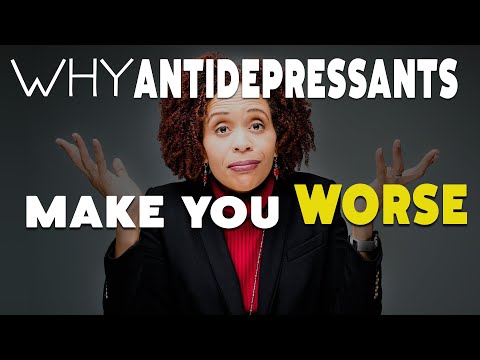
So, here’s the thing: a lot of people think SSRIs are the go-to solution for everything from anxiety to depression. I mean, they definitely have their place, right? But what if I told you they could actually make ADHD symptoms worse for some folks?
Yeah, it sounds wild, but it’s true! Imagine being out there trying to manage your ADHD while also dealing with the side effects of a medication you thought would help. That’s tough!
Stick around, and let’s chat about why this happens. You might be surprised by what you learn!
Exploring the Impact of SSRIs on ADHD Symptoms: Are Antidepressants Worsening Your Condition?
So, let’s get into SSRIs and how they might mess with ADHD symptoms. First off, SSRIs stand for selective serotonin reuptake inhibitors. They’re typically prescribed to help with depression and anxiety. But if you’ve got ADHD, you might be wondering: can these meds make things worse? Well, here’s the scoop.
ADHD affects your focus and impulse control. Sometimes, people with ADHD also deal with anxiety or depression, and that’s where SSRIs come in. They can be helpful for anxiety, but they don’t exactly target the attention issues that come with ADHD.
Now here’s the catch: some studies suggest that SSRIs can actually worsen ADHD symptoms in certain individuals. This might sound counterintuitive since you’re taking something to feel better mentally. But what happens is that boosting serotonin—how SSRIs work—doesn’t necessarily help your brain focus better.
So let’s break down some key points:
- Side Effects: Some common side effects of SSRIs include fatigue, difficulty concentrating, or even increased restlessness. If you’re already dealing with issues from ADHD, these side effects can feel like a double whammy.
- Individual Variability: Not everyone experiences SSRIs the same way. For some folks with ADHD, these medications might not cause any extra problems at all—while for others, it could be a totally different story.
- Comorbid Conditions: If someone has both ADHD and depression or anxiety (and hey, this is pretty common), finding the right balance of medication can get tricky. Treating one condition might inadvertently affect the other.
I remember a friend who was prescribed an SSRI for her anxiety but noticed her focus just went out the window. She had been managing her ADHD pretty well without a lot of fuss until she started taking that med. It was like someone flipped a switch; her ability to concentrate plummeted. She ended up working closely with her doctor to find a solution that wouldn’t exacerbate her symptoms.
Another thing to consider is the importance of communication with your healthcare provider. If you’re on an SSRI and feel like your ADHD symptoms are getting worse—or if you’re just not feeling quite right—it’s crucial to chat it out! Adjustments could make all the difference.
Ultimately, while SSRIs have their place in treating mental health conditions, being aware of how they interact with symptoms of ADHD is super important. So if you’re in this boat or know someone who is? Just know you’re not alone, and there’s always room for tweaking treatment plans until things feel right again!
Understanding the Interaction Between SSRIs and ADHD Medications: What You Need to Know
So, let’s chat about the interaction between SSRIs and ADHD medications. It might sound complicated, but I promise I’ll break it down for you. So picture this: you’re dealing with ADHD, and maybe you’re feeling a bit down too. You find out that SSRIs—those medications often used for anxiety and depression—might be part of your care plan. But here’s the twist: they can actually make your ADHD symptoms worse for some folks.
SSRIs, or selective serotonin reuptake inhibitors, work by increasing serotonin levels in your brain. That’s that neurotransmitter we often hear brings happiness and stability to mood. Sounds pretty good, right? Well, here’s the catch. While they can help with mood disorders, they might not be so great for attention issues.
When someone with ADHD takes SSRIs, there are a couple of things that can happen:
- Increased Impulsivity: Some people notice their impulsivity gets ramped up on SSRIs. If you already struggle with impulse control due to ADHD, this could feel like pouring gasoline on a fire.
- Difficulty Focusing: Others might find it even harder to concentrate. If focusing is already a challenge due to ADHD, adding an SSRI might muddle things further.
- Variability in Reactions: Everyone’s brain is different! What works wonders for one person can mess things up for another.
It’s kind of like trying to drive a car while juggling—you may end up swerving off course if you’re trying to handle both at once.
Take Sarah’s story for example: She was diagnosed with ADHD and started taking an SSRI after experiencing depression. At first, she thought it would help her feel more balanced. Instead, she found herself feeling more restless and unfocused as time went on—her therapy sessions became challenging because she’d lose track of conversations easily.
Now imagine if you’re also on something like stimulants, which are common meds for ADHD treatment—like Adderall or Ritalin. Those work by increasing dopamine levels to boost focus and attention but when combined with SSRIs, there’s potential for some tricky interactions too.
While some might benefit from using both types of meds—keeping their mood stable while managing their focus—it doesn’t always go smoothly for everyone involved. You should absolutely talk to your healthcare provider before making any changes or mixing meds.
In the end, it all circles back to how unique each person is when it comes to mental health treatment. Finding what works best can take time—and sometimes a bit of trial and error—but getting educated about these interactions is the first step towards making informed decisions about your wellbeing.
So whether you’re considering starting an SSRI while managing ADHD or just navigating through your current meds, keep those conversations rolling with your doc! They’re in your corner and can help guide you through this maze of options.
Understanding the 24-Hour Rule for ADHD: Strategies for Better Management
When it comes to managing ADHD, the 24-Hour Rule can feel like a lifeline. Basically, this rule is about understanding how different factors in your daily life can impact your symptoms and behaviors within a 24-hour period. It’s all about that short-term view, but it’s crucial because ADHD symptoms can be pretty unpredictable, right?
So, what’s the deal with this rule? Well, the 24-Hour Rule suggests that you should look at your daily activities and experiences to figure out what’s working for you and what isn’t. You might be surprised how quickly things change! For instance, let’s say you had a rough night’s sleep; you could notice heightened impulsivity or distraction the next day. Simple stuff, but it matters.
Here are some strategies related to this concept:
- Track Your Days: Keep a log of how you feel every day. Note any changes in mood or concentration levels after different events or activities.
- Routine is Key: Find a routine that suits you and stick to it as much as possible. Consistency can help reduce the chaos that often comes with ADHD.
- Avoid Overstimulation: Limit exposure to distractions—like social media or noisy environments—especially in the hours leading up to important tasks or bedtime.
- Manage Medications: If you’re on meds like SSRIs and notice your ADHD symptoms worsen after starting them, talk to your doc. They might suggest tweaking your dose or exploring alternatives.
You know, I had a friend who really struggled with this whole concept. They’d bounce from one chaotic day to another without really noticing how their actions affected their week overall. But once they started tracking their moods and routines over just those 24 hours? Things began to click! This helped them see patterns more clearly—you follow me?
The thing is, applying these strategies doesn’t mean every day will be sunshine and rainbows; some days will still suck! But by understanding how each day influences your ADHD symptoms, you’re giving yourself tools to manage those challenges better.
If SSRIs play a role in your life and cause more chaos than calm? Well then maybe look into other treatments alongside support groups or therapy options that focus on both medication management and behavioral strategies. It’s super important to feel heard and supported when navigating all this stuff!
Taking control of those 24 hours—with some self-awareness—can lead to real changes over time. So even though it might seem small on its own, these little adjustments can end up making a big difference in managing ADHD symptoms effectively.
So you know, when it comes to SSRIs—selective serotonin reuptake inhibitors—it’s kind of a mixed bag. These medications, which are often prescribed for depression and anxiety, help boost serotonin levels in the brain, right? But here’s where it gets a bit tricky: for some people, especially those with ADHD, SSRIs might actually make things worse.
I remember a friend of mine who struggled with ADHD. He was doing okay managing his symptoms until he started taking an SSRI for anxiety. At first, he thought it was helping him feel less anxious, but over time he noticed that his focus got worse. Like, really bad. He’d be halfway through a conversation and completely lose track of what we were talking about. It was disheartening for him because he really wanted to feel better but ended up feeling more scattered instead.
The thing is, everyone’s brain is wired differently. While SSRIs can work wonders for some folks dealing with mood disorders, they can sometimes exacerbate symptoms in those with ADHD. Why does this happen? Well, SSRIs increase serotonin levels but don’t really address dopamine—another neurotransmitter that’s super important in managing attention and motivation. So if you have ADHD and your dopamine isn’t getting the love it needs, an SSRI might just throw things out of whack.
That said, it’s not all doom and gloom! There are alternatives out there. Stimulants or non-stimulant medications specifically designed for ADHD might be better suited if you or someone you know finds that SSRIs aren’t helping or just making things messier. It’s all about finding what works best for you because mental health isn’t a one-size-fits-all situation.
So if you’re considering SSRIs or already on them and feeling like your ADHD symptoms are getting worse? Seriously talk to your doctor about it. It can feel overwhelming at times navigating this stuff; I get that! But finding the right medication is so crucial for living your best life without unnecessary extra weight on your shoulders. You deserve to find something that helps you feel more like yourself rather than adding chaos to the mix!