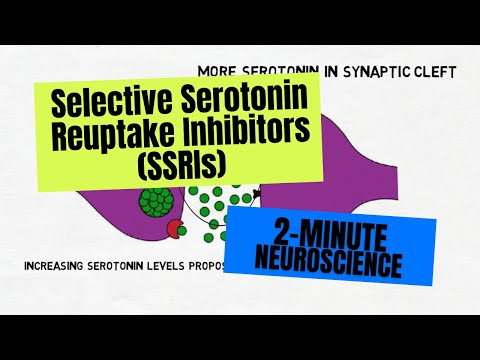
So, let’s talk about SSRIs. You know, those meds that people often mention when discussing depression and anxiety? Well, they’re more than just that. Seriously! They can actually play a part in managing pain too.
I remember a friend of mine who had been struggling with anxiety. And one day, they were prescribed an SSRI. At first, there was hope for the mental health stuff. But then—surprise!—they noticed their chronic back pain lessened a bit too. Wild, right?
It’s pretty fascinating how our brains work. These meds tweak things at a chemical level, making life feel a little less heavy. So, if you’re curious about the connection between SSRIs, mental health, and pain management, stick around! There’s definitely more to unpack here.
Top Antidepressants for Managing Nerve Pain: A Comprehensive Guide
Managing nerve pain can be a real struggle, and sometimes it overlaps with mental health issues like depression or anxiety. You know, that double whammy? One approach that’s gained traction is using certain antidepressants, particularly SSRIs (Selective Serotonin Reuptake Inhibitors).
SSRIs aren’t just for mood; they can actually help with chronic pain too. It’s kinda wild how our brains work, right? When we increase the level of serotonin in the brain, it doesn’t just lift our mood—it can also affect how we experience pain. So let’s take a closer look.
How SSRIs Help with Pain
You might be wondering, “How does this even work?” Well, when serotonin levels go up, it can change the way your brain reacts to pain signals. Basically, by boosting serotonin, these meds help your nervous system handle pain better.
Some Common SSRIs
There are a few common SSRIs that doctors might prescribe for nerve pain:
Now let me tell you about my buddy Alex. He struggled with nerve pain after an injury and was feeling pretty down about life in general. His doctor suggested trying an SSRI along with physical therapy. After a few weeks, not only did his mood start to brighten up but he noticed his pain felt more manageable—less sharp and stabbing. Totally transformed his daily routine!
Side Effects to Consider
But before jumping on board the SSRI train, you should know—they do come with potential side effects like nausea or insomnia. Sometimes people feel a little more anxious before they feel better as their body adjusts. It’s important to chat openly with your doctor about what to expect.
The Balance of Treatment
Using SSRIs isn’t always the whole answer though; they’re often part of a bigger treatment plan that might include therapy or lifestyle changes like exercise and nutrition improvements. There really isn’t a one-size-fits-all solution here.
In summary, if you’re dealing with both nerve pain and mental health challenges, SSRIs could be worth looking into as part of your treatment journey. They won’t solve everything overnight but can definitely play a role in helping you feel better overall!
Top Antidepressants for Managing Pain and Anxiety: A Comprehensive Guide
Antidepressants are like a double-edged sword when it comes to managing pain and anxiety. Seriously, they have this unique ability to help lift your mood while also easing physical discomfort. One of the main types you might hear about are SSRIs, or selective serotonin reuptake inhibitors. They work by increasing levels of serotonin in your brain, which can really help with both emotional and physical pain.
SSRIs and Pain Relief
So, what’s the deal with SSRIs and their pain-fighting powers? Well, studies suggest that these meds can help reduce certain types of chronic pain. For instance, if you’re dealing with conditions like fibromyalgia or even migraines, SSRIs like fluoxetine (Prozac) or sertraline (Zoloft) could actually make a difference. Honestly, who wouldn’t want less pain?
Anxiety Management
When it comes to anxiety, SSRIs are often considered the first line of defense. They tend to be well-tolerated and have fewer side effects compared to older antidepressants. You see improvements in things like social anxiety or generalized anxiety disorder over time. It’s not instant relief—more like a gradual lifting of that heavy fog you’ve been carrying around.
Common SSRIs
Here’s a quick rundown of some common SSRIs you might hear about:
- Fluoxetine (Prozac): Often prescribed for major depressive disorder and anxiety.
- Sertraline (Zoloft): Works wonders for social anxiety and PTSD too.
- Citalopram (Celexa): Known for its effectiveness in treating depression.
- Escitalopram (Lexapro): A popular choice for generalized anxiety disorder.
It’s kind of eye-opening how an antidepressant can be so versatile.
Side Effects
Of course, no medication is perfect. Some people experience side effects while taking SSRIs—like nausea, sleep issues, or weight gain—but many find that these settle down after a few weeks. That said, if you’re feeling worse instead of better after starting a medication—and I mean really worse—it’s good to have chat with your doctor.
You know how sometimes you just need someone who gets it? A friend told me how she struggled for months with debilitating anxiety that made everyday life feel unbearable. Once she started on an SSRI, she noticed things began to shift gradually—from feeling panicked all the time to being able to enjoy simple moments again. It was a game changer!
A Holistic Approach
While SSRIs can be effective tools in managing both pain and anxiety, they often work best when paired with therapy or lifestyle changes. Therapy techniques like cognitive-behavioral therapy can provide valuable coping strategies too. Strengthening your support system—be it friends or family—is equally important.
In short, if you’re considering SSRIs for pain and anxiety management, it’s worth having an open conversation with your healthcare provider about what might work best for you personally! Just remember—everyone responds differently to medications; what works wonders for one person may not work the same way for another.
So yeah, understanding both mental health and physical health is super complex but also essential if you aim to feel better overall!
The Best Antidepressants for Managing Pain: A Comprehensive Guide
When we’re talking about depression and pain, it can feel like a heavy weight on your shoulders, right? So many people struggle with both. The thing is, certain antidepressants, especially SSRIs (Selective Serotonin Reuptake Inhibitors), can play a role in helping manage that pain while also addressing mental health issues. Pretty cool, huh?
SSRIs work by increasing the levels of serotonin in your brain. That’s important because serotonin helps regulate mood and can even influence how we feel physical pain. Basically, if you’re feeling better emotionally, you might also notice a reduction in your physical discomfort.
Let’s dive into some key points about SSRIs and their connection to managing pain:
- Common SSRIs: Medications like fluoxetine (Prozac), sertraline (Zoloft), and escitalopram (Lexapro) are often prescribed.
- Pain Conditions: SSRIs have been shown to help with conditions like fibromyalgia, chronic migraines, and even neuropathic pain.
- Mood Improvement: By improving your mood, you may find you’re more resilient when facing physical discomfort.
- Dosage Considerations: Sometimes the dosage for managing pain might differ from what’s used for depression alone. Always consult your doctor for what works best!
Now here’s an interesting story—there’s this lady named Sarah who had been dealing with chronic back pain for years. She also struggled with anxiety and mild depression. After talking to her doctor about it all, they decided to try sertraline. It didn’t just lift her spirits; over time, she noticed that her back didn’t hurt as much either! It’s not a miracle cure or anything but definitely worth exploring.
But hey, not everyone reacts the same way to these medications. Some folks might experience side effects like nausea or changes in appetite when they start taking SSRIs. And that can be frustrating! You know how it is—sometimes trying to fix one thing can seem to mess up another.
Another thing worth noting is that while SSRIs can be helpful for some types of pain, they’re usually not the first line of treatment specifically for pain management. Doctors may explore other options alongside or before considering antidepressants.
So if you’re thinking about this path, just keep communication open with your healthcare provider. They’ll help you figure out what treatment plan makes the most sense for you personally.
In short? SSRIs have shown promise in managing both mental health issues and certain types of chronic pain. They’re not a one-size-fits-all solution but definitely something worth considering if you’re navigating these challenges together!
So, SSRIs, or selective serotonin reuptake inhibitors, are those medications that have been floating around for a while now. They’re mostly known for helping with anxiety and depression. But what’s really interesting is how they also seem to play a role in managing pain. I remember chatting with a friend who had been struggling with chronic pain for years. She was on these meds, and while her mental health definitely improved, something unexpected happened—her pain levels dropped too. It was like a double whammy!
You see, SSRIs boost serotonin in the brain, which can help regulate mood and emotional responses. But here’s where it gets kind of fascinating: serotonin is also involved in pain perception! So basically, by helping your brain balance those chemicals, SSRIs can ease both emotional and physical suffering.
But it’s not as simple as popping a pill and feeling great. Everyone’s body reacts differently to medications. What works wonders for one person might not do much for another. And sometimes there are side effects—yikes! A friend of mine found herself feeling super jittery after starting an SSRI; it was like she had coffee running through her veins all day long.
Despite that, there’s real value in finding the right balance of medications for managing both mental health and pain. You might find yourself feeling less anxious or depressed while also noticing your physical discomfort easing up a bit. It’s like finding that sweet spot where you can finally breathe easier.
So yeah, SSRIs can be a helpful tool in your toolbox if you’re dealing with overlapping mental health issues and chronic pain—it’s all intertwined in some way! Just remember: it’s always worth chatting with your doc about what feels right for you because no two journeys are the same.