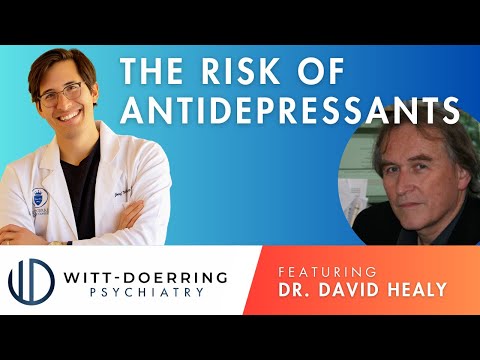
So, let’s chat about something that doesn’t really get a lot of buzz—SSRIs and stroke risk. Yeah, I know, it sounds kinda heavy. But it’s super important if you or someone you care about is dealing with mental health stuff.
You’ve probably heard about SSRIs, right? Those are those go-to meds for depression and anxiety. They help a ton of people feel better and get back on track. But, like anything in life, there are some things to think about when it comes to long-term use.
Now, what if I told you there might be a link between taking these meds and having a stroke? Kinda makes you stop and go, “Wait, what?”
We’re gonna break down the nitty-gritty behind this connection. It’s all about understanding the pros and cons so you can make the best choices for your health or help someone else navigate these waters. You with me? Great! Let’s jump in!
The Long-Term Use of Lexapro: Can You Stay on It Forever?
The long-term use of Lexapro, which is a commonly prescribed SSRI (selective serotonin reuptake inhibitor), raises some important questions around safety and effectiveness. It’s normal to wonder if you can stay on it indefinitely. So, let’s break it down.
First off, Lexapro is typically used to manage anxiety and depression. For some folks, it’s a real game changer. But like any medicine, it isn’t without its issues. One of the things you should consider is that while many people can take Lexapro for years without major problems, the long-term effects aren’t fully understood.
What happens if you’re on Lexapro for years? As time goes by, your body might react differently to the medication. Some people experience side effects over time that they didn’t have when they first started taking it. This could be anything from weight gain to changes in libido. And let me tell you—it can be frustrating figuring out what’s a side effect and what’s just life throwing curveballs at you.
Now, regarding staying on Lexapro forever? Well, there isn’t a one-size-fits-all answer to that question. Doctors will often evaluate your situation regularly, which includes looking at your mental health status and any side effects you’re experiencing.
- If you’ve been stable for a while—meaning your symptoms are under control—you might start discussing tapering off.
- However, if you struggle with relapses or severe symptoms when trying to reduce dosage or quit altogether, staying on it longer could be the better option.
- Your doctor may also monitor for other health risks related to long-term use like stroke risk—something recent studies have looked into more closely.
That brings us to the connection between SSRIs like Lexapro and potential stroke risk—yeah, it’s quite the topic! There are mixed findings out there; some studies hint at an increased risk while others say it’s not significant enough to worry about in most cases. The thing is: these meds affect everyone differently.
Let’s make this personal for a second. Imagine Sarah—a friend who’s been on Lexapro for eight years after going through a tough bout with anxiety after losing her job. At first, she felt like herself again—things were looking up! But as time passed she noticed her energy levels dipping and she started putting on weight. Her doctor talked with her about tapering off gradually but also emphasized that if she felt more anxious or low during that process, they would adjust accordingly.
So yeah, regular check-ins with your healthcare provider are super important! Also worth mentioning: don’t stop taking SSRIs abruptly. That can lead to withdrawal symptoms or make your anxiety or depression worse.
Exploring the Impact of Antidepressants on Psychic Abilities: Myths and Realities
Hey, let’s unpack this whole idea about antidepressants and how they interact with our minds, especially those thoughts around psychic abilities. It can get pretty murky, so I’ll try to keep it clear and straightforward.
First off, antidepressants, particularly SSRIs (selective serotonin reuptake inhibitors), have been in the spotlight for a while now. They’re commonly used to help treat depression by increasing levels of serotonin in the brain. Serotonin is often considered a «feel-good» neurotransmitter, but it’s important to remember that it doesn’t magically fix everything.
Now, some folks have tossed around ideas that these medications could somehow enhance or mess with psychic abilities—like intuition or extrasensory perception. It’s a fascinating notion, sure! But there’s little evidence to back that up. Basically, while SSRIs can alter your mood and outlook on life, they don’t give you superpowers.
On another note, there’s been some chatter about how SSRIs might relate to health risks like stroke. Studies have shown various links between SSRI use and stroke risk, but the data isn’t entirely clear-cut. Here are a few points to consider:
- Potential Risks: Some research suggests that long-term SSRI use could lead to an increased risk of certain types of stroke.
- Individual Variation: The effects can really differ from person to person. Your overall health history and other medications could play huge roles.
- Medical Guidance: If you’re on antidepressants and concerned about your health risks—including stroke—chatting with your doctor is key.
It’s also worth mentioning how depression itself can affect cognitive functions—some people report feeling less sharp when they’re down in the dumps. But again, that’s different from having psychic abilities.
When we talk about emotional states influenced by SSRIs, it’s more realistic to think about clarity—not necessarily some supernatural insight into events beyond our understanding. There’s something empowering about managing mental health through medication or therapy that helps restore energy and focus.
For example, someone who has battled severe depression might find relief with an SSRI treatment. They might feel lighter and start reconnecting with their surroundings and loved ones again! That shift isn’t due to any newfound psychic powers; it’s just someone feeling better mentally.
So when discussing antidepressants like SSRIs in relation to mental health and potential physical risks like stroke—keep it all grounded in reality. Treatment’s aim is focused on improving mental well-being so you can enjoy life more fully—not turning anyone into an oracle or anything.
In summary, SSRIs are vital tools for many dealing with depression but don’t expect them to unlock mystical powers or guarantee perfect health outcomes without proper monitoring from healthcare professionals. Well-being is all about balance!
Understanding SSRIs: How Selective Serotonin Reuptake Inhibitors Impact Brain Function
So, let’s talk about SSRIs—those are Selective Serotonin Reuptake Inhibitors. They’re a big deal in the world of mental health and are often used to treat depression and anxiety disorders. You might be wondering how these meds actually work, and, like, what they do to your brain.
Basically, SSRIs help increase the levels of serotonin in your brain. **Serotonin** is a neurotransmitter that’s super important for regulating mood, feelings of happiness, and even sleep. When you experience depression or anxiety, sometimes your brain doesn’t make enough serotonin or doesn’t use it effectively. That’s where SSRIs come in.
When you take an SSRI, it blocks the reabsorption (or “reuptake”) of serotonin in your brain. And this means there’s more serotonin hanging around to boost your mood! Neat, right? But here’s the thing: while SSRIs can be incredibly helpful for many people, they aren’t without risks.
Recent studies have looked into the relationship between **SSRI use and stroke risk**. It turns out that some research suggests that long-term SSRI use could potentially be related to an increased risk of stroke for certain individuals—especially among older adults or those with other risk factors like high blood pressure or diabetes.
Now don’t freak out! Just because there’s a relationship doesn’t mean everyone taking SSRIs will have a stroke. But it’s definitely something worth discussing with a healthcare provider if you’re concerned about your medication.
Here are some key points about SSRIs and their impact:
- Common SSRIs: Some common examples include fluoxetine (Prozac), sertraline (Zoloft), and escitalopram (Lexapro).
- How they help: They can alleviate symptoms of depression and anxiety by improving mood through increased serotonin levels.
- Potential side effects: Some folks experience side effects such as nausea, weight gain, or sexual dysfunction when taking these meds.
- Stroke connection: While there may be some connection with stroke risk in certain populations, more research is needed for conclusive evidence.
It’s important to keep an open line of communication with your doctor when you’re on these kinds of medications. If you’re feeling any weird side effects or just not yourself anymore, don’t hesitate to reach out to them—it really matters.
And you know what? Everyone’s experience with medication is different. If you’re considering starting an SSRI or are currently on one, just remember: **You’re not alone** in this journey! Whether it’s talking to friends who’ve been there or reaching out for professional advice—support is key!
So, you might’ve heard about SSRIs, or selective serotonin reuptake inhibitors. They’re these meds people often take for depression and anxiety. You know, the ones that help keep your mood in check by boosting serotonin levels? But recently, there’s been some chatter about how they might be linked to an increased risk of strokes. Yeah, kind of a big deal, right?
Let me tell you a little story. A friend of mine was struggling with anxiety for years. After trying all sorts of things—therapy, meditation—you name it—she finally started on an SSRI. And wow, within weeks she felt like a cloud had been lifted! Life got brighter; she could finally enjoy her coffee without constantly worrying about the world ending. But then, during one of our chats over brunch, she mentioned reading something about stroke risk associated with SSRIs. Suddenly that little shadow crept back in—like, should she be worried now?
It’s tough because on one hand, these medications can really improve quality of life for many folks—but on the other hand, there’s this looming question about potential risks. Some studies suggest that while SSRIs can lead to healthier mental states and reduce the chances of stress-related health issues (which can contribute to stroke), other research hints at an uptick in stroke events among users.
But here’s where things get tricky: it’s not just about the drug itself but also factors like age and existing health issues. So if someone has a history of heart problems or is older than a certain age group, their risks might look different than someone younger and healthier just trying to find balance in their life.
If you think about it, navigating mental health treatment is like walking through a maze. You’ve got to weigh out what works best for you personally while keeping an eye on any side effects or risks involved. It definitely feels overwhelming at times.
Anyway, if you’re grappling with whether SSRIs are right for you—or if anxiety has you second-guessing everything—it might be worth chatting with your doctor about your specific situation and any concerns you have regarding stroke risk or anything else. Seriously; it’s all about finding that balance between managing mental health and keeping your physical self in check too. Keep those lines of communication open!