So, let’s chat about something that pops up a lot in the world of mental health: SSRIs. You know those meds that everyone seems to be talking about? Yeah, they’re a big deal.
But here’s the thing—sometimes, people need a little extra help on top of them. That’s where SSRI blockers come into play. Sounds kinda technical, right? But stick with me.
Imagine you’re trying to find the right puzzle piece for your mental well-being. Sometimes the usual pieces just don’t fit snugly.
We’re diving into what these blockers do and how they can make a difference for folks dealing with anxiety, depression, or whatever struggles they face. So, grab your coffee or tea, and let’s unpack this together!
Understanding SSRI Side Effects: What You Need to Know for Better Mental Health
SSRIs: What are They?
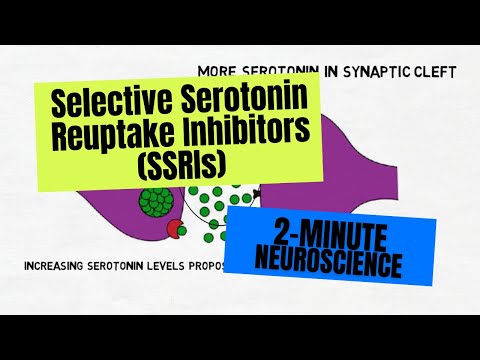
So, SSRIs, or selective serotonin reuptake inhibitors, are a type of medication often prescribed for depression and anxiety. They help increase the level of serotonin in your brain, which can boost your mood. Sounds good, right? But like anything else, they come with their own set of side effects.
Common Side Effects
First off, let’s talk about some of the typical side effects you might experience if you’re taking an SSRI. Just because they seem common doesn’t mean they’re fun to deal with! Here are a few:
- Nausea: Feeling queasy? That’s pretty common when starting an SSRI.
- Fatigue: You might feel tired or low on energy, which can be frustrating.
- Weight Changes: Some folks gain weight while others might lose it. It’s a mixed bag.
- Sleeplessness: Insomnia is another possible effect. Good sleep is so important, right?
- Sexual Dysfunction: This one’s awkward but real; it may affect libido or ability to orgasm.
It’s kind of like getting a surprise party invitation—not all surprises are good!
The Emotional Rollercoaster
Now let me tell ya, the emotional aspect can be all over the place too. Imagine starting a new job—exciting but nerve-wracking! SSRIs can sometimes cause mood swings as your body adjusts to the medication. You may feel happy one minute and then hit a low the next. Most people find that these ups and downs usually settle down after a few weeks.
Your Body Needs Time
When you begin taking SSRIs, give yourself some grace. It takes time for your body to adapt! The changes might not be immediate; often it can take several weeks before you start feeling better consistently.
Tapering Off Gradually
If you and your healthcare provider decide that it’s time to stop SSRIs or switch medications, doing it gradually is really important. Cold turkey isn’t just uncomfortable—it can lead to withdrawal symptoms like dizziness or flu-like feelings. Nobody has time for that!
Communicate with Your Doctor
The key here is keeping an open line with whoever is managing your treatment. Be honest about what you’re experiencing—good or bad—so adjustments can be made if necessary.
If You’re Struggling…
Let’s not sugarcoat this: mental health treatment isn’t always straightforward. Some people find they need more than just medication—like therapy or lifestyle changes—to really feel better.
So next time you’re at your doc’s office discussing SSRIs or any kind of medication, remember to ask questions! Don’t shy away from talking about those pesky side effects because understanding what you’re going through is half the battle.
Stay informed, take care of yourself, and don’t hesitate to reach out for support whenever you need it!
Comprehensive Guide to SSRIs: List of Common Selective Serotonin Reuptake Inhibitors
Sure! Here we go with some straightforward info on SSRIs.
Selective Serotonin Reuptake Inhibitors, or SSRIs for short, are a type of antidepressant that’s commonly used to treat conditions like depression, anxiety, and panic disorders. The basic idea behind these medications is that they increase levels of serotonin in the brain. Serotonin is a neurotransmitter that plays a big role in mood regulation. You know how sometimes you just feel “off”? Well, low serotonin levels can contribute to that feeling.
So, how do SSRIs work? They block the reabsorption (or reuptake) of serotonin in the brain. This means more serotonin sticks around to help improve your mood and make you feel better! Like having extra sprinkles on your ice cream—who wouldn’t want that?
Here’s a list of some common SSRIs:
- Fluoxetine (Prozac):
- Citalopram (Celexa):
- Escitalopram (Lexapro):
- Paroxetine (Paxil):
- Sertaline (Zoloft):
This is one of the most well-known SSRIs. It can help with depression, obsessive-compulsive disorder (OCD), and even bulimia.
This one’s often prescribed for depression and anxiety. Sometimes people report it helps them feel more relaxed overall.
This is basically an upgraded version of citalopram and can be super helpful for both depression and anxiety.
This one’s often used to treat generalized anxiety disorder and panic disorder.
Zoloft helps with depression and also works wonders for PTSD and social anxiety disorder.
It’s important to keep in mind that while SSRIs can be effective, they don’t work for everyone. Seriously, some people might not notice any improvement or might experience side effects like weight gain or sleep disturbances. It’s kind of like trying on shoes—they might look great but pinch your toes too much!
When starting an SSRI, give it time. They usually take about 4 to 6 weeks before you notice significant changes. So don’t stress if you don’t feel immediate relief; it’s all part of the process.
Also, stopping these meds suddenly isn’t a good idea without talking to your doc first! It can lead to withdrawal symptoms like dizziness or flu-like feelings—so not fun.
In summary, SSRIs are a crucial tool in mental health treatment for many people who struggle with mood disorders. Finding the right medication can be a bit like dating—you’ll need to try a few before finding out which one really fits well with you.
Remember: always talk to your healthcare provider about what feels right for you!
Unlocking the Benefits of SSRIs: How Selective Serotonin Reuptake Inhibitors Can Improve Your Mental Health
Alright, let’s break down SSRIs and how they can be a game changer for your mental health. Seriously, these little pills have made such a difference for so many people.
What are SSRIs? Well, SSRIs stands for Selective Serotonin Reuptake Inhibitors. It’s a mouthful, I know! But basically, these medications help increase the levels of serotonin in your brain. And serotonin is super important for mood regulation. Think of it as a friend that helps keep you feeling balanced and happy.
So why would someone take SSRIs? One major reason is to tackle depression. You know that heavy feeling when everything just feels gray? SSRIs can lighten that load by improving mood over time. It’s like having a supportive buddy standing by your side.
But they don’t just help with depression; they can also be beneficial for anxiety disorders too! If you’ve ever felt tightness in your chest or racing thoughts, these medications might help calm that storm. By adjusting the amount of serotonin in your brain, they create this sense of ease.
Now, let’s chat about some potential benefits of taking SSRIs:
- Improved Mood: Users often report feeling more positive and engaged in life.
- Reduced Anxiety: Many find their anxious thoughts start to fade away.
- Smoother Emotional Regulation: Instead of swinging from high to low like a pendulum, emotions can feel steadier.
It’s worth noting though—SSRIs aren’t a one-size-fits-all solution. Everyone’s brain chemistry is different! Some folks may experience side effects like nausea or headaches at first but often these fade with time. There was this one friend I had who felt kind of nauseous at first but decided to stick with it—and after a few weeks, she started feeling like herself again.
Another thing to keep in mind is that it can take several weeks before you notice any real changes after starting an SSRI. So patience is key here. If you’re considering this route, definitely talk with your doctor about what to expect.
Also, one big myth out there? That taking an SSRI means you’re weak or can’t handle things on your own—that’s so not true! Mental health struggles are real and asking for help is actually super brave.
When you’re on SSRIs, regular check-ins with your doctor are essential too! This way you can tweak the dosage if needed or even explore whether combining them with therapy might work best for you.
In summary: SSRIs have helped countless people manage their mental health challenges by boosting those serotonin levels and improving overall mood and well-being. They aren’t some magic pill but can be really effective as part of a broader treatment plan involving therapy and support from loved ones.
So if you’ve been considering them or want to know more about how they could fit into your mental health journey—don’t hesitate to reach out to someone who knows their stuff! You deserve all the support available on this ride toward better mental wellness.
So, you know, when we talk about mental health treatments, SSRIs often come up. SSRIs are selective serotonin reuptake inhibitors. Sounds fancy, huh? Basically, these meds help balance the serotonin levels in your brain. This can be a game-changer for folks dealing with things like depression or anxiety. But here’s where it gets a bit tricky.
There are times when you’re just not responding well to an SSRI. Maybe it’s like trying on shoes that just don’t fit, no matter how hard you try to make them work. I remember a friend who was battling severe anxiety. She started on an SSRI and was hopeful at first. But soon enough, she felt really foggy and detached from everything around her—it was like living in grayscale while everyone else was off enjoying bright colors.
This is where the idea of “SSRI blockers” pops up, which isn’t really about blocking SSRIs but more about looking at different approaches if those meds aren’t doing their job. Sometimes doctors might suggest switching to another type of medication or adding something else into the mix to help shake things up a little.
Navigating this whole process can feel overwhelming. You might be going back and forth between appointments or reading up on different options online until your eyes glaze over! And then there’s the emotional toll—trying to find what helps can feel frustrating and exhausting. The thing to remember is it’s all about finding what works for you as an individual.
There’s also a conversation happening around how medications should be combined with therapy—like that classic peanut butter and jelly combo! Therapy can offer support alongside medication, helping you explore thoughts and behaviors while medications help with the biological side of things.
It can feel like a maze sometimes—lots of twists and turns before you find that path that feels right for you. Just know that it’s okay to voice your concerns with your healthcare provider, ask questions, and keep pushing for what feels appropriate for your mental well-being. It’s absolutely okay if one size doesn’t fit all!