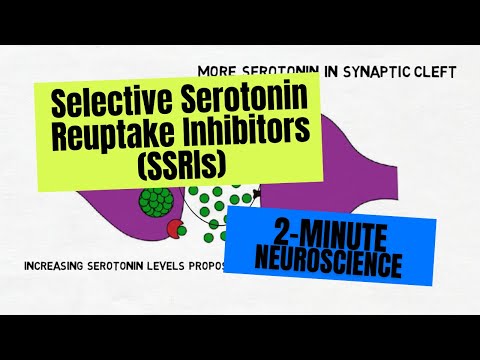
So, SSRIs, right? They’re everywhere when we talk about mental health. You’ve probably heard of them even if you don’t know exactly what they are.
Basically, these medications help with mood swings, anxiety, and all that stuff. It’s wild how they can make a difference in someone’s life.
I mean, can you imagine feeling stuck in a fog and then suddenly seeing things clearer? That’s what SSRIs can do for some people.
But hey, there’s more to the story than just popping a pill. Their classification and how they fit into the bigger mental health picture is super interesting—and kind of important if you ask me!
Comprehensive Guide to SSRI Medications: Complete List and Benefits for Mental Health
So, let’s chat about SSRIs—Selective Serotonin Reuptake Inhibitors. You might’ve heard of them if you or someone you know has dealt with depression or anxiety. They’re like little helpers for your brain, nudging it toward a more balanced mood.
What are SSRIs? These medications work by increasing the levels of serotonin in your brain. Serotonin is a neurotransmitter—a fancy word for a messenger that carries signals in your brain—that helps regulate mood, sleep, and other functions. When serotonin levels are low, it can lead to feelings of sadness and worry.
Common SSRIs include:
- Fluoxetine (Prozac) – popular for treating depression and OCD.
- Sertaline (Zoloft) – often used for anxiety disorders.
- Citalopram (Celexa) – mainly prescribed for major depressive disorder.
- Escitalopram (Lexapro) – well-liked for general anxiety and depression.
- Paroxetine (Paxil) – helps with panic disorder as well.
Many folks find that these meds help reduce the symptoms they’re facing. Imagine feeling like a heavy blanket is lifted off you after being on one of these. It’s pretty common to hear stories where people finally feel like they can engage with life again. But hey, everyone’s journey is unique, right?
The benefits? Well, here are some key points:
- Easier emotional regulation: Less overwhelm when faced with stressors.
- Anxiety reduction: Helps calm those racing thoughts and that knot in your stomach.
- Mood improvement: It’s like finding color again in a black-and-white world.
But SSRIs aren’t one-size-fits-all; they may take a while to kick in—often several weeks! And side effects can happen too, like weight gain or fatigue. Some people might even experience “brain zaps,” which sounds as weird as it feels! Seriously though, it’s those little shocks some notice if they miss a dose or stop taking them suddenly.
Remember that getting the right SSRI often involves some trial and error under your doctor’s guidance. It’s super important to keep an open line of communication with your healthcare provider throughout this process.
In the end, SSRIs can be incredibly helpful but they’re just one part of a bigger picture when considering mental health treatment. Therapy, lifestyle changes, and support from friends or family are all powerful tools too!
Understanding SNRIs: Benefits, Side Effects, and Uses in Mental Health Treatment
Understanding SNRIs is pretty essential if you’re delving into mental health treatment options. So, let’s unpack these medications together.
SNRIs, or **Serotonin-Norepinephrine Reuptake Inhibitors**, are a class of antidepressants. They work by increasing levels of two crucial neurotransmitters in your brain—**serotonin** and **norepinephrine**. You see, serotonin helps regulate mood, while norepinephrine plays a role in alertness and energy levels. The combination can really help boost your mood and alleviate depression symptoms.
Now, let’s chat about the benefits of SNRIs. They can be quite effective for:
- Major Depressive Disorder: Many folks find relief from their depressive symptoms after starting an SNRI.
- Generalized Anxiety Disorder: If you’re feeling excessively anxious all the time, these meds might help calm things down.
- Pain Management: Believe it or not, some SNRIs can also assist in managing chronic pain conditions.
But it’s not all sunshine and rainbows. Like any medication, SNRIs come with potential side effects. Some common ones include:
- Nausea: This can happen when you first start taking them.
- Drowsiness or insomnia: It might affect your sleep patterns either way.
- Dizziness: A feeling of lightheadedness is pretty common as well.
And it gets a bit tricky because discontinuing SNRIs suddenly can lead to withdrawal symptoms like flu-like aches or changes in mood—definitely not fun! So if you’re prescribed one, it’s vital to work closely with your doc about how to stop taking them properly.
It’s also important to note that not everyone responds the same way to SNRIs. You might feel better after just a few weeks, while others may take longer to notice improvements. Oh, and if you happen to experience any unusual side effects or severe reactions—like suicidal thoughts—reaching out for help immediately is crucial.
In terms of their relationship with other classes of antidepressants like SSRIs (Selective Serotonin Reuptake Inhibitors), the big difference lies in how they affect those neurotransmitters we talked about earlier. SSRIs focus mainly on serotonin levels while SNRIs add norepinephrine into the mix, which can be beneficial for people who don’t find relief from SSRIs alone.
So yeah, whether you’re exploring options for depression or anxiety management—or even considering helping with chronic pain—SNRIs could be worth discussing with your healthcare provider. Just keep in mind that finding the right treatment often takes some testing and patience. It’s about figuring out what works best for *you*.
Understanding SSRI Side Effects: What You Need to Know for Mental Health Management
So, you’re curious about SSRI side effects? Good call. Selective Serotonin Reuptake Inhibitors (SSRIs) are a big deal in mental health treatment, right? They help with conditions like depression and anxiety by boosting serotonin levels. But hey, with benefits come potential side effects. Let’s break it down.
What Are SSRIs?
SSRIs are a class of medications that focus on increasing serotonin. This chemical plays a role in mood regulation. Common SSRIs include fluoxetine (Prozac), sertraline (Zoloft), and citalopram (Celexa). So, they’ve become a go-to for many folks dealing with mental health issues.
Common Side Effects
Side effects can vary widely from person to person. Some may not notice any at all! But here are some that people often report:
- Nausea: Feeling queasy is quite common when starting SSRIs, but it often gets better after the body adjusts.
- Weight Changes: Some people gain weight; others might lose it. It really depends.
- Sleep Issues: You might feel sleepy or have trouble sleeping—total mixed bag!
- Sexual Dysfunction: Yeah, this one can be particularly frustrating. It might lead to delayed orgasm or reduced libido for some.
- Dizziness: Some folks report feeling lightheaded, especially when standing up too quickly.
It’s important to remember that not everyone will experience these side effects.
The Adjustment Period
Starting SSRIs requires a bit of patience. Usually, side effects are more pronounced in the beginning but tend to lessen as your body adjusts—usually within a few weeks. It’s kind of like getting used to new shoes; they might pinch at first but eventually fit just fine.
Tolerability and Individual Experience
The thing is, everybody reacts differently to these meds. For example, your friend might feel great on sertraline while you could experience some bad headaches on the same dose. If something feels off or you experience serious issues, don’t hesitate to reach out to your doctor.
Mental Health Management
SSRI side effects can be tough, but managing them is possible! Here’s what you can do:
- Communicate: Keep an open line with your healthcare provider about how you’re feeling.
- Saw through lifestyle changes: Eating well and exercising can help smooth things out.
- Dose adjustments: Sometimes minor tweaks in dosage can alleviate pesky side effects while keeping the benefits coming.
Really, listening to your body matters—a lot!
The End Game
So yes, while there are potential downsides to SSRIs, many find the positives outweigh them completely in the long run. Just remember: it’s all about finding what works best for *you*. Mental health management isn’t one-size-fits-all.
And if something doesn’t feel right? Speak up! You deserve to feel as good as possible while navigating this journey.
You know, when it comes to mental health, we often hear about medications like SSRIs, which stands for Selective Serotonin Reuptake Inhibitors. That’s a mouthful, right? But the cool thing is, they play a pretty important role in treating conditions like depression and anxiety. Basically, these meds work by boosting serotonin levels in your brain—serotonin being that little neurotransmitter that helps regulate mood, sleep, and overall happiness.
I remember a friend of mine who struggled with depression for years. Just getting out of bed felt like climbing a mountain. After trying different therapies and lifestyle changes, she eventually started taking an SSRI. At first, she was pretty nervous about it—wondering if it would really help or if she’d just feel like a zombie. But after some time on the medication, she experienced this shift. It was like seeing color return to her life. She began to feel more “herself,” engaging with friends and hobbies again.
Now, not every person will have the same experience with SSRIs—for some people they work wonders while others might not feel much change at all or could face side effects. That’s why it’s super important to work closely with a healthcare professional when considering these medications.
SSRIs are categorized into different types based on their chemical structure and how they affect serotonin levels—fluoxetine (you might know it as Prozac), sertraline (Zoloft), and escitalopram (Lexapro) are some common examples. They’re usually taken daily and can take weeks to really kick in; it’s like planting seeds—you’ve got to give them time to grow.
So yeah, while SSRIs might not be the only answer for everyone dealing with mental health issues, they can be an essential part of the puzzle for many folks out there looking for relief from their struggles. It’s all about finding what works best for you personally and having that support system along the way!