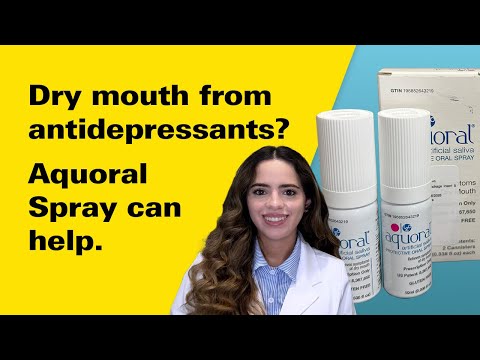
So, let’s talk about SSRIs. They can be lifesavers for folks battling anxiety or depression. But here’s the thing—sometimes they come with a not-so-fun side effect: dry mouth.
You know that annoying feeling when your mouth feels like a desert? It’s weirdly uncomfortable, right? And when you’re trying to manage your mental health, dealing with that on top of everything else can feel like a lot.
But don’t sweat it! There are ways to tackle this pesky issue. Let’s figure out how to keep your spirits high while keeping your mouth feeling comfy. Sound good?
Understanding SSRIs: Do Side Effects Eventually Disappear?
So, you’ve started on an SSRI (Selective Serotonin Reuptake Inhibitor) and noticed that pesky dry mouth? You’re not alone! A lot of folks deal with this, and it can be uncomfortable. But what’s the deal with side effects like this? Do they ever just… go away?
First off, SSRIs are pretty common for treating depression, anxiety, and some other mood disorders. They work by increasing levels of serotonin in the brain. This sounds all good and helpful until you start facing those annoying side effects.
Now, when you begin taking SSRIs, there’s this adjustment period. Your body needs time to get used to the medication. For some people, those side effects — including dry mouth — can feel pretty strong at first. Like when you first switch up your routine at the gym; it’s awkward but might get easier over time.
So here’s something important: **side effects can diminish** for many people after a few weeks or even a couple of months. It doesn’t mean they will disappear completely for everyone; it really varies from person to person. Some folks find that their dry mouth lessens as their body adjusts to the medication.
But if that dry mouth is stubbornly sticking around? Well, there are a few tricks you can try to help manage it:
- Stay hydrated — drink water regularly.
- Chew sugar-free gum or suck on sugar-free candy; this can stimulate saliva production.
- Use a saliva substitute or oral moisturizer available at pharmacies.
- Avoid caffeine and alcohol since they can dry you out more.
It’s also a good idea to chat with your healthcare provider about what you’re experiencing. They might have additional suggestions or even consider adjusting your dosage or switching medications if it becomes too bothersome.
Now, I know how frustrating side effects can be… A friend of mine started taking an SSRI and was super excited about feeling better but then got hit with major dry mouth issues. She felt like she was constantly sipping water! After a while though, she found out ways to cope and even discovered her symptoms faded more than she expected.
In summary, while many people find their SSRI-related side effects soften over time — like that annoying itch in your throat after a cold — it doesn’t happen for everyone right away. Keep track of how you’re feeling and don’t hesitate to reach out for help if needed!
Understanding Dry Mouth Side Effects from Zoloft: Will They Disappear?
Alright, let’s talk about dry mouth, a common side effect of Zoloft (sertraline), which is one of those selective serotonin reuptake inhibitors (SSRIs) often used to treat depression and anxiety. First off, if you’re feeling like your mouth has turned into the Sahara Desert since starting Zoloft, you’re definitely not alone.
Dry mouth, also known as xerostomia, happens when your saliva production decreases. This can be pretty uncomfortable and annoying for many folks. You might find it hard to swallow or talk sometimes. It could even lead to bad breath!
So, will this pesky side effect ever go away? The answer is: maybe! For some people, dry mouth lessens over time as their bodies adjust to the medication. But for others, it might stick around longer than they’d like. Here’s what you should know:
- Duration: Generally, dryness in your mouth can improve after a few weeks of treatment as your body gets used to the medication.
- Hydration helps: Drinking plenty of water can alleviate some discomfort. Seriously, just keep sipping!
- Mouthwashes: There are specific mouth rinses designed for dry mouth that can provide relief.
- Candies and Gum: Sugar-free gum or candies might help stimulate saliva production—who knew candy could be a lifesaver?
- Talk to Someone: If it’s really bothering you, don’t hesitate to chat with your doctor. They may adjust your dose or suggest switching meds.
I remember my buddy Sam started taking Zoloft for his anxiety. After a week or so, he was like “I feel like I’m chewing on cotton balls!” He tried sipping water constantly and found that did ease things up a bit over time.
Now here’s the thing: while dry mouth is super common with SSRIs like Zoloft, it’s important to keep an eye out for any other potential side effects too—like changes in mood or sleep patterns—and mention them during follow-ups with your doctor.
You want to balance managing anxiety or depression while dealing with annoying side effects; it’s all part of the journey towards feeling better! So yeah, give it some time and try those tips; you may just find relief soon enough.
Effective Strategies to Alleviate Dry Mouth Caused by Antipsychotic Medications
Managing dry mouth, or xerostomia, when taking antipsychotic medications can feel like a bit of a struggle. It’s common and can really impact your comfort and quality of life. So, what can you do about it? Here are some effective strategies to help ease that pesky dryness.
Stay Hydrated
One of the simplest solutions is to drink plenty of water throughout the day. Not only does it help flush out your system, but sipping water regularly keeps your mouth moist. You know how we need hydration to function well? Your mouth is no different!
Chew Sugar-Free Gum or Candy
This might sound basic, but chewing on sugar-free gum or candy can stimulate saliva production. Look for options that have xylitol in them—it’s great for oral health and doesn’t contribute to cavities. Plus, it gives you something to do with your mouth when it feels dry.
Avoid Certain Foods and Drinks
Some things can make dry mouth worse. Try to steer clear of caffeine and alcohol, as they can dehydrate you even more. Spicy foods might irritate your already sensitive mouth too. It’s all about finding what works best for you!
Use Saliva Substitutes
There are products specifically designed for dry mouth relief like artificial saliva sprays or gels. They create a coating in your mouth that helps with moisture levels. Seriously consider keeping one handy—they’re super easy to use.
Maintain Oral Hygiene
Good dental care is key when dealing with dry mouth, especially since less saliva means higher risk for cavities and gum issues. Brush at least twice a day, floss regularly—and don’t forget those dental check-ups! Your dentist will appreciate the effort.
Talk to Your Doctor
If none of this seems to help, definitely reach out to your healthcare provider. They might adjust your medication or suggest other options tailored just for you. Sometimes there are also prescription medications available that target this very issue.
In the end, dealing with dry mouth while on antipsychotics isn’t ideal—but you’re not alone in this! You have options at your fingertips that can really help improve comfort levels and make daily life a little easier.
So, here’s the thing: if you’re taking SSRIs (which are pretty common antidepressants) and you’re suddenly feeling like you’re stuck in a desert with your mouth wide open, you’re definitely not alone. Dry mouth, or xerostomia as the fancy folks call it, is one of those side effects that sneak up on you when you’re trying to manage your mental health.
When I first started on an SSRI, I was thrilled—finally getting some relief from my anxiety. But then, this dry mouth hit me like a truck. It was weird and uncomfortable. You know those days when you forget to drink enough water? Yeah, imagine that multiplied by ten! It made me feel self-conscious and a bit anxious all over again. I remember this one time at work trying to speak during a meeting, and my mouth felt like sandpaper. I couldn’t focus on what I was saying; all I could think about was how desperately I needed water.
You might be wondering why SSRIs cause this lovely little side effect. The science behind it is that these medications affect serotonin levels in your brain. But they can also mess with the signals that tell your salivary glands to produce spit. And without enough saliva, everything feels awkward—eating, talking, even just relaxing.
So how do you manage it? Well, first off, staying hydrated is key. Carrying around a water bottle became my new best habit. Some people find sucking on sugar-free candy or chewing gum helps stimulate saliva production too. Even mints can be a game changer! Plus, keeping an eye on your caffeine intake helps since caffeine can dry you out even more.
I found talking about it with my doctor really helpful as well; they know so much about how these meds work and might be able to suggest adjustments or alternatives if it’s too bothersome for you. Sometimes it’s just about finding the right balance.
Dealing with dry mouth can feel annoying and isolating at times when you’re already navigating mental health challenges, but reaching out for help and sharing these experiences makes it less daunting—trust me on that! So yeah, hydration is your friend here because managing mental health should never come at the cost of feeling comfortable in your skin—or in this case, your mouth!