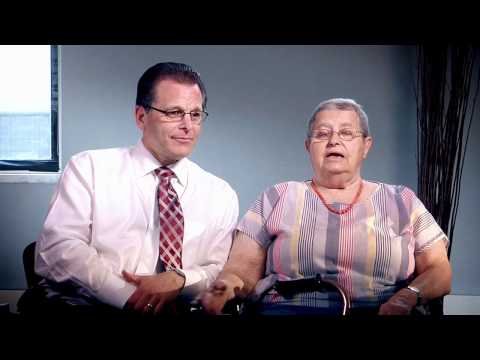
Mental health in older adults? Yeah, it’s a big deal. Seriously, it’s something we don’t talk about enough.
You see, mental health challenges can pop up at any age. But when you’re older, things get a bit complicated. Life changes like retirement, loss of loved ones, and health issues can weigh heavy.
Now, add medications into the mix—like SSRIs (that’s short for Selective Serotonin Reuptake Inhibitors). They’re super common for treating depression and anxiety. But how do they work for seniors?
Do they help or hurt? Let’s chat about that and dive into what SSRIs really mean for our elderly friends and family.
The Safest Antidepressants for Seniors: A Comprehensive Guide
When it comes to treating depression in seniors, finding the right antidepressant can feel like a juggling act. Aging brings its own set of challenges, and it’s essential to keep safety at the forefront. So, let’s break down some of the safest options out there, specifically focusing on SSRIs—these are Selective Serotonin Reuptake Inhibitors, if you want to get all technical about it.
SSRIs are often considered the first line of treatment for depression in older adults. Why? Well, they tend to have fewer side effects compared to some other classes of antidepressants. Some common SSRIs include:
- Sertraline (Zoloft)
- Escitalopram (Lexapro)
- Citalopram (Celexa)
Now, that doesn’t mean they’re without their downsides. Seniors can be a bit more sensitive to medications. For instance, they may experience **dizziness or an increased risk of falls** with some SSRIs, which is definitely something to keep in mind.
Here’s a little story: my neighbor Mr. Johnson is in his late 70s and was really struggling with sadness after losing his wife. He was hesitant about medication but eventually decided to give **escitalopram a try** after discussing it with his doctor. It took a few weeks, but he noticed a lift in his mood. Of course, he did experience some mild nausea at first—but with time that faded away.
Monitoring is key when prescribing these medications to seniors. Regular check-ins with their healthcare provider help track any side effects and ensure the dosage is appropriate for their age and overall health.
Another important point? Drug interactions. Older adults often take multiple medications for various health conditions, and that can complicate things! For example, if someone is on blood thinners or anti-anxiety meds alongside an SSRI, doctors need to be extra careful about how those drugs might affect each other.
Then there’s the issue of worsening cognitive decline. While SSRIs generally have minimal impact on memory or thinking skills compared to other types of antidepressants—like tricyclics—they still need close observation because every individual reacts differently.
So what about alternatives? If SSRIs aren’t suitable due to side effects or interactions, other options do exist:
- SNRIs (Serotonin-Norepinephrine Reuptake Inhibitors): like venlafaxine and duloxetine.
- Bupropion: can sometimes be effective too.
However, these can also come with their own set of potential hurdles for seniors.
The bottom line? Treating depression in older adults requires a thoughtful approach—balancing effectiveness with safety concerns is crucial here. Working closely with healthcare providers ensures that any chosen medication aligns well with their overall health picture and lifestyle.
Remember: every person’s journey through mental health is unique! What works wonders for one may not suit another as well—with support from loved ones and professionals alike, managing mental health becomes just a tad easier!
Top Antidepressants for Seniors: Managing Anxiety Effectively
Managing anxiety in seniors can be a real challenge, especially when you throw in the mix of depression. It’s like, one way or another, they often go hand-in-hand. You know? That’s where antidepressants, particularly **SSRIs (Selective Serotonin Reuptake Inhibitors)**, come into play. They’ve been used for a long time and can really help stabilize mood and ease that heavy weight of anxiety.
SSRIs work by increasing serotonin levels in the brain—a chemical that helps regulate mood. For seniors, their safety profile tends to be better than some older meds. Here are some commonly prescribed SSRIs:
- Fluoxetine (Prozac): Often one of the first choices because it has a solid track record and is usually well-tolerated.
- Sertraline (Zoloft): A favorite for treating both anxiety and depression; it’s often given a thumbs up from doctors due to its effectiveness.
- Citalopram (Celexa): This one’s nice because it’s gentle on the system, making it suitable for older adults.
- Escitalopram (Lexapro): Basically an upgrade from Citalopram with fewer side effects.
But while these meds can be lifesavers, side effects are still something to consider. You might see things like nausea, sleep disturbances, or even some dizziness—which isn’t great if you think about fall risks in older folks.
Now let’s talk about *aging*. Elderly bodies process medications differently than those of younger folks. For example, a senior’s liver and kidneys might not handle drugs as effectively anymore. Because of this, doctors usually start them on lower doses initially. Seriously, they’ll monitor how they respond pretty closely to make adjustments as needed.
And here’s something important: **medication isn’t everything**. Therapy can make a huge difference too! Cognitive Behavioral Therapy (CBT) is great at helping seniors challenge unhelpful thoughts that contribute to anxiety or depression.
It also helps to have support systems in place—family and friends who get what they’re going through can be super comforting. They can sometimes provide better emotional care than any pill could.
A quick story: I remember talking to this sweet lady named Margaret who was struggling with anxiety after losing her husband. She felt so alone and overwhelmed with every little thing—grocery shopping felt like climbing Everest! But after starting Sertraline with her therapist’s guidance, she began feeling lighter over time—it didn’t solve everything right away but gave her room to breathe again.
So yeah, SSRIs might just be part of the picture when managing anxiety for seniors—just don’t forget about therapy and social support! It’s all about finding that balance that works best personally for each individual senior out there navigating life’s ups and downs.
Top Antidepressants for Elderly Women: A Comprehensive Guide to Mental Wellness
It’s no secret that mental health can get a bit tricky as we age. For elderly women, this often means dealing with depression, anxiety, or just feeling a bit blah. And that’s where **antidepressants** come in. Many healthcare providers tend to prescribe **SSRIs** (Selective Serotonin Reuptake Inhibitors) because they’re generally safe and have fewer side effects than some older medications.
So let’s break down what you should know about SSRIs for elderly women:
What Are SSRIs?
These are a class of antidepressants that work by increasing serotonin levels in the brain, which helps regulate mood. Think of serotonin as a little chemical messenger that tells your brain to feel good. Common SSRIs include fluoxetine (Prozac), sertraline (Zoloft), and escitalopram (Lexapro).
Effectiveness
Studies show that SSRIs can effectively reduce depressive symptoms in older adults. But here’s the thing: every person is different. What works for one person may not work for another. So, it’s really about finding the right fit.
Side Effects
Elderly women might experience side effects like nausea, dizziness, or even insomnia when starting these meds. That’s totally normal when adjusting to a new medication. It’s usually temporary, but keeping an eye on how you feel is important.
Dosing Considerations
Doctors often start elderly patients on lower doses because their bodies process medications differently than younger people do. This means you might be prescribed half the dose compared to what a younger adult would take.
Monitoring
Regular check-ins with your healthcare provider are crucial when starting any new medication—especially for older adults. They’ll want to monitor for any side effects and how well the medication is working.
Beyond Medication
While medications are important, they aren’t the only solution out there! Therapy can be incredibly beneficial as well—like talk therapy or cognitive behavioral therapy (CBT). Combining meds with therapy often leads to better outcomes.
The Bottom Line
Taking care of mental health is essential at any age, but especially as we grow older! If you’re considering SSRIs or if you’re already on them, make sure you stay informed and communicate openly with your healthcare provider.
Feeling down isn’t just part of getting older; it’s something that can be treated and managed effectively with the right support! Just remember: it’s totally okay to ask questions and advocate for yourself when it comes to your mental wellness journey.
So, you know, talking about mental health in older folks can feel a bit like walking on eggshells. It’s a delicate subject because many times we want to help, but the approach isn’t always clear.
Take someone like my neighbor, Doris. She’s in her late seventies and has this vibrant spirit—always knitting scarves for everyone. But then one day, she just seemed off. You know? Like the light had dimmed a little. Turns out, she was dealing with some serious depression and anxiety after losing her husband a couple of years back.
That’s where SSRIs came into play. SSRIs are these medications that can help lift mood by balancing serotonin levels in the brain. So for Doris, they became part of her care plan. But here’s the thing: prescribing them to older adults can be tricky. Older bodies process everything a bit differently, and that can sometimes mean side effects or interactions with other meds they might already be taking.
You see, it’s not just about writing a prescription and sending someone on their way. It’s also about monitoring how they respond to these meds over time because what works wonders for one person might not be effective for another—or worse, lead to confusion or sedation in someone who already has cognitive issues.
But when those SSRIs do start working? The changes can be incredible! I remember seeing Doris perk up after a few weeks on hers—she joined our book club again and even started sharing stories from her past that had us all laughing until we cried.
Addressing mental health challenges among the elderly is seriously important because their quality of life matters just as much as anyone else’s. Supporting them means being aware of their emotional ups and downs while also keeping an eye on what medications they’re taking and how they’re responding to treatment overall.
It’s kind of like juggling—you’ve got to balance care with caution, making sure they’re getting the help they need without throwing their entire system off-kilter. Basically, it takes teamwork between doctors, families, and the individuals themselves to figure out what works best for each unique case.
So whenever you think about someone in that stage of life facing mental health challenges? Just remember how vital it is to approach things with compassion—and maybe keep an eye out for those little signs that say they need support too!