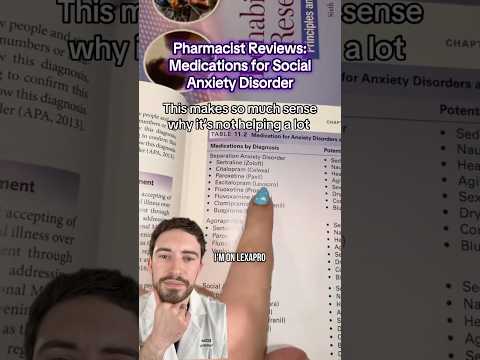
So, let’s chat about anxiety. You know, that feeling that sits in your chest and just won’t budge? Seriously, it can be such a pain.
For folks dealing with generalized anxiety disorder (GAD), it’s like a constant background noise that just won’t turn off. But here’s the thing—there are ways to manage it. One of those ways? SSRIs.
Yeah, those little pills you’ve probably heard about. They’re not magic or anything, but they can really help some people find a bit of calm in the chaos.
So grab a snack and let’s break down how these medications work and what role they play in easing anxiety, alright?
Comprehensive Guide to SSRI Medications: A Complete List and Overview
So, SSRIs—Selective Serotonin Reuptake Inhibitors—are, like, a big deal when it comes to treating mental health stuff, especially Generalized Anxiety Disorder (GAD). You probably know someone who’s been prescribed them. Or maybe you’ve had to deal with anxiety yourself. Anyway, let’s break this down without getting too heavy.
What are SSRIs?
SSRIs are a type of antidepressant that work by increasing levels of serotonin in the brain. Serotonin is a chemical that helps regulate mood. Basically, if your serotonin levels are doing okay, you might feel calmer and more balanced. When you’re anxious or depressed, it might feel like that serotonin is lacking big time.
Why Use SSRIs for Generalized Anxiety Disorder?
GAD is that sneaky friend who hangs around and makes you worry about everything—work, family, even the weather! It can feel overwhelming. SSRIs can help manage those feelings. Instead of constantly feeling on edge, these meds can give you a bit of breathing room.
Common SSRIs Prescribed for GAD:
While there are quite a few out there, here are some common ones:
- Fluoxetine (Prozac): Used for both depression and anxiety; people often find it helpful.
- Sertaline (Zoloft): Known for treating various anxiety disorders.
- Citalopram (Celexa): Often prescribed for its calming effects.
- Escitalopram (Lexapro): A popular choice due to its relatively mild side effects.
Each one works kind of similarly but can affect people differently. So what works wonders for one person might not do anything for another.
The Dosage Dance:
Figuring out the right dosage can be tricky. Doctors usually start patients on a low dose and adjust as needed—like tuning an instrument until it sounds just right. Sometimes it takes patience before you really notice an improvement.
Side Effects:
Yeah, there can be some funky side effects with SSRIs—you know how life isn’t all sunshine? Some people report feeling nauseous or having trouble sleeping at first. Others might have dry mouth or experience some changes in their weight or libido. It’s always good to chat with your doc about any weird stuff you’re feeling.
Anecdote Time!:
A friend of mine struggled with GAD pretty badly—it was like he had his own personal storm cloud following him everywhere! He tried different therapy methods but wasn’t seeing much change until he went on an SSRI prescribed by his doctor. Took a couple months to get used to it but now? He feels way more relaxed and is able to handle life’s curveballs without panicking every twenty minutes!
The Bottom Line:
SSRIs aren’t a cure-all but they can be super helpful tools in managing GAD symptoms. They’re best used alongside therapy and self-care strategies—it’s kind of like assembling your own mental health toolbox! If you think you might need them—or if you’re just curious—talking with a healthcare professional is always the first step.
So remember: mental health is totally important and taking care of yourself means figuring out what help works best for you!
Top SSRIs for Managing Generalized Anxiety Disorder: A Comprehensive Guide
So, let’s chat about SSRIs and their role when it comes to managing Generalized Anxiety Disorder (GAD). Seriously, if you or someone you know is dealing with GAD, SSRIs can be a pretty big deal.
Okay, so what exactly are SSRIs? They stand for Selective Serotonin Reuptake Inhibitors. Basically, they’re a type of medication that helps increase the amount of serotonin in your brain. This little chemical plays a huge role in how we feel and handle stress.
Why SSRIs for GAD? Well, they’ve been shown to be effective for anxiety disorders, including GAD. People usually find that their worry decreases when they take these meds consistently. It might take a little time though—like a few weeks—before you really start to notice the difference.
Now let’s break down some of the common SSRIs that docs often prescribe for GAD:
- Fluoxetine (Prozac): You’ve probably heard of this one. It’s well-known and can help lift mood while easing anxiety.
- Sertaline (Zoloft): This is another popular choice. Studies show it can reduce anxiety symptoms and help with the overall feeling of being overwhelmed.
- Escitalopram (Lexapro): Lots of people find this helpful for anxiety—it may even have fewer side effects for some folks.
- Citalopram (Celexa): Similar to Escitalopram but it’s slightly older. It’s still an option that many find effective.
Using SSRIs can sometimes come with side effects though—like any medication, right? You might feel nausea, changes in sleep or appetite, or just feel kind of on edge before things start to smooth out. I’ve seen friends go through this rollercoaster ride where the first couple of weeks were rough, but then they started feeling like themselves again.
If you’re thinking about trying an SSRI or have been prescribed one already, chatting it out with your doc is key. They can help you figure out what works best for you based on your specific situation.
It’s also super important to remember that medication isn’t the sole solution for managing GAD. Some people find therapy effective too! Cognitive-behavioral therapy (CBT) often pairs well with SSRIs and gives individuals tools to tackle anxiety head-on.
In summary: SSRIs are generally seen as a solid option for folks grappling with GAD—they increase serotonin levels which can lead to improved mood and reduced anxiety over time. Just keep an open dialogue with your healthcare provider as you navigate through it all!
Understanding SSRI Side Effects: What You Need to Know for Mental Health Management
Imagine you just got prescribed an SSRI, or selective serotonin reuptake inhibitor. It’s meant to help with your generalized anxiety disorder (GAD). That’s awesome, but like any medication, SSRIs come with their share of side effects. So let’s break it down.
What Are SSRIs?
SSRIs are medications that increase serotonin levels in your brain. Serotonin is a chemical that helps regulate mood and anxiety. By boosting serotonin, these meds can make you feel calmer and more balanced.
Common Side Effects
Now, let’s dive into the typical side effects you’ve gotta be aware of. Some people might not experience any, while others notice a few or even many of these:
- Nausea: Feeling queasy is pretty common when starting SSRIs. It might go away after a few days.
- Sleep issues: Some folks get drowsy, while others struggle to sleep. Your body just needs time to adjust.
- Weight changes: Either gaining or losing weight is possible. It all depends on how your body reacts.
- Sexual dysfunction: A loss of libido or difficulty reaching orgasm can happen for some people.
- Dizziness: Feeling lightheaded is another possible effect—again, typically temporary.
Your Experience Matters
Let me tell you about my buddy Jamie. Jamie started taking an SSRI and felt nauseous every morning for about two weeks. They almost considered stopping the medication! But after chatting with their doc, they learned that many people feel this way early on and it usually passes. Sure enough, after a couple weeks, Jamie was feeling much better.
The Adjustment Period
It’s super important to give SSRIs some time to kick in—typically around four to six weeks before you see real benefits—or side effects settle down. If you’re still feeling rough after that period? Don’t hesitate to reach out to your doctor.
Tapering Off
If you decide the SSRI isn’t working for you, stopping isn’t as simple as just quitting cold turkey. Doing so could lead to withdrawal-like symptoms such as dizziness or flu-like feelings. Always consult your doctor about how to safely taper off if needed.
Your Mental Health Journey
Managing mental health can be a rollercoaster ride, especially when introducing medications like SSRIs into the mix. Keeping an open conversation with your healthcare provider about side effects is crucial—you wanna tweak what isn’t working! Remember: everyone reacts differently and finding the right medication can take some trial and error.
So there you have it—a rundown on SSRIs and their potential side effects in managing generalized anxiety disorder. Now you’re better equipped to navigate this journey if SSRIs end up being part of it!
So, let’s chat about SSRIs and how they fit into the world of Generalized Anxiety Disorder, or GAD for short. Seriously, anxiety can feel like this heavy blanket you just can’t shake off. You know that constant worry? Like, what if I mess up at work? What if something bad happens? It’s exhausting!
SSRIs, or selective serotonin reuptake inhibitors, are a type of medication that many people with GAD turn to. They help by increasing the level of serotonin in your brain—a chemical that has a lot to do with mood regulation, among other things. Think of it this way: if your brain is like a party, serotonin is the DJ making sure everyone’s having a good time. When there’s not enough of it, the music kinda fizzles out.
I remember chatting with a friend who was struggling with anxiety for years before starting on an SSRI. Her life felt like walking on eggshells; every little thing could trigger her fears. After trying SSRIs, she noticed some positive changes—like she could actually enjoy conversations without spiraling into overthinking every word she said. It was like someone had turned up the lights in a room that used to be really dim.
But here’s where it gets tricky—these meds aren’t magic pills. You know? It’s not all rainbows and sunshine immediately. Sometimes they take weeks to kick in fully, and there can be side effects too. Some folks might experience nausea or fatigue at first. Totally normal! Plus, finding the right SSRI can be like dating—you might have to try a few before you find “the one” that clicks.
Also, SSRIs don’t work alone; therapy is usually part of the mix too! Cognitive Behavioral Therapy (CBT), for example, often goes hand-in-hand with medication for GAD sufferers. This combo can help you learn tools to tackle your worries while the meds stabilize your mood.
In essence, SSRIs play a significant role in managing GAD for many people but they’re just one piece of the puzzle. If you’re considering them or feeling overwhelmed by anxiety, chatting with a healthcare professional is key—they’ll help navigate those choices with you.
It’s all about finding what works best for you and taking care of yourself along the way!