So, let’s talk about sleep. You know those nights when you just toss and turn, and counting sheep feels like a real job? Ugh, right? Seriously, sleep issues can mess with your day in a big way.
Now, there’s this class of medications called SSRIs. Yeah, they’re usually tossed around for depression and anxiety stuff. But hold on—there’s more to the story! They can actually help with sleep quality too.
I mean, think about it: feeling calmer during the day might just help you snooze better at night. That’s what we’re getting into here. It’s kind of neat how something meant for one thing can actually lend a hand in another area of our lives!
Top Antidepressants to Improve Sleep and Reduce Anxiety: A Comprehensive Guide
Sure thing! Antidepressants can play a role in improving sleep and reducing anxiety, and SSRIs (Selective Serotonin Reuptake Inhibitors) are often at the forefront. Let’s break it down, shall we?
What are SSRIs?
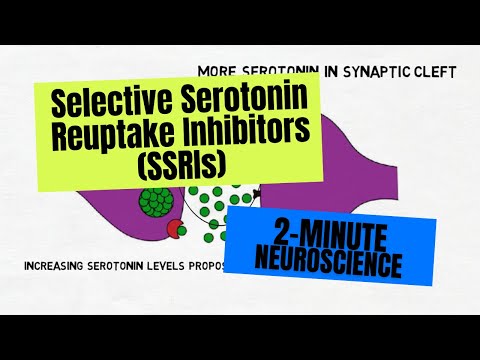
SSRIs are a class of medications that basically increase serotonin levels in your brain. Serotonin is a chemical that helps regulate mood, sleep, and anxiety. When you’re low on serotonin, you might feel down or anxious which can throw off your sleep patterns too.
How do SSRIs help with sleep?
Now, here’s the deal: while SSRIs aren’t specifically sleep medications, they can help improve your overall mood. This improvement can lead to better sleep because when you’re less anxious or depressed, you’re more likely to fall asleep easier at night.
But it isn’t always straightforward—some folks might experience side effects like insomnia when starting an SSRI. So it’s like a mixed bag; what works wonders for one person might not work the same way for another.
Common SSRIs
You’ve probably heard of a few SSRI names floating around:
- Fluoxetine (Prozac): Often prescribed for depression and anxiety.
- Sertaline (Zoloft): Known for its efficacy in both anxiety and depression.
- Citalopram (Celexa): Another popular choice among doctors.
- Escitalopram (Lexapro): This one is often favored due to fewer side effects.
Each of these can potentially help with your mood which may lead to better sleep quality over time.
The Connection Between Anxiety and Sleep
Anxiety can really mess up your sleep cycle. When you’re anxious, your mind races. It’s like being stuck on a hamster wheel—you know? That constant worrying makes it hard to start snoozing or stay asleep through the night.
SSRIs help tackle that underlying anxiety. Less anxiety? Better chances of catching those Zs!
Anecdote Time!
A friend of mine struggled with insomnia on top of their anxiety issues for years. They tried everything from meditation apps to herbal teas but nothing seemed to work long-term. Eventually, they visited their doctor who suggested starting Zoloft. After a few weeks, they noticed that their mind felt less foggy and more manageable during the day—plus they were finally getting some restful nights!
That’s not everyone’s story, but it shows how sometimes these meds can help shift things around in your brain.
Potential Side Effects
It’s important to keep it real: SSRIs come with potential side effects such as nausea, dry mouth, or even some weight gain. While they might improve your mood and indirectly boost sleep quality, every individual’s body reacts differently to them.
Always discuss options with your healthcare provider because they’ll know what’s best for you based on your health history.
The Bottom Line
So there you go! SSRIs have their place in improving mood which could lead to better sleep patterns down the road—but everyone’s experience will be different. The key is talking openly with a healthcare professional about what you’re dealing with so they can guide you toward the right treatment plan.
Finding that right balance between managing anxiety and getting good shut-eye doesn’t always happen overnight; sometimes it takes a bit of trial and error—but don’t lose hope!
Understanding SSRI-Induced Insomnia: Does It Eventually Fade?
There’s a lot of chatter about SSRIs and how they mess with our sleep, right? You might be asking yourself, “Why are these meds that’re supposed to help me feel better also keeping me up at night?” It’s a valid question, and it’s worth digging into.
So here’s the deal: **SSRIs** (which stands for selective serotonin reuptake inhibitors) are often prescribed for depression and anxiety. They help boost serotonin levels in the brain, which can improve mood. However, some people find that when they start taking these meds, they experience **insomnia** or sleep disturbances. It’s frustrating because you want to feel better emotionally but end up tossing and turning at night.
So, does this insomnia eventually fade? Well, it can vary but here are some things to consider:
- Adjustment Period: Many folks experience insomnia as part of their body’s adjustment to the medication. This can last a few days to several weeks.
- Individual Reactions: Everyone reacts differently. Some people find their sleep improves after a while, while others may continue to struggle.
- Dose Matters: Sometimes the dosage affects sleep too. If the dose is too high initially, it might amplify side effects like insomnia.
- Timing of Medication: Taking your SSRI at a certain time of day can influence your sleep. Some people have better luck taking it in the morning instead of at night.
You know what I mean? It isn’t just black and white; there’s a lot going on.
Now, about that adjustment period—here’s where it gets interesting. Imagine you just started on an SSRI and you’re feeling anxious and wired instead of chill and relaxed. That was my friend Sam’s experience. He described his first couple of weeks on Zoloft as sleepless nights filled with racing thoughts. But then something shifted around week three—suddenly he started dozing off easier!
Another thing to remember is that those who already have sleep issues before starting SSRIs may notice heightened problems initially. If you’ve been dealing with anxiety or depression-related insomnia for ages, adding an SSRI might feel like tossing gasoline onto an already flickering flame.
If you’re finding sleeplessness unbearable or it’s dragging on too long—like more than a couple months—it’s totally okay to talk to your doctor about it! There are often strategies they can suggest or even alternative medications worth considering.
In summary, while **SSRIs** can mess with your sleep initially for some folks, many do find relief over time as their bodies adapt. So if you’re feeling stuck in this sleepless rut after starting one of these medications—hang in there! It might get better sooner than you think. Or don’t hesitate to reach out for help if it’s not improving—the journey towards good mental health shouldn’t come at the expense of restful nights!
Exploring the Benefits of Low Dose Antidepressants for Improved Sleep Quality
Sleep can be a tricky thing, huh? You’re not alone if you’ve struggled with getting enough quality shut-eye. Lots of people find themselves tossing and turning at night, feeling wide awake or just plain restless. So, let’s chat about how low-dose antidepressants, specifically SSRIs (Selective Serotonin Reuptake Inhibitors), can sometimes help with sleep troubles.
First off, SSRIs are commonly prescribed for depression and anxiety. But here’s the thing: they also have some interesting effects on our sleep patterns. You see, serotonin is a big player in our sleep regulation. It helps control our mood and can influence how well we sleep. By tweaking serotonin levels in your brain, SSRIs may help improve your overall sleep quality.
Now, let’s break down the benefits of low doses of these medications when it comes to catching those Z’s:
- Better Sleep Quality: People often report deeper and more restful sleep when taking lower doses of SSRIs. It’s like upgrading from a rickety old bed to a comfy one!
- Reduced Anxiety: Anxiety can keep you up at night like an unwelcome houseguest. Low doses can help calm those racing thoughts that pop up right before bedtime.
- Easier Sleep Onset: You know that frustrating moment when you’re lying there waiting for sleep to come? Lower doses of SSRIs may help make drifting off easier.
- Less Frequent Night Wakings: Some folks find they wake up less during the night after starting these meds, which means more solid rest overall.
But hey, it’s not all sunshine and rainbows. There are some things to keep in mind too. For starters, different people react differently. What works wonders for one person might not do much for another; it’s all super individual.
Also, some might experience side effects like feeling tired during the day or weird dreams—it really depends on your body chemistry. My friend Sarah tried an SSRI for her anxiety last year at a low dose mainly for better sleep. At first, she felt groggy all morning but eventually found the right balance so that she could wake up refreshed.
If you’re considering this route, chatting with your healthcare provider is key! They can help determine if low-dose SSRIs are right for you based on your specific situation.
In summary, low-dose antidepressants like SSRIs have potential benefits for improving sleep quality by adjusting serotonin levels in the brain and reducing anxiety symptoms. But remember, it’s crucial to weigh those benefits against any possible downsides with your doctor by your side!
So there you have it! Just know that if you’re struggling with sleep issues along with mood problems, exploring options like this might be worth considering—after all, who doesn’t want a good night’s rest?
So, let’s talk about SSRIs, or selective serotonin reuptake inhibitors. They’re a class of medications that help with depression and anxiety by boosting serotonin levels in your brain. You know, that feel-good chemical? A lot of people take these to manage their mental health, but something interesting happens—many find their sleep improves too.
You might be thinking, “Wait, how does that work?” Well, here’s the thing: when you’re feeling anxious or depressed—as many of us have experienced at some point—it can really mess with your sleep. Your mind races, worries pile up, and before you know it, you’re staring at the ceiling instead of catching some Z’s. SSRIs can help calm those racing thoughts and lift your mood a bit.
I remember this one time a friend was struggling with insomnia due to stress from work. It was like she was stuck on this hamster wheel of anxious thoughts every night. After she started medication, it was wild how much her pattern changed. She went from tossing and turning for hours to actually dozing off at a reasonable hour! It’s amazing what just a little balance in brain chemistry can do for overall well-being.
But it’s not all sunshine and roses; some folks can experience side effects like drowsiness or even insomnia when they start taking SSRIs. So the journey isn’t the same for everyone. And it’s totally normal to have to adjust your medication or dosage to find what really helps you.
Also worth noting is that while SSRIs can play a role in improving sleep quality for many people, they aren’t the only answer out there. Combining therapy with medication often yields the best results—so you get both sides of the coin working together.
Ultimately, if you’re considering SSRIs or are on them already and struggling with sleep issues, chatting with your healthcare provider is key. They’ll help assess what’s going on and decide what steps make sense for you because everyone’s experience is unique!