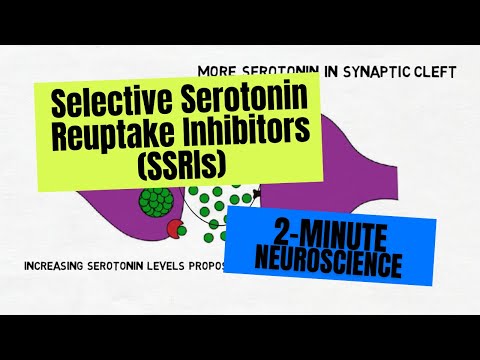
Okay, let me tell you about SSRIs. They’re these meds that people usually think of for depression. But guess what? They can help with more than just feeling down.
Ever heard of vasovagal syncope? It’s that thing when you suddenly faint because your body freaks out over certain triggers. Super annoying, right?
So, here’s where SSRIs come in. They might help smooth out those intense feelings that lead to fainting episodes.
I know this sounds kinda wild, but stay with me! Let’s chat about how these little pills could make a big difference for folks dealing with those pesky syncopal moments.
Comparing SSRIs for Vasovagal Syncope: Finding the Most Effective Option
Vasovagal syncope is, like, a fancy term for fainting that usually happens when your body overreacts to certain triggers, you know? It can be super frustrating—one minute you’re fine, and the next, you’re on the floor. And for some people, SSRIs (Selective Serotonin Reuptake Inhibitors) are brought up as a potential way to help manage symptoms. So let’s break down how that works.
SSRIs and Their Role
SSRIs are typically used to treat depression and anxiety by increasing serotonin levels in your brain. That could help stabilize mood and reduce anxiety-related fainting spells for some folks with vasovagal syncope. But not everyone responds the same way to these meds.
Different Types of SSRIs
There are several SSRIs out there—each with its own nuances. Here’s a quick look:
You might be wondering if one is better than the others specifically for vasovagal syncope symptoms. The tricky part? There isn’t a one-size-fits-all answer.
Treatment Variations
Some studies suggest that sertraline could be particularly beneficial because of its effectiveness in treating anxiety associated with vasovagal episodes. Others found citalopram might help but with mixed results regarding its impact on fainting spells.
But honestly, whether or not an SSRI helps with vasovagal syncope really depends on individual factors like your overall health, other medications you might be taking, and also how your body reacts to these drugs. It’s kind of like trying on different shoes—you won’t know which fits best until you try them out.
Possible Side Effects
Here’s the thing: SSRIs come with their own bag of potential side effects. You might experience nausea, headache, or even fatigue when starting them. And sometimes it takes weeks before you notice any impact at all! And here’s an important note: never just stop taking them without chatting with your doc first—withdrawal can be rough!
The Importance of Monitoring
If you’re considering SSRIs to manage symptoms of vasovagal syncope, regular follow-ups with your healthcare provider are key. They can help monitor how well the med is working for you and adjust as needed.
Understanding Medications for Managing Vasovagal Syncope: Effective Treatments and Recommendations
Vasovagal syncope, or fainting, is a pretty common issue that happens when your body overreacts to certain triggers like stress, pain, or even standing up too quickly. When this occurs, your heart rate drops and blood vessels dilate, leading to reduced blood flow to the brain and—bam—you’re on the floor. It’s not just about the fall; it can really shake you up emotionally too.
Now, when it comes to managing **vasovagal syncope**, medications might not be the first thing that comes to mind. But some people find them helpful, especially when lifestyle changes alone aren’t cutting it. That’s where **SSRIs** (Selective Serotonin Reuptake Inhibitors) come in.
SSRIs are typically used to treat depression and anxiety, but there’s growing interest in their role for vasovagal syncope. So, how do they fit into the picture? Well, here’s what happens:
- Serotonin Regulation: SSRIs increase serotonin levels in the brain. This neurotransmitter plays a role in mood regulation and also helps with blood pressure control.
- Anxiety Reduction: Many people with vasovagal syncope experience anxiety or panic attacks before fainting episodes. SSRIs can help lower that anxiety level.
- Improved Tolerance: By addressing mood and anxiety issues, SSRIs can potentially help you manage triggers better.
But let’s be real for a second—meds aren’t a magic bullet. You might need a combination of treatments tailored just for you. So here are some recommendations if you’re considering SSRIs:
- Consult Your Doctor: It’s super important to talk about your symptoms openly with your healthcare provider. This way, they can determine if SSRIs are a good fit.
- Dose Adjustments: Sometimes it takes time to find the right dose that works without annoying side effects.
- Monitor Symptoms: Keeping track of your fainting episodes and any side effects while on medication is crucial.
Let me share a quick story here: I knew someone who had serious issues with vasovagal syncope during stressful situations like presentations at work. They were hesitant about SSRIs but eventually gave them a shot as part of their therapy plan—alongside some cognitive behavioral techniques aimed at reducing anxiety during those moments. Over time, they started feeling more in control not just physically but emotionally too.
Of course, everyone’s journey is different—what works for one person might not for another! Also remember there are other medications aside from SSRIs that can be discussed with your doctor—for example, **beta-blockers** or even **fludrocortisone**, which helps increase blood volume.
In summary: SSRIs might offer relief by managing emotional aspects tied to vasovagal syncope—but don’t forget about lifestyle changes like staying hydrated or getting enough salt in your diet. Always work together with healthcare providers who understand your entire situation rather than going solo on this one!
Exploring the Connection: Do SSRIs Impact Vagus Nerve Activity for Better Mental Health?
So, SSRIs, or selective serotonin reuptake inhibitors, are these medications that are often prescribed to help with things like depression and anxiety. They work by increasing the levels of serotonin in your brain, which is a key player in regulating mood. But what’s really interesting is their potential connection to the vagus nerve and how that might relate to your overall mental health.
The vagus nerve is this long nerve that runs from your brain all the way down into your abdomen. It plays a pretty vital role in your body’s parasympathetic nervous system, which helps you relax and brings things back to balance after stress. A healthy vagus nerve can help reduce symptoms of anxiety and promote a feeling of calmness.
Now, here’s where things get pretty cool! Some research suggests that SSRIs could actually influence vagus nerve activity. The idea is that by boosting serotonin levels, these meds might also enhance how well the vagus nerve does its job. When it comes to managing stuff like vasovagal syncope—which is that thing where you faint due to triggers like stress or pain—this connection could be super important.
Let’s break it down a bit more:
- Connection with Anxiety: When you’re anxious, your body goes into fight-or-flight mode, triggering various physiological responses. SSRIs can help bring this back down by increasing serotonin levels.
- Vagal Tone: Vagal tone refers to how well the vagus nerve can function. Higher vagal tone means better regulation of heart rate and stress response.
- Impact on Fainting Episodes: For those dealing with vasovagal syncope, better vagal tone may mean fewer fainting episodes since the body can better handle stressful situations.
A friend of mine was put on an SSRI after struggling with anxiety for years. She noticed something surprising: not only did her mood improve but also her episodes of lightheadedness significantly decreased over time. It was as if this med helped turn down the volume on her anxiety while giving her vagal nerve a little boost.
But here’s the catch: while some folks experience positive changes in their vagal function on SSRIs, it doesn’t happen for everyone. Individual responses vary widely due to factors like genetics and personal health history. So really, medication effects are unique for each person.
Research is still ongoing in this area—like how exactly do SSRIs modulate vagal activity? There’s also a lot of focus on how other interventions like therapy or lifestyle changes might impact both serotonin levels and vagal function too.
In short, while there seems to be a fascinating connection between SSRIs and vagus nerve activity that could promote better mental health outcomes—especially for those prone to vasovagal syncope—it’s essential to remember everyone reacts differently. Always talk with a healthcare provider about what feels right for you!
Okay, so let’s chat about SSRIs and vasovagal syncope. You might not think these two go together, but they actually can, in some cases.
First off, what’s vasovagal syncope? It’s basically that sudden fainting spell you get when your body kind of freaks out—like during a stressful situation or maybe after standing for too long. Your heart rate drops, blood pressure tanks, and boom! You’re down for the count. I remember a friend of mine shared a story about how she fainted on stage during her school play. Total nightmare! It was super embarrassing but also kind of scary, you know?
Now, with SSRIs—those are selective serotonin reuptake inhibitors if you want to get all fancy with it—they’re typically used to treat depression and anxiety by boosting serotonin levels in your brain. But here’s where it gets interesting: some doctors have noticed that these meds can help reduce the frequency or severity of vasovagal syncope episodes in certain people.
Honestly, it makes sense when you think about it. If someone is dealing with anxiety that’s linked to their fainting spells, addressing those anxious feelings could help ease the whole situation. It’s like cutting the cord between feeling stressed out and actually fainting.
Of course, using SSRIs isn’t a one-size-fits-all solution. Everyone’s body reacts differently—some folks might see improvements while others could experience side effects that aren’t fun at all. It’s crucial to work closely with your doctor if you’re considering this route.
But if you’re sitting there wondering if this could be helpful for someone you know or even yourself? Well, it’s definitely worth talking about. Managing symptoms is key—whatever it takes to help make life feel more stable and less like a rollercoaster ride! So yeah, SSRIs can play a role in managing those pesky symptoms for some people dealing with vasovagal syncope; just make sure you’ve got the right support as you navigate through it all.