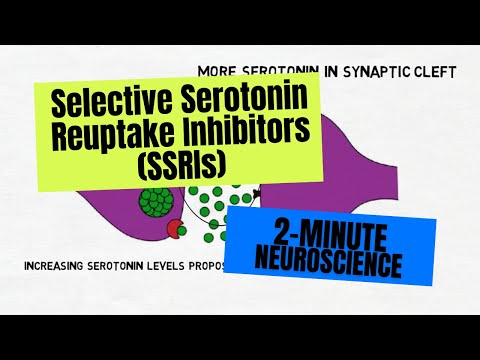
So, let’s talk about SSRIs, yeah? You might have heard about them before.
They’re a type of medication folks often use for things like depression and anxiety. But here’s the deal: there’s so much more to it.
Imagine struggling with a heavy weight on your chest, and then someone hands you a tool to lift it. That’s kind of what SSRIs can do for some people.
They’re not magic pills or anything but they might help you feel a bit more like yourself again.
So, let’s dive into how they fit into the bigger picture of mental health treatment strategies, shall we?
Comprehensive Guide to SSRI Medications: List of Common SSRIs and Their Uses
SSRIs, or selective serotonin reuptake inhibitors, play a big role in treating various mental health conditions. They’re commonly prescribed for depression and anxiety, helping to boost the levels of serotonin in your brain. You know, that happy chemical? Here’s the deal: when your brain has enough serotonin, it can help improve mood and emotional balance.
Now let’s get into some common SSRIs and what they’re used for:
- Fluoxetine (Prozac) – This is one of the first SSRIs ever introduced. It’s often used for major depressive disorder, obsessive-compulsive disorder (OCD), and even bulimia. Many people find it helps lift their mood.
- Sertraline (Zoloft) – It’s another go-to SSRI for depression and anxiety disorders. Also effective for PTSD and social anxiety disorder, it works by helping you feel more relaxed.
- Citalopram (Celexa) – This one’s generally prescribed for depression but can also help with anxiety. A lot of folks find it easier to manage their daily lives after starting on this.
- Escitalopram (Lexapro) – Similar to citalopram but often considered more effective by some doctors. It’s used for depression and generalized anxiety disorder. People may notice an improvement in their overall well-being.
- Paroxetine (Paxil) – This one is particularly good at treating panic disorder and OCD along with depression. But some side effects can be a bit more intense compared to others.
So here’s the catch: while SSRIs can work wonders, they aren’t magic pills without possible side effects. Some folks might experience nausea, insomnia, or changes in weight—just little bumps on the road to feeling better.
Imagine dealing with severe anxiety every day—the kind where you feel like you’re stuck in a loop of overthinking everything. A friend of mine struggled with this until she started taking one of these medications—sertraline to be specific. Over time, she said it felt like a fog was lifting off her brain; she could think clearer and actually enjoy stuff again.
In terms of how they fit into treatment strategies, SSRIs are often just one piece of the puzzle. Therapy—like cognitive-behavioral therapy (CBT)—can work alongside them to really enhance healing and coping skills.
But, hey! Always chat with a doctor about what might work best for you or someone you care about because everyone’s unique when it comes to mental health needs. You follow me? Being armed with knowledge can really help navigate this strange world we live in!
Understanding SSRI Side Effects: What You Need to Know for Better Mental Health
SSRIs, or Selective Serotonin Reuptake Inhibitors, are a type of medication commonly used to treat depression and anxiety. They work by increasing the level of serotonin in your brain, which can help improve mood. But, like any medication, they come with potential side effects. Understanding these side effects is super important for navigating your mental health journey.
So, what kind of side effects are we talking about? They can range from mild to more serious, and knowing what to expect can really help you manage them better.
- Nausea and digestive issues: A lot of people experience some stomach upset when they start taking SSRIs. It could be nausea or just feeling off in your belly.
- Sexual dysfunction: This is more common than you might think. Some folks report a reduced sex drive or difficulties during sex.
- Weight changes: Some individuals notice weight gain or loss after starting SSRIs. Everyone’s body reacts differently, so it’s good to keep an eye on this.
- Sleep disturbances: You might find it harder to fall asleep or stay asleep. Others say they feel unusually sleepy during the day.
- Emotional blunting: Sometimes people say they feel less emotional overall—almost numb—which can be frustrating if you’re trying to connect with others.
Now, there’s no need for panic if you start experiencing these side effects. For many folks, they diminish over time as your body gets used to the medication. But if they’re causing real distress or not letting you live your life fully, definitely talk to your healthcare provider.
Here’s a little story: A friend of mine started on an SSRI after feeling really down for months. The first couple weeks were rough; she felt nauseous and found it hard to enjoy things she usually loved—like hanging out with friends or watching her favorite shows. But after about a month, those feelings faded away, and she started noticing her mood lifting! It was like someone flipped a switch back on in her mind.
If you’re considering SSRIs or already taking them and facing some side effects, remember: communication with your healthcare team is key! They want you to feel better and can help adjust the dose or try another med if needed.
In short? SSRIs can be a powerful tool for improving mental health—but understanding their potential side effects allows you to handle them better when they pop up unexpectedly.
Understanding SSRIs: Common Examples and Their Uses in Mental Health Treatment
SSRI stands for Selective Serotonin Reuptake Inhibitors. That’s a mouthful, huh? Basically, these meds are designed to help boost your mood by increasing the amount of serotonin in your brain. Serotonin is like that good friend who keeps you feeling balanced and happy. When there’s not enough of it, things can start feeling pretty dark.
These medications are often prescribed for conditions like depression, anxiety disorders, and even obsessive-compulsive disorder (OCD). So if someone’s struggling with these issues, SSRIs can be a game changer.
Common examples include:
Now here comes the real deal: how do SSRIs work? Well, they stop your brain from reabsorbing serotonin too quickly. Think about it like a sponge soaking up water; when that sponge is full, it releases some back into the bowl. SSRIs help keep more serotonin floating around instead of letting it get sucked back up too fast.
But let’s not sugarcoat it—SSRIs don’t work overnight. It can take a few weeks before you really start feeling their effects. And hey, everyone reacts differently! Some folks might feel better quickly, while others might need to try a few different ones before finding the right fit.
A close friend of mine once told me about their experience with an SSRI after a rough breakup. They were feeling so low that getting out of bed felt impossible. Once they started taking their medication, they realized they could finally get through a day without crying every hour! It wasn’t instant sunshine or rainbows but rather a gentle lifting of that heavy fog hanging over them.
Also important to remember: there are potential side effects. Some people might experience nausea, sleep disturbances, or even weight gain—but these vary from person to person. It’s always essential to discuss any concerns with your doctor because they can help navigate through these bumps in the road.
In summary, SSRIs play an important role in mental health treatment strategies by targeting serotonin levels in your brain. While they’re not magic pills—they do take time—the support they provide can be life-changing for many people dealing with tough mental health challenges! So if you’re considering them or know someone who is, it helps to chat openly about what those ups and downs look like on this journey together.
So, let’s chat about SSRIs for a minute. You know, those selective serotonin reuptake inhibitors that folks often hear about when discussing antidepressants? They’re like the go-to medication for a lot of people dealing with depression and anxiety. But there’s so much more to it than just popping a pill and hoping for the best.
I once sat with a friend who was really struggling. She felt like she was in this deep hole, and no matter what she tried—therapy, self-care, even yoga—it just wasn’t enough. It was heartbreaking to see her suffer like that. Then, her doctor suggested an SSRI. At first, she was hesitant; she’d heard all kinds of things about medications and didn’t want to feel “fake” or dependent on something outside herself. I mean, can you blame her? Lots of us have misconceptions about meds.
But after talking it through with her doctor and realizing that SSRIs don’t magically fix everything but can help shift that chemical balance in her brain—she decided to give it a shot. And you know what? After a few weeks, she started feeling more herself again—like the clouds were beginning to part. It wasn’t instant magic, but there was definitely some light sneaking through.
SSRIs work by boosting serotonin levels in your brain, which is often linked to mood regulation. When you’re feeling down or anxious, sometimes it’s like your brain just doesn’t have enough of this happy chemical hanging around. So SSRIs come along and say, “Hey there! Let’s keep some serotonin around longer!”
But here’s the thing—they’re not for everyone and they aren’t the only answer out there. Some people might experience side effects or find they don’t feel any different at all. It’s super important for anyone considering them to have an open conversation with their healthcare provider about what they’re hoping for and how they’re feeling overall.
My friend also learned that while SSRIs helped her emotionally stabilize, they worked best when combined with therapy and healthy coping skills—like journaling or exercise—kinda like building your own toolbox for mental wellness.
So yeah, SSRIs can play a significant role in mental health treatment strategies but they’re not the entire solution! It’s all about balance and finding what works best for you personally because each journey is unique. Just remember – if you or someone you love is considering medication as part of their mental health approach, it’s always worth talking openly about options with professionals who care!