You know, when people talk about mental health meds, it’s easy to get lost in all the jargon. But there’s this thing called SSRI high. Ever heard of it?
So, SSRIs are these antidepressants that can really help some folks feel better. But sometimes, they can lead to a bit of a rollercoaster ride.
Picture this: you’re feeling great one minute, then—boom!—you’re on an emotional downer. It gets tricky, right?
Let’s chat about what that high means for your mind and well-being. Trust me, it’s worth diving into!
Exploring the Long-Term Effects of Antidepressants on Brain Health: What You Need to Know
Antidepressants, especially SSRIs, have become a go-to for folks dealing with depression and anxiety. But what are the long-term effects on your brain health? Let’s break it down.
When you take an SSRI, it helps boost levels of serotonin—a chemical in your brain that regulates mood. This can lead to feeling better in the short term, but what about over the years? Well, studies show that while they can be effective, some people might experience changes in their brain chemistry long-term.
One concern is dependency. For some people, being on these meds for years can lead to a reliance on them. You know how sometimes you start a habit and then find it hard to break? That’s kind of what happens with SSRIs. When you try to stop, withdrawal symptoms can kick in—like anxiety or irritability.
Another point worth noting is neuroplasticity. Our brains are pretty amazing at adapting! But long-term SSRI use may affect how well they adapt. Some studies suggest it may dampen certain brain plasticity functions. Imagine plasticine that hardens instead of staying malleable; that’s a bit like what could happen to your brain’s ability to change and grow when bombarded with these meds consistently.
Then there’s the impact on mood regulation itself. If you’re on an SSRI for a long time, your brain might get used to those serotonin levels being enhanced artificially. When you decide to come off them or if you miss a dose? Your brain could feel like it’s lost its natural way of regulating mood entirely.
It’s also essential to remember that everyone is different. Some people might cruise through life on SSRIs without noticeable side effects after years of use—while others might find their emotional responses getting dulled or blunted over time.
And real talk: side effects exist. Weight gain, sexual dysfunction, or sleep issues are often discussed when taking these medications. But we need to look at how they might affect someone mentally and emotionally over the years too.
Lastly—don’t underestimate therapy. Combining antidepressants with therapy can sometimes lead to better outcomes than just going solo with meds. Therapy helps develop coping strategies and emotional resilience so you’re not just relying on chemical boosts from pills alone.
In summary, while SSRIs can definitely help manage depression and anxiety effectively for many people, the long-term effects on brain health deserve careful consideration. If you’re on them or thinking about starting them for any length of time—always keep an open conversation going with your healthcare provider about your experiences and concerns along the way!
Understanding Long-Term SSRI Side Effects: What You Need to Know
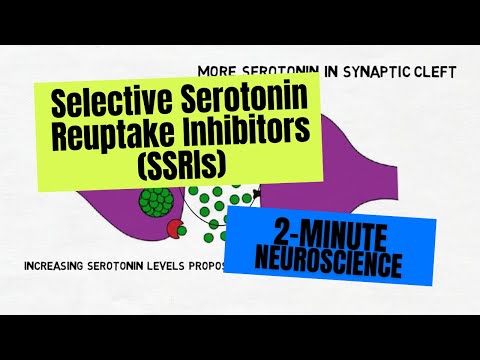
Understanding long-term SSRI side effects is really important, especially if you or someone you know has been on these medications for a while. SSRIs, or selective serotonin reuptake inhibitors, are a common type of antidepressant. They help boost serotonin levels in your brain, which can improve mood and reduce anxiety. But like everything else in life, they come with their own set of potential side effects.
Weight Gain is one of the more talked-about issues with SSRIs. Some people find that they put on extra pounds after starting these meds. It might not happen to everyone, but it’s something worth watching for. The reasons behind this can vary—some folks just feel hungrier while on SSRIs, whereas others might notice changes in how their bodies process food.
Sexual Dysfunction is another common issue people report. This can range from a reduced libido to difficulty achieving orgasm. Imagine being really into someone but then feeling like your body just isn’t cooperating—that can be frustrating and awkward for lots of people.
Emotional Blunting, or feeling a bit numb, is something that comes up too. You might notice you’re not as excited about things you used to love or even have a hard time feeling sad when you should be. It’s like walking around with a fog over your emotions.
Gastrointestinal Issues happen as well; some folks experience stomach issues like nausea or diarrhea when starting SSRIs. This usually gets better over time, but it can be a hassle at first.
Then there’s insomnia or sleep disturbances. Some people struggle to fall asleep or stay asleep after starting SSRIs—it’s like their minds just won’t shut off at night.
Now, let’s talk about withdrawal symptoms. If you’ve been on an SSRI for a long time and decide to stop taking it quickly or without talking to your doctor first, well that can really mess with you! You could feel dizzy, irritable, or even get flu-like symptoms.
Long-term use of any medication should always be monitored by a healthcare provider—seriously! They’ll help weigh the benefits against any side effects you’re experiencing and make adjustments if needed. Talk about how you’re feeling; it matters!
So basically, being informed makes all the difference when dealing with SSRIs and their side effects. Knowledge empowers you to have those conversations with your doctor and advocate for your mental health effectively!
Understanding SSRI Side Effects in Women: Key Insights and Implications for Mental Health
So, let’s chat about SSRIs, or selective serotonin reuptake inhibitors, and what they can do for folks, especially women. You might have heard of them as the go-to meds for stuff like depression and anxiety. They work by increasing serotonin levels in your brain, which is like giving your mood a little boost. Pretty cool, right? But then there are the side effects we need to consider too.
First off, it’s not all sunshine and rainbows with SSRIs. Some women experience side effects that can be pretty tough to handle. Common ones include nausea, headaches, fatigue, and even sexual dysfunction. Imagine starting a new treatment and feeling worse than before! That can be frustrating and sometimes discouraging.
Another thing worth mentioning is weight changes. Some women find themselves gaining weight while taking SSRIs. Others might lose weight instead—it really depends on the individual. It’s like your body is trying to figure out what’s going on with these new meds. If you’re someone who’s always been conscious of their weight or has struggled with it in the past, this could feel extra challenging.
Now let’s talk about that emotional rollercoaster factor. For many women, SSRIs can cause feelings of numbness or disconnection. It’s weird because you want to feel better emotionally but end up not feeling much at all. So if you’re feeling flat or detached from things you usually love—like hanging out with friends or enjoying hobbies—this can be a drag.
Then there’s the whole “start-up” syndrome thing to consider too—that period when you first begin taking an SSRI and your body is adjusting to it. Symptoms may worsen before they get better! It might take several weeks before you see positive changes, which can feel like an eternity when you’re in a low place.
Something important—and this applies across the board—is how each woman’s unique biology changes things. Hormonal fluctuations due to menstruation or menopause can impact how effective these medications are or how side effects manifest themselves. It adds another layer of complexity that docs take into account when prescribing.
Also keep in mind that if you decide to stop taking an SSRI, it’s crucial to do this under a healthcare provider’s guidance because stopping suddenly can lead to withdrawal symptoms—like dizziness and irritability—that are no fun at all.
What I really want you to take away here is that while SSRIs can genuinely help many people manage their mental health effectively, they aren’t one-size-fits-all solutions—especially for women who may face different side effects due to biological factors. The key? Communication with your healthcare provider is essential!
If something doesn’t feel right or if side effects are impacting your quality of life more than the medication helps, don’t hesitate to reach out for support—you deserve a treatment plan that really works for you!
So, let’s chat about SSRIs, you know? Selective Serotonin Reuptake Inhibitors. They’re a type of medication often prescribed for depression and anxiety. They work by increasing serotonin in the brain, which is that happy chemical we all need to keep our mood in check. But there’s a lot more to it than just that.
I remember a friend who started taking an SSRI after struggling with some pretty intense feelings of sadness and hopelessness. At first, it felt like a miracle! She’d call me, bubbling with excitement about how things felt different. Colors seemed brighter, food tasted better—you get the idea. For the first time in ages, she actually found joy in her day-to-day life.
But then came the flip side. As time passed, she noticed some not-so-cool effects: like feeling emotionally numb or way more anxious than before. It’s like being on a rollercoaster where you never quite knew when you’d hit a dip. Sometimes she’d joke about being “high” on these meds—like she was floating above it all—but the reality was much messier than that.
For some people, SSRIs can bring relief and help stabilize their mood. But they can also come with side effects that aren’t so pleasant or can really mess with how you feel physically and emotionally. Weight gain, insomnia, or just feeling foggy are all potential issues—things no one really signs up for when they start taking these meds.
You see, mental health is super complex; it’s not just popping a pill and feeling better instantly. It’s about finding what works best for your unique brain chemistry—which can take time! And sometimes waiting for those positive effects to kick in feels like an eternity.
At the end of the day, if you’re considering SSRIs or are navigating life while on them, it’s crucial to stay connected with your doctor or therapist. You know? Keeping those lines of communication open makes all the difference and helps you understand what’s happening inside your mind and body as you adjust.
So yeah, while SSRIs can provide that initial boost of hope for many folks struggling with their mental health, it’s essential to keep looking at the bigger picture—because mental well-being is about balance and understanding yourself along this wild journey we call life.