Hey there! So, let’s talk about something that might sound a bit strange but is totally real—SSRIs and, well, muscle twitching.
You know those moments when your eyelid just starts to dance like it’s got a mind of its own? Yeah, that can happen. And if you’re on SSRIs or thinking about them, it might be worth chatting about.
These meds are pretty common for folks dealing with anxiety and depression. But sometimes, they come with some quirky side effects. Muscle twitches can be one of ‘em.
Like, what’s going on there? You might be wondering if it’s normal or if you should be worried. So let’s break it down together and figure out what this all means for your mental health journey!
Exploring the Connection: Can Antidepressants Cause Muscle Twitching?
So, let’s chat about this whole idea of antidepressants and muscle twitching. You might have heard that some folks taking SSRIs—like fluoxetine or sertraline—can experience weird little muscle twitches. But what’s up with that?
Antidepressants and their role are a big deal in mental health care, as they help many people manage depression and anxiety. But with any medication, there’s always a chance for side effects, right? Muscle twitching can be one of those pesky side effects. It’s not super common, but it can happen.
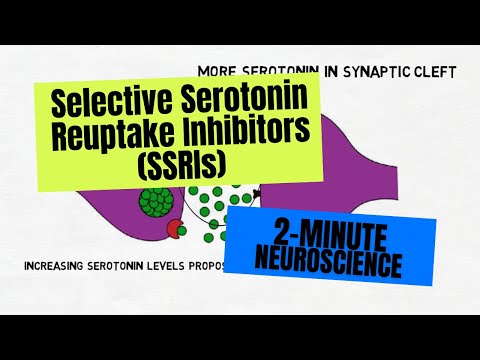
Now, when we’re talking about SSRIs (that stands for selective serotonin reuptake inhibitors), these meds work by boosting serotonin levels in the brain. Serotonin is like a happy chemical; it helps regulate mood, but it plays roles everywhere else too! That includes influencing muscle movement and nerve function.
Let’s break down the twitching part. Basically, muscle twitching—known as myoclonus—is a sudden jerk or spasm of muscle fibers. It can happen in various areas of your body, like your eyelids or legs. Some people describe it as feeling like their muscles are jumping out of their skin; kind of annoying!
Here are a few things to know:
- Mechanism: SSRIs can alter neurotransmitter levels beyond just serotonin. This change may affect other chemicals related to movement.
- Dosing: Sometimes, if the dosage is too high when starting medication or increasing doses, you might notice more twitches.
- Withdrawal and Mixing: If you’re stopping an SSRI suddenly or mixing it with other meds like stimulants, that could cause more twitchiness.
- Anxiety Levels: Anxiety itself might cause muscle tension and spasms; this makes things a bit complicated.
So yeah, if you find yourself dealing with some random twitching after starting an SSRI — don’t panic! It doesn’t always mean there’s something serious going on. Still, it’s worth bringing up with your doctor to rule out any underlying issues.
Oh! And here’s something important to remember: everyone reacts differently to these medications. Some people might experience twitches while others won’t feel anything at all.
Here’s an emotional anecdote for you: I once chatted with a friend who was taking an SSRI for her anxiety. She started noticing these little jerks in her arms while she was watching TV—a little unsettling! After talking to her psychiatrist about it, they adjusted her dose slightly and those jerkies faded away over time.
The bottom line here is understanding your body and how antidepressants affect you is crucial. Tuning into any changes you might have while on medications is important for both your mental health journey and physical well-being. Always feel free to speak openly with your healthcare provider if anything feels off—they’re there to help you navigate through it all!
Understanding Movement Disorders Linked to SSRI Use: Symptoms, Causes, and Management
So, let’s talk about movement disorders connected to the use of SSRIs—those are selective serotonin reuptake inhibitors. They’re commonly prescribed for issues like depression and anxiety. Now, while they can really help many people, sometimes there are some unexpected side effects. One of those might be a little twitching or movement problems.
When you’re taking an SSRI and you notice muscle twitching or involuntary movements, it’s important to recognize these as potential side effects. These symptoms can vary quite a bit from person to person. You might feel like your leg is jumping when you’re sitting still or that your fingers have a mind of their own sometimes.
Symptoms can include:
- Tremors or shaking in various parts of your body
- Muscle stiffness or rigidity
- Involuntary movements, like jerking motions
- Restlessness or difficulty sitting still—this one’s called akathisia!
- Changes in balance or coordination
Now you might be wondering what causes this whole situation. Well, SSRIs primarily work by increasing serotonin levels in the brain. This increase can lead to changes in how the nervous system operates because serotonin plays a big role in muscle control and movement regulation. It’s kinda like if you turn up the volume on your favorite song; it gets louder but might drown out some of the finer notes.
There’s also something called dystonia, which is a disorder characterized by uncontrollable muscle contractions, and it can sometimes emerge when someone is on these meds. It could be triggered by other factors too, like genetics or pre-existing conditions.
Managing these symptoms usually involves a few steps:
- If you notice any strange movements after starting an SSRI, talk to your doctor ASAP! They’re there to help.
- Your doctor might change your dosage—or even switch you to a different medication altogether.
- Sometimes adding another medication can help manage these side effects.
- Physical therapy could also be beneficial; working with a therapist can help regain some control over those involuntary movements.
One friend I had was on an SSRI for anxiety and started having little twitches all over—first her fingers then it was her legs doing their own dance during movie nights! It was annoying and made her super self-conscious. After chatting with her doc about it, they adjusted her medication combo, and things got better.
So basically, if you’re experiencing any weird muscle movements while on SSRIs, don’t just brush it off! Be open with your doctor about what’s going on so they can help you find the best path forward without those pesky side effects getting in the way of feeling better mentally.
Understanding Medication-Induced Twitching: A Guide to Mental Health Side Effects
Medication-induced twitching can be a little unsettling, especially if you’re just trying to manage your mental health. The thing is, some medications—particularly SSRIs (selective serotonin reuptake inhibitors)—might come with unexpected side effects. So let’s break it down.
First off, when you start taking an SSRI, the goal is usually to boost your mood or help with anxiety. But sometimes, these medications can mess with your body a bit more than you’d like. One of those quirks can be muscle twitching. It might be small spasms in your eyelid or an occasional jerk in your leg when you’re sitting still. Not exactly what you signed up for, right?
Now, why does this happen? SSRIs work by increasing serotonin levels in the brain. But interestingly, serotonin doesn’t just influence mood; it plays a part in muscle control too. So when there’s a change in serotonin levels, it could lead to unexpected muscle activity.
Here are some key points about medication-induced twitching:
More than once I’ve talked to someone who felt super anxious about their new SSRI because of these twitches—they worried everyone could see them! I remember one friend saying she had this little eye twitch that made her feel self-conscious during meetings at work. It turned out to be temporary and she learned ways to manage the anxiety around it.
If you find yourself experiencing these twitches, don’t hesitate to reach out to your doc. They might suggest adjusting the dose or switching meds altogether—after all, finding the right fit for mental health is like dating; sometimes you’ve gotta try a few before you find “the one.” And seriously, never stop taking something without talking first!
So yeah, while medication-induced twitching can be annoying and weird, remember it’s not usually dangerous—just another thing our bodies throw at us while we’re trying to feel better! You follow me?
You know, when we talk about mental health medications, one family that often comes up are SSRIs—selective serotonin reuptake inhibitors. These little pills are commonly prescribed for depression and anxiety, helping to balance out serotonin levels in your brain. It’s kind of like putting the right amount of salt in your food; too little or too much just doesn’t taste right.
I remember a friend who started taking an SSRI after going through a rough patch. She was feeling pretty low and anxious, and her therapist thought it might really help her feel more like herself again. And at first, it seemed to work wonders! She felt lighter, more optimistic… all the good stuff that comes with finding a treatment that clicks for you.
But then there was this weird hiccup—muscle twitching. One day she mentioned it casually while we were grabbing coffee. I thought she was joking at first because who expects to start twitching after getting better? But she wasn’t laughing; it was affecting her daily life. Just imagine trying to relax on your couch, but your leg starts doing its own funky dance routine.
Muscle twitching can be one of those side effects that comes from SSRIs—or at least seems linked to them for some people. It happens because these medications can impact neurotransmitter activity, not just the serotonin we’re aiming to boost but others as well. So imagine your nervous system is a board game: sometimes the pieces get stuck or moved around in ways you didn’t anticipate.
When my friend talked it through with her doctor, they suggested tweaking her dose or even switching her med entirely. It was relieving for her to know she wasn’t alone in this; side effects can be such a tricky part of finding the right treatment plan. It’s almost like dating—you might go through a few «bad matches» before finding «the one.»
The whole experience reminded me how important open conversations about mental health are, especially when it comes to medication. Sometimes those side effects are manageable; other times they can make you feel downright worse than before starting treatment.
So if you’re ever on an SSRI and start noticing muscle twitches or other odd sensations, don’t just brush it off as “this is normal.” Talk to someone—your doctor, your therapist, or even friends who know what you’re going through. There’s no shame in figuring this out together because mental health is such a personal journey—and it’s okay if yours takes a few unexpected turns along the way.