Okay, so let’s talk about SSRIs. You’ve probably heard the term floating around, right?
These little pills that everyone’s buzzing about can feel like a game changer for some folks dealing with mental health stuff.
But like, what are they really doing? Are they magic? Or just another option in a big ol’ toolbox?
Well, the thing is, SSRIs—Selective Serotonin Reuptake Inhibitors—are actually pretty important for a lot of people.
If you’ve ever felt those heavy feelings of sadness or anxiety creeping in, you might wonder how they fit into the whole picture of feeling better.
So let’s break it down together and chat about why these meds are often part of the mental health scene!
Understanding SSRI Medications: A Comprehensive Guide to Their Role in Mental Health Treatment
Sure! Let’s break down SSRIs and what you need to know about them in a friendly way.
SSRIs Explained
So, SSRIs, or Selective Serotonin Reuptake Inhibitors, are a type of medication commonly used to treat various mental health conditions. You’ve probably heard of some of them—like fluoxetine (Prozac) or sertraline (Zoloft). They mostly help with things like depression and anxiety by boosting serotonin levels in your brain. Serotonin is that feel-good chemical that can brighten your mood.
How Do They Work?
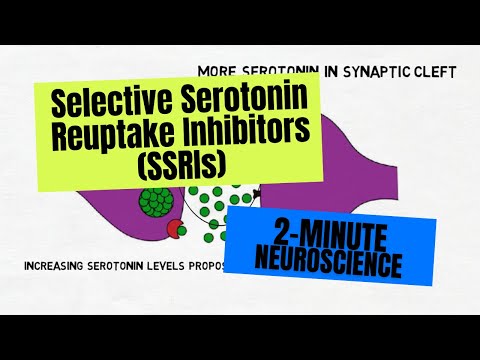
Basically, here’s the scoop: serotonin gets released from one nerve cell and travels to another. After it does its job, it gets reabsorbed back into the first cell. What SSRIs do is stop that reabsorption for a bit. That leaves more serotonin hanging around, which can help improve your mood over time.
Just imagine you’re at a party where everyone’s having fun but then the music stops. If the DJ keeps playing catchy tunes, people stay in good spirits longer. That’s kinda how SSRIs work with serotonin!
Who Uses Them?
A ton of people turn to SSRIs when they’re struggling with:
- Depression
- Anxiety disorders
- Obsessive-compulsive disorder (OCD)
- Panic disorder
- Post-traumatic stress disorder (PTSD)
For some, it’s a game changer. You know that feeling when you finally find something that makes life more bearable? That’s what an SSRI might do for someone dealing with these issues.
What to Expect?
When you start taking an SSRI, don’t expect instant results. It usually takes several weeks for the medication to kick in properly—maybe even a month or so! But once they start working, many people report feeling more balanced and less overwhelmed.
And hey, side effects can happen too! Some common ones include:
- Nausea
- Insomnia or drowsiness
- Weight changes
- Dry mouth
Most side effects tend to fade after a little while as your body adjusts—but always talk to your doctor if something feels off!
The Scoop on Discontinuation
If you’re thinking about stopping an SSRI after being on it for a while, please don’t just quit cold turkey! It could lead to withdrawal symptoms like dizziness or irritability. Instead, chat with your healthcare provider about tapering off safely.
The whole process can feel really daunting at times. I remember talking to my friend who had been on an SSRI; he felt anxious about changing his meds but found relief in knowing he wasn’t alone in this journey.
A Final Note on Treatment
SSRIs are often just one piece of the puzzle when it comes to mental health treatment. Therapy and lifestyle changes like exercise and mindfulness can also play huge roles in feeling better overall.
In short? SSRIs can be super effective for many people struggling with mental health issues—but they aren’t the whole story. If you’re considering them or are already taking them, keep open communication with your healthcare provider so you get the best care possible!
Comprehensive Guide to SSRI Medications: List and Overview of Common Antidepressants
Sure, let’s chat about SSRIs and what they mean for mental health.
First off, SSRIs stand for **Selective Serotonin Reuptake Inhibitors**. So, it’s a fancy way of saying these meds help boost serotonin levels in your brain. And you might know this already, but serotonin’s that feel-good chemical that helps regulate mood. If there’s not enough of it floating around, you can really feel off—like sad or anxious.
How They Work
When you take SSRIs, what happens is they stop your brain from reabsorbing all the serotonin too quickly. Kind of like allowing more sunshine to come through after a cloudy day. This can help lift your mood and ease anxiety over time.
Some common SSRIs you might hear about include:
- Fluoxetine (Prozac) – One of the first SSRIs out there and still super popular.
- Citalopram (Celexa) – Often prescribed for depression and anxiety.
- Sertraline (Zoloft) – Known for its effectiveness in treating OCD as well.
- Escitalopram (Lexapro) – Sometimes folks find it easier to tolerate than others.
- Paroxetine (Paxil) – It can be a good fit but may cause more side effects compared to some others.
The Good Stuff
Now, let’s talk about why these medications can be a game-changer. People often report significant improvements in their symptoms after starting SSRIs. Seriously, I’ve heard stories where someone went from feeling like they were stuck in a fog to actually enjoying life again.
But here’s the thing: not everyone responds the same way, and it’s pretty common for it to take a few weeks before feeling any changes. So patience is key!
Side Effects
Of course, everything comes with its upsides and downsides. Some might experience side effects like nausea, insomnia, or dry mouth—just minor annoyances for some people but major for others.
I remember talking to a friend who felt super dizzy at first when she started on one of these meds. It freaked her out! But we realized it was just her body adjusting. After a couple weeks, those feelings faded away.
Wrapping It Up
SSRIs can play a big role in helping folks manage depression and anxiety effectively. But remember: medication is just one piece of the puzzle; therapy can work wonders too! And communication with your doctor is totally essential when navigating this stuff.
So yeah, whether you’re considering SSRIs or have been on them for ages, knowing how they work can help you feel more empowered in your mental health journey! Just keep it real with yourself and your healthcare team as you go along.
Understanding SSRI Side Effects: What You Need to Know for Better Mental Health
SSRIs, or selective serotonin reuptake inhibitors, are a common type of medication used to treat mental health conditions like depression and anxiety. They work by increasing serotonin in the brain, which can help improve your mood. Sounds good, right? But it’s also important to talk about the side effects that can come with these meds.
First off, not everyone experiences side effects. Some people might feel just fine while taking SSRIs. However, if you do have side effects, they can vary from mild to more troublesome.
- Nausea: This is one of the most common issues folks report. It usually happens when you start taking an SSRI or when you increase the dose. It often gets better after a few days.
- Weight gain: Some people notice they gain weight over time on SSRIs. That can be frustrating if you’re trying to maintain a healthy lifestyle.
- Sexual dysfunction: This is a real buzzkill for many people. You might find it harder to reach orgasm or might have less desire for sex.
- Sleeplessness or fatigue: Some folks feel super sleepy from SSRIs, while others can’t catch any Z’s at all!
- Dizziness: Feeling lightheaded can happen as well, especially when you first start taking them or change your dose.
When I think about these side effects, I remember my friend Jenna. She started taking an SSRI and was excited about finally tackling her anxiety. But soon enough, she felt nauseous all the time and struggled with her sleep patterns. It was rough for her because she wanted help but didn’t expect these symptoms.
Now, here’s something crucial: Your doctor is your best resource. If you experience bothersome side effects—or if you’re just feeling weird—talking it out with them can lead to changes in your treatment plan.
Sometimes doctors switch patients to different meds or adjust dosages based on how they’re feeling. There are also options like therapy that could complement medication if it feels like too much.
In some cases—like when someone stops taking SSRIs suddenly—they could face withdrawal symptoms. These can include flu-like symptoms and mood swings. So yeah, tapering off under a doc’s supervision is key!
Overall, understanding SSRI side effects is essential for making informed decisions about your mental health treatment. You deserve to feel better without having other issues pop up unexpectedly! Just remember to stay in touch with your healthcare provider as you navigate this journey; that connection makes all the difference.
You know, when it comes to tackling mental health issues, the conversation around SSRIs—Selective Serotonin Reuptake Inhibitors—can get pretty heated. You’ll hear folks singing their praises while others warn about side effects. And honestly, it’s a mixed bag, depending on the person.
I once knew someone who had been feeling really down for a long time. It was tough to watch as they struggled daily, like every morning was just another mountain to climb. They finally decided to give an SSRI a shot after talking with their doctor for weeks. At first, it felt like nothing changed, and they were ready to give up on the whole thing. But then slowly, over time—like a flower blooming in spring—they started feeling more like themselves again. It wasn’t magic; it took time and patience.
SSRIs work by increasing serotonin levels in the brain that can sometimes dip during depression or anxiety episodes. Basically, serotonin is this chemical messengers that makes you feel good—think of it as your brain’s happy juice! So when SSRIs help balance those levels out, many people find relief from their symptoms.
But here’s where things get tricky. Everyone’s brain is different, right? What works wonders for one person can leave another feeling worse or completely unchanged. The side effects can include stuff like nausea or sleep disturbances—and that’s no fun! Plus, there’s also that uncomfortable phase where you have to find the right dosage. It can feel pretty frustrating when you’re just looking for some peace of mind.
There’s also this societal stigma surrounding mental health meds; some people see them as a crutch rather than genuine help. It kinda stinks because seeking treatment should be celebrated—not judged! The thing is, if an SSRI helps someone feel more balanced and capable of facing each day instead of hiding under the covers? That’s a win!
At the end of the day, SSRIs are just one tool in a giant toolbox of mental health options—including therapy and lifestyle changes. You gotta find what works for you and your unique circumstances. That journey might be long and winding but remember: reaching out for help is always worth it!