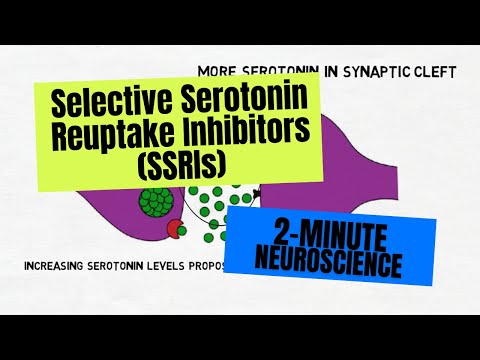
So, let’s talk about SSRIs for a sec. You know, those antidepressants that so many people take? They can be super helpful in managing things like anxiety and depression. But, there’s a flip side to all that goodness—side effects.
Sometimes, it feels like you’re trading one set of problems for another. Like, what’s up with that? I mean, you might feel more balanced but then deal with weird stuff like nausea or sleepiness. It’s a trip.
And the thing is, these side effects can really mess with your day-to-day vibe. It’s not just about feeling better; it’s about figuring out how to live life while dealing with some of these unexpected bumps along the way.
So let’s dive into what SSRIs can do to your mental health—both good and not-so-good—because knowing is half the battle, right?
Understanding Long-Term SSRI Side Effects: What You Need to Know for Mental Health
When you’re diving into the world of SSRIs—Selective Serotonin Reuptake Inhibitors—it’s easy to focus on the benefits they bring, especially for conditions like depression and anxiety. But, you need to understand **long-term side effects** too. Those aren’t just small details; they can really shape your experience with medication.
One common concern is weight gain. Some people notice that over time, they pack on a few extra pounds. This isn’t just about aesthetics; it can affect your self-esteem and even your motivation to stick with your treatment plan. A good friend of mine struggled with this after starting an SSRI. At first, she felt hopeful and energized, but as the months passed and the scale tipped up, she started feeling down about herself.
Another side effect is emotional blunting. This means you might find it harder to feel emotions as intensely as you did before—or at all. You could miss out on joy during happy moments or feel less connected with loved ones. Like when my buddy hit his anniversary, he felt a bit disconnected—not from his partner but from the occasion itself.
Sexual dysfunction is another issue that comes up a lot. Things like decreased libido or difficulties achieving orgasm can be tricky territory. It’s super personal to talk about these things, but it’s something many people deal with when taking SSRIs for extended periods.
Then there are issues related to sleep patterns. Some folks experience insomnia, while others might feel more sleepy than usual. Either way, it messes with your daily rhythm. For example, waking up in the middle of the night could lead to feeling groggy all day long.
Cognitive issues are not off the table either. Some users report *brain fog*—that feeling when you’re trying to think clearly but it feels like you’re underwater? Yeah, that’s annoying! You might struggle with memory or concentration even more than before you started taking medication.
Now let’s chat about withdrawal symptoms if someone decides it’s time to stop taking their SSRI after a long haul. Cold-turkeying can lead to some rough patches—think dizziness, irritability, or even flu-like symptoms. It’s not pretty!
It’s important to mention that everyone reacts differently: what one person experiences may not touch another at all—a bit like trying different flavors of ice cream! So if you’re concerned about any of these things while on SSRIs for a while, seriously consider having an open convo with your doctor or therapist—they’re there to help navigate this stuff with you.
Finally, don’t forget that mental health treatment isn’t just about meds; talk therapy plays a huge role! Sometimes just chatting through what you’re feeling or experiencing can make such a difference and help mitigate some of those potential side effects we talked about earlier.
Be proactive in understanding what these medications might mean for you in the long run. Being informed lets you take control of your mental health journey instead of just going along for the ride!
Understanding SSRI Side Effects in Women: Key Insights for Better Mental Health Management
When it comes to navigating mental health, understanding the effects of medications can be pretty crucial. SSRIs, or selective serotonin reuptake inhibitors, are commonly prescribed for depression and anxiety. They work by keeping serotonin levels balanced in your brain, which is great for mood. But there’s a catch. Let’s look at some side effects that can impact women specifically.
1. Weight Gain
A lot of folks notice some weight changes after starting SSRIs. It’s not just about the numbers on the scale; this can really mess with how you feel about yourself. Sometimes, weight gain might lead to frustration or even stop you from sticking to your treatment plan.
2. Sexual Dysfunction
Ah, this one’s a tough topic but important to mention. Many women report difficulties with libido or achieving orgasm when on SSRIs. You know how intimacy can be such a big part of life? This side effect can lead to relationship stress or feelings of disconnection. Seriously, it’s more common than you think!
3. Mood Swings
While SSRIs are meant to stabilize mood, some people experience emotional ups and downs as their bodies adjust to these meds. Imagine feeling like you’re on a rollercoaster despite trying hard to manage your mental health—yeah, that can definitely happen.
4. Sleep Issues
Sleep is super important for mental well-being, right? But SSRI use might throw off your sleep schedule—it could be insomnia for some or excessive sleepiness for others. Feeling tired all the time doesn’t help when you’re already dealing with anxiety or depression.
You might wonder why these side effects happen more prominently in women than men sometimes. Hormonal fluctuations play a role here; they can affect how someone reacts to psychiatric medications in general.
It’s also worth noting that not every woman will experience these side effects the same way—everyone’s body chemistry is unique! And sometimes it turns out that the benefits of taking an SSRI outweigh those pesky side effects.
If you’re concerned about any of these issues while on an SSRI, it’s so important to talk to your doctor or therapist about what you’re feeling—seriously, don’t hold back! There are options out there like different types of medications or complementary therapies that could help you find balance without sacrificing quality of life.
So yeah, while SSRIs can be a game-changer for many people struggling with their mental health, being aware of potential side effects is key for managing both your treatment plan and overall well-being effectively! Keep that communication open and prioritize what feels right for you.
Understanding SSRI Contraindications: Key Considerations for Safe Use in Mental Health Treatment
Alright, let’s break down the whole SSRI thing a bit. You’ve probably heard of SSRIs—they’re some of the most common medications for treating depression and anxiety disorders. But before diving in, it’s super important to understand their contraindications—that’s just a fancy way of saying situations where these meds might not be safe or effective.
First off, SSRIs can interact with other medications. If you’re taking certain drugs, like blood thinners or anti-seizure meds, combining them with an SSRI might not be safe. So if you’re on multiple prescriptions, chatting with your doctor is key. Your safety should always come first, you know?
Then there are things like pre-existing health conditions. If you’ve got liver problems or a history of bipolar disorder, careful consideration is needed. For example, people with bipolar disorder may find that SSRIs can sometimes trigger manic episodes. Not fun at all.
Another point worth mentioning is the age factor. In younger folks, especially teenagers and young adults, SSRIs have been linked to an increased risk of suicidal thoughts and behaviors. That’s pretty alarming! So doctors usually weigh the benefits against risks very carefully in this age group.
And don’t forget pregnancy and breastfeeding. If you’re expecting or nursing, some SSRIs can have effects on your baby. While many doctors prescribe them during pregnancy when necessary, they’ll consider both the benefits to your mental health and any potential risks to the little one.
Also—listen up! If you’ve ever had a bad reaction to an SSRI in the past (like crazy side effects), that’s definitely something to keep in mind when talking with your healthcare provider about starting another one.
Let’s not skip over serotonin syndrome, either! It’s a rare but serious condition that can happen if you take too much serotonin-boosting medication or combine these meds improperly—like SSRIs plus certain other antidepressants or even some street drugs. Symptoms include agitation, confusion, rapid heart rate…the list goes on!
Lastly—and this is vital—don’t stop taking SSRIs suddenly. Doing so can lead to withdrawal symptoms like dizziness or irritability (which is exactly what we’re trying to avoid!). Always consult your doc before making any changes.
So basically, while SSRIs can be lifesavers for many people dealing with depression and anxiety, understanding their contraindications makes sure you’re safe while using them effectively. Having open conversations with your doctor helps make informed decisions together about your mental health journey!
So, let’s talk about SSRIs, or selective serotonin reuptake inhibitors. These medications are like the go-to for treating depression and anxiety. They help boost serotonin levels in your brain, which is fantastic because more serotonin often means feeling better, right? But here’s the thing: they can come with some side effects that can really throw a wrench into the works.
I remember a close friend of mine who started taking an SSRI after struggling with overwhelming anxiety for months. At first, it seemed like a miracle. She felt lighter, more able to face her days without that constant weight on her chest. But after a few weeks, the side effects kicked in—like tiredness and some digestive issues. It was rough because she felt like she was trading one struggle for another.
Side effects can vary from person to person; some people might experience insomnia or decreased libido, which can feel pretty frustrating when you’re trying to improve your mental health. You know? It’s like you finally get a bit of relief from those heavy feelings but then you’re hit with these new hurdles that make everything feel complicated.
And it’s not just physical discomfort; these side effects can totally mess with how you view your progress and mental well-being. If you’re feeling drowsy all the time or just not quite yourself anymore, it can make you question whether the medication is really helping at all. That doubt alone can amplify feelings of frustration or disappointment.
But here’s where things get interesting. Many people find that once they adjust to these side effects—maybe through time or dosage changes—they start to notice more benefits than downsides. It’s kind of a balancing act, figuring out what works best for you while managing any pesky symptoms along the way.
Engaging with a therapist during this time can be super helpful too. They can help you process what you’re going through and maybe even offer additional coping strategies so those side effects don’t become overwhelming.
So yeah, SSRIs have their ups and downs—like many things in life! It’s important to keep talking about how you’re feeling with your doctor and loved ones because everyone’s journey is different. Finding that balance may take time, but getting there is part of the process of healing and finding what truly helps you shine again!