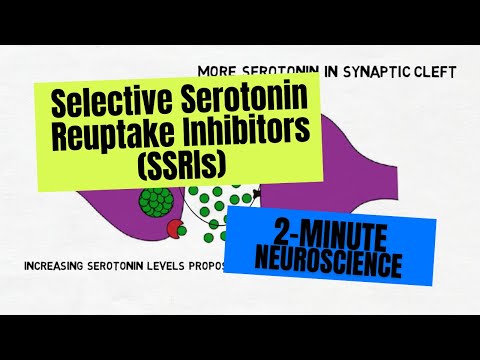
Hey! So, let’s talk about something that’s been thrown around a lot in the mental health world: SSRIs.
If you’re like most people, you might have heard of them but aren’t exactly sure what they do.
Look, it’s not super complicated—at least not when you break it down. Basically, they’re a type of medication that can really help folks dealing with things like depression and anxiety.
But there’s more to the story than just popping a pill. It’s about how these little guys work on your brain chemistry and what that means for your mood.
Ever felt kinda stuck in a fog? SSRIs are often part of the conversation when people are looking for clarity. So let’s dig into it!
Understanding the Side Effects of SSRIs: What You Need to Know for Mental Health
So, let’s talk about SSRIs, or selective serotonin reuptake inhibitors. These meds are like the, you know, go-to prescription for a lot of folks dealing with depression and anxiety. They work by boosting serotonin levels in your brain, which is like giving your mood a little lift. Sounds good, right? But there’s more to the story.
When you start taking SSRIs, you might notice some effects that aren’t exactly part of the happy package. It’s super important to be aware of these side effects so you don’t freak out if they happen to you.
Common Side Effects
First off, let’s go through some common side effects. You might experience:
- Nausea: This can hit pretty hard at first. Your stomach might feel all churned up.
- Weight Changes: Some folks gain weight while others lose it; it varies.
- Sleep Issues: Insomnia or drowsiness can mess with your rest.
- Sexual Dysfunction: This is a biggie! Many people report reduced libido or difficulties with orgasm.
- Dizziness: Feeling lightheaded sometimes? Yup, that can happen.
Now, I remember chatting with my friend Sarah who started on an SSRI after feeling really low for months. She was hopeful for change but ended up feeling nauseous most mornings for the first few weeks. It was rough! But her doctor told her this often gets better as her body adjusted.
Less Common Side Effects
Then there are side effects that are less common but still worth mentioning:
- Anxiety or Agitation: Paradoxically, some feel more anxious when starting treatment.
- Tinnitus: A ringing in the ears—that’s weird and can be annoying!
- Easy Bruising: Some people notice they bruise more easily on SSRIs.
These reactions can be unsettling if they pop up. If something feels off after starting medication, it’s totally okay to reach out to your healthcare provider about it.
The Adjustment Period
You know what? It often takes time for your body to adjust to SSRIs. The initial side effects usually ease up after a few weeks as your brain gets used to the extra serotonin floating around. So hang tight! But if things don’t improve—like if you’re still feeling weird after a month—definitely chat with your doc.
You’re Not Alone
Remember: You’re not alone in this experience. Many people take SSRIs and find their way past the bumps in the road. It’s also super important not to stop taking them suddenly unless your doctor says so because withdrawal symptoms can also hit hard.
In short, understanding these potential side effects helps prepare you mentally when diving into treatment. Being informed makes it easier to navigate any weird feelings that come up while taking SSRIs—and trust me; knowledge is power when caring for your mental health!
Understanding SSRIs in Psychology: How Selective Serotonin Reuptake Inhibitors Work for Mental Health
SSRIs, or Selective Serotonin Reuptake Inhibitors, are a class of medications often prescribed for mental health conditions like depression and anxiety. The thing with SSRIs is that they play a pretty important role in helping balance the chemicals in your brain. Specifically, they focus on increasing the levels of serotonin, which is a neurotransmitter that helps regulate mood, sleep, and overall emotional well-being.
So here’s how it works: when neurons in your brain send out serotonin to help transmit messages, some of that serotonin gets reabsorbed back into those neurons after it’s done its job. This is called «reuptake.» SSRIs basically block this reuptake process. By doing so, more serotonin stays available in the brain for a longer time. Pretty neat, right? This boost can really help with symptoms of mental health issues.
You might be wondering about the science behind this whole thing. Well, research shows that low levels of serotonin are often linked with depression and anxiety disorders. So by increasing the availability of serotonin through SSRIs, people can experience improvements in their mood and overall outlook on life.
It’s not just about feeling better though. SSRIs also help improve functioning in day-to-day activities. For example, if you’re dealing with social anxiety, an SSRI might make it easier for you to engage in conversations or try new things without feeling overwhelmed.
Here are some commonly prescribed SSRIs you might hear about:
- Fluoxetine (Prozac)
- Sertaline (Zoloft)
- Citalopram (Celexa)
- Escitalopram (Lexapro)
Of course, taking an SSRI isn’t always sunshine and rainbows—it can come with side effects like nausea or weight gain for some people. Every person’s body reacts differently, which means what works wonders for one person might not be great for another.
Let’s say you’ve been feeling super down after losing a job or having a rough breakup—like everything feels heavy and hopeless. A doctor might suggest trying an SSRI to see if it helps lift some of that emotional weight. It’s as if they’re giving your brain a little nudge back into balance.
And remember: while SSRIs can be effective tools in managing mental health conditions, they’re usually part of a broader treatment plan that can include therapy too! The combination of talking things out and having medication can work pretty well together.
So yeah, understanding SSRIs means grasping both their role in chemistry within our brains and how they’re used to support our mental health journeys. It’s all about finding what helps you feel like yourself again!
Exploring the Impact of SSRIs on Emotional Regulation: What You Need to Know
So, let’s talk about SSRIs. They stand for Selective Serotonin Reuptake Inhibitors. Sounds like a mouthful, right? But don’t worry, it’s not as complicated as it seems. These medications are often prescribed to help with things like depression and anxiety by increasing levels of serotonin in the brain. And serotonin is just a fancy word for a chemical that helps regulate mood.
When you take SSRIs, they work by preventing serotonin from being reabsorbed too quickly in the brain. Basically, they keep serotonin hanging around longer so you can feel more balanced emotionally. You know that feeling when you’re just kind of down and struggling to manage day-to-day stuff? Well, SSRIs can help lift that weight off your shoulders.
Now, the impact on emotional regulation can be significant. Here’s what you should know:
- Stabilizing Mood: Many people find that SSRIs help them feel more stable and less reactive to emotional triggers. Like when your friend cancels plans last minute and instead of feeling crushed or enraged, you just shrug it off.
- Reducing Anxiety: They can be really helpful for those racing thoughts or jittery feelings that come with anxiety. Think about having a busy mind that doesn’t shut off; SSRIs can help calm those thoughts.
- Side Effects: Of course, it’s not all sunshine and rainbows. Some people experience side effects like weight gain or feelings of numbness; it’s kind of like walking through fog instead of clear air.
- Takes Time: They’re not a magic pill! It might take several weeks to feel the benefits fully kicking in—so patience is key here.
- Tapering Off: If you decide to stop taking them, it’s important to do this under a doctor’s guidance because stopping suddenly can lead to withdrawal symptoms—like getting the spins after too many rounds with friends.
So picture this: Imagine someone named Jake who started taking an SSRI after feeling overwhelmed by work stress and personal issues. Before medication, he’d spiral into dark thoughts or lash out over little things—like forgetting his latte at Starbucks would completely ruin his day! But after being on an SSRI for a few months? He finds himself better able to handle stress without losing his cool every five minutes.
The takeaway here is that while SSRIs can seriously help with emotional regulation by balancing out mood swings and anxiety levels, everyone’s experience is different. Just like how your taste buds react differently to spicy food; what works wonders for one person might not do much for another.
SSRIs are just one piece of the puzzle in managing mental health, but they’ve helped countless folks find their emotional footing again—it all comes down to finding what suits you best!
You know, when it comes to discussing mental health, it can feel like everyone’s got their own vibe about things. One term that pops up a lot is SSRI. So, what’s the deal with SSRIs? Well, basically, they stand for selective serotonin reuptake inhibitors. Gosh, that sounds super technical, right? But hang on; it’s not as complicated as it seems.
SSRIs are a type of medication mainly used to treat depression and anxiety disorders. The way they work is pretty cool—at least in theory. They help increase levels of serotonin in your brain. And serotonin is super important! It’s like a mood stabilizer or happy juice for your brain. So if you’ve ever felt blue or anxious and wondered if there’s something out there that could help, SSRIs might be part of that conversation.
I remember chatting with a friend who went through a really tough patch. She was feeling overwhelmed all the time and couldn’t shake this heavy cloud hanging over her head. It was tough for her to even get out of bed some days. After trying different therapies and lifestyle changes without much luck, she talked to her doctor about medications and ended up starting an SSRI. It took some time—like weeks actually—but slowly she noticed a shift in her mood. She said it was like someone turned on the lights after being stuck in a dark room for ages.
But here’s the thing: SSRIs aren’t magic pills or something you take once and everything’s sunshine and rainbows. They can have side effects—sometimes weight gain, or trouble sleeping—that can make people hesitate to try them out at all. Plus, everyone reacts differently to medications; what works wonders for one person might not do much for another.
And let me tell you; it’s essential not to rely solely on meds either. Therapy can complement medication beautifully! A good therapist can help you sort through feelings while an SSRI might ease your depressive symptoms or anxiety just enough so you can actually engage in those therapeutic sessions.
In conclusion—or maybe I should say “to wrap this up”—SSRIs are a key player in mental health treatment options but remember they’re just one part of the puzzle! It’s always best to have open conversations with your healthcare provider about what feels right for you along that journey toward feeling better. Because at the end of the day, finding what works is all about putting together pieces of your personal mental health puzzle!