So, SSRIs, huh? You’ve probably heard about them. Maybe your buddy mentioned them, or you saw something online.
They’re these medications that people often use for mental health stuff. Seriously, they can make a difference in how you feel day to day.
But what are they really? And how do they work? Because let’s be real—mental health can be super confusing sometimes.
Maybe you’re feeling kind of lost yourself. Or maybe someone you know is going through a rough patch. Whatever the case, understanding SSRIs can be a game changer.
Just hang tight! I’m here to break it down for you.
Comprehensive List of SSRIs: Understanding Common Selective Serotonin Reuptake Inhibitors for Mental Health
When it comes to mental health, one class of medications that’s often tossed around is SSRIs, or selective serotonin reuptake inhibitors. Basically, they’re designed to help regulate the serotonin levels in your brain. And that’s a big deal because serotonin is linked to mood, anxiety, and even your overall sense of well-being.
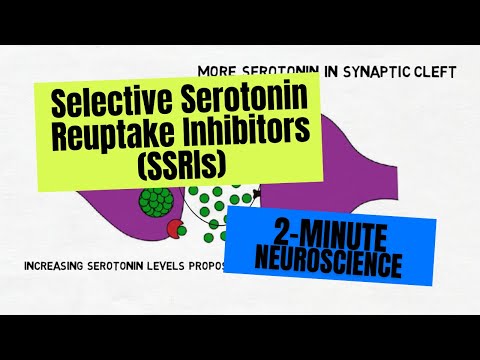
So, what are SSRIs exactly? Well, they work by blocking the reabsorption (or reuptake) of serotonin in the brain. This means there’s more serotonin available for your neurons to use. Sounds good, right? In theory, this can lift your mood and help with conditions like depression and anxiety.
Now let’s get into some common SSRIs you might hear about:
- Fluoxetine (Prozac): This was one of the first SSRIs on the market. It’s often used for major depressive disorder, obsessive-compulsive disorder (OCD), and panic disorder.
- Sertraline (Zoloft): Another favorite among doctors. It can treat depression, anxiety disorders, PTSD (post-traumatic stress disorder), and OCD as well.
- Citalopram (Celexa): Commonly prescribed for depression. It’s known for being pretty gentle on the system.
- Escitalopram (Lexapro): This one’s actually a refined version of citalopram and it’s commonly used for both depression and generalized anxiety disorder.
- Paroxetine (Paxil): It can be effective for severe anxiety as well as depression but tends to have more side effects compared to others.
Now here’s a little story. A friend of mine was dealing with pretty heavy depression. She felt like she was stuck in a fog for months—everything seemed dull and lifeless. After chatting with her doctor about it, they decided to try sertraline. Within a few weeks, she noticed subtle changes; colors seemed brighter, and she was actually enjoying her favorite music again! Of course, everyone reacts differently, but that journey from feeling lost to finding joy again is what these medications aim for.
But hold on a sec; SSRIs aren’t all sunshine and rainbows. Like any medication, they’re not without side effects. Some folks might experience nausea or headaches when they start taking them. Others might feel more anxious at first or have trouble sleeping. If you’re thinking about them or currently on them—always keep an open line with your doctor about how you’re feeling.
SSRIs usually take a couple of weeks before you notice significant improvements—so patience is key! Also important: never stop taking them suddenly without talking to your doc because that can lead to withdrawal symptoms.
In summary:
SSRIs can be helpful tools, but they’re just part of the equation when managing mental health conditions like depression or anxiety disorders. Medication isn’t the one-stop-shop solution; therapy and lifestyle changes play a big role too!
Remember that everyone’s mental health journey is unique—and what works wonders for one person might not do much for another. Always seek professional advice tailored to you!
Understanding SNRIs: How Serotonin-Norepinephrine Reuptake Inhibitors Improve Mental Health
Understanding SNRIs can feel a bit like navigating a maze, but I’m here to help break it down for you. So, what the heck are SNRIs anyway? Well, they stand for Serotonin-Norepinephrine Reuptake Inhibitors. Basically, these are a class of medications that can help elevate your mood and alleviate symptoms related to depression and anxiety by balancing certain chemicals in your brain.
Alright, so you’ve probably heard of SSRIs, right? Those are the Selective Serotonin Reuptake Inhibitors. They primarily focus on boosting serotonin levels. Imagine serotonin as a little helper in your brain that makes you feel happy. But with SNRIs, things get a bit more dynamic. They not only increase serotonin but also target norepinephrine.
Norepinephrine is another key player in regulating mood, alertness, and energy levels. Think about it this way: if serotonin is like that friend who keeps the positive vibes flowing, norepinephrine is the one who gets you off the couch and into action! By improving both neurotransmitters, SNRIs can be particularly beneficial if you’re dealing with conditions like major depressive disorder or generalized anxiety disorder.
But how do they work? Essentially, these medications block the reabsorption (or reuptake) of serotonin and norepinephrine in your brain. When these chemicals linger longer in the space between neurons (the tiny gaps where signals jump), it helps improve communication between them. So you’re looking at better moods and increased motivation!
Here’s where it gets real though: not everyone responds to medications in the same way. That’s why doctors usually start with lower doses to see how you’re feeling before adjusting it as needed—sorta like tuning an instrument until it sounds just right.
Now let’s talk side effects because they’re part of the package deal too, unfortunately! Some people might experience issues like nausea or trouble sleeping when starting SNRIs. But often these side effects subside after some time as your body adjusts to the medication.
It’s crucial to have open conversations about any concerns you might have with your doctor or therapist during this process; sometimes it takes trying different meds or dosage adjustments before hitting that sweet spot for what works best for you.
In short:
- SNRIs boost serotonin and norepinephrine levels.
- They work by preventing these neurotransmitters from being reabsorbed too quickly.
- This can help manage depression and anxiety effectively.
- Side effects can happen but often diminish over time.
So there you go! Understanding SNRIs doesn’t have to be complicated. With a little patience—and some good conversations with your healthcare provider—you may find them helpful on your mental health journey!
Understanding SSRI Side Effects: What You Need to Know for Better Mental Health
So, let’s talk about SSRIs, or selective serotonin reuptake inhibitors. These medications are commonly used to help manage mental health conditions like depression and anxiety. They work by increasing the amount of serotonin in your brain, which is a chemical that helps regulate mood.
Now, it’s super important to be aware of the potential side effects that can come with these meds. They’re generally well-tolerated, but you might run into some issues. Here’s what you need to know:
Common Side Effects:
- Nausea: Some people feel a bit queasy when they start taking SSRIs. This usually goes away after a little while.
- Weight Changes: You might notice you gain or lose weight while on them. Everyone’s body reacts differently.
- Sleep Issues: For some folks, SSRIs can disrupt sleep patterns. You could feel more tired during the day or have trouble sleeping at night.
- Sexual Dysfunction: This is something many people don’t talk about but can be significant. It might affect libido or make it harder to reach orgasm.
And look, everybody’s experience is unique. I once had a friend who started taking an SSRI and struggled with nausea initially—like she wouldn’t even want to eat breakfast! But over time, her body adjusted and she felt better overall.
Less Common Side Effects:
- Dry Mouth: A lot of people report their mouths feel super dry after starting SSRIs.
- Dizziness: Sometimes standing up too quickly can make you feel lightheaded.
- Anxiety or Agitation: Ironically, some folks might feel increased anxiety when they first start taking them.
Now here’s something that’s crucial: If you encounter side effects that bother you—or if they last longer than a couple weeks—it’s super important to chat with your doctor about it. Sometimes adjusting the dosage or switching medications can help.
The Long-Term Picture:
SSRIs are often prescribed for months or even years. While some side effects may fade as your body adjusts, others may stick around longer than you’d like. Knowing what could happen helps you stay proactive about your health.
And remember: taking care of your mental health isn’t just about meds—it’s also about therapy, exercise, and eating well. So yeah, SSRIs play an important role in managing mental health conditions for many people—but they’re part of a bigger picture.
In short? Understanding these potential side effects means you’re not going in blind—you’re empowered to advocate for yourself and get the support you need!
So, SSRIs, or selective serotonin reuptake inhibitors, are like the go-to meds when it comes to managing a bunch of mental health conditions. You know, things like depression and anxiety. The basic idea behind them is pretty straightforward: they help boost serotonin levels in your brain. Serotonin is that feel-good chemical that impacts mood, emotions, and even your overall sense of well-being.
A friend of mine was really struggling with depression for a while. I mean, she just couldn’t shake off that fog. Everyday tasks felt monumental. It was tough to see her go through that. She finally decided to talk to her doctor and ended up on an SSRI. At first, she was nervous about taking medication; there’s so much stigma around it, right? But after a few weeks, she started noticing a shift in her mood. Not like a magic wand or anything—more like the sun peeking out from behind the clouds for the first time in ages.
But here’s the thing: SSRIs aren’t some one-size-fits-all solution. They may work wonders for someone but not have much effect on another person. Everyone’s brain chemistry is different! Plus, there can be side effects—a bit annoying really—but sometimes it’s about finding that sweet spot between managing symptoms and dealing with unwanted reactions.
It’s also worth mentioning how important therapy can be when you’re using these meds. Seriously—it’s not just about popping pills and calling it a day! A combination of both can lead to better outcomes for many folks because therapy helps address underlying issues while SSRIs tackle the biochemical part.
In short, SSRIs have their place in mental health treatment but they’re just one piece of the puzzle. For anyone considering them or currently on them, communication with healthcare providers is key! It’s all about finding what works best for you on your unique journey toward better mental health.