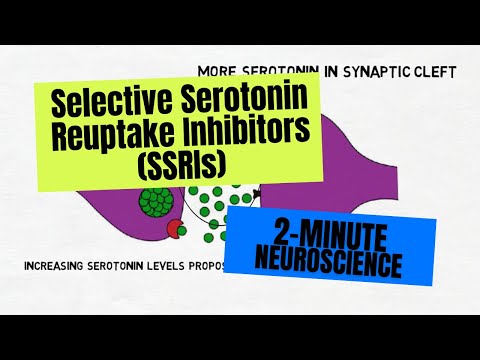
Alright, let’s talk about SSRIs. Seriously, they’re one of those things that people hear about all the time but don’t really get. You might’ve seen them in your social media feed or heard your friends mention them when they’re feeling down or anxious.
But what’s the deal with these medications? And why do they take so long to kick in? It’s not like waiting for the microwave to ding, you know?
The longest half-life SSRI is a bit of a heavyweight in the mental health world. It’s like that friend who always shows up late but brings the best snacks. So let’s break it down, shall we?
Exploring the SSRI with the Longest Half-Life: What You Need to Know for Mental Health Management
So, you’re curious about the SSRI with the longest half-life? You’ve come to the right place! Let’s break this down in a way that makes sense without getting all technical and stuff.
First off, **SSRIs**, or selective serotonin reuptake inhibitors, are a common type of antidepressant. They work by increasing the levels of serotonin in your brain, which is kind of like adding more happy fuel to your mood.
Now, when we talk about half-life, we’re really just saying how long it takes for half of a drug to leave your system. So the longer the half-life, the less often you have to take it. Pretty straightforward, huh?
The **SSRI with the longest half-life** is **fluoxetine**, commonly known by its brand name **Prozac**. With a half-life ranging from about 4 to 6 days in most people—though some can experience effects for weeks—it’s on the longer side compared to other SSRIs like sertraline or citalopram.
Here’s why that’s significant:
- Stability: Because fluoxetine sticks around longer, it can provide more steady relief from symptoms.
- Dosing Flexibility: You might not need to take it daily; some doctors might even suggest every few days depending on your situation.
- Withdrawal Effects: The longer half-life can mean fewer withdrawal symptoms if you decide to stop taking it. This is because your body isn’t left hanging suddenly.
But there’s always more to consider! Just because fluoxetine has a long half-life doesn’t mean it’s perfect for everyone. Responses can vary from person to person. Some folks feel great on it, while others may experience side effects like weight gain or insomnia—which is super frustrating when you’re just trying to feel better.
Let me share a quick story here: I once knew someone who struggled with depression and was prescribed Prozac. At first, they were skeptical because they’d tried different meds before without success. But after sticking with fluoxetine for a few weeks, they noticed improvements in their mood and energy levels that lasted much longer than previous treatments. It was pretty cool seeing them go through that transformation!
Anyway, if you’re considering this medication or any SSRI, remember it’s always best to chat with your healthcare provider. They can help navigate what works best for you based on your unique situation.
So that’s basically what you need to know about fluoxetine and its long half-life! It’s an option worth discussing if you’re looking at SSRIs for managing mental health concerns.
Top Antidepressants for Boosting Energy and Motivation: A Comprehensive Guide
So, let’s chat about antidepressants, especially those that can help with energy and motivation. When you’re feeling down or dealing with depression, it can sap your drive like a leaky battery. Some meds are specifically known to give that little boost to help you get through the day.
The thing is, not all antidepressants are created equal. Some might lift your spirits a bit but leave you feeling a little sluggish, while others can actually rev up your energy levels. It’s all about choosing the right one for you.
One of the classes of medications that often comes up in this convo is SSRIs, or selective serotonin reuptake inhibitors. These babies work by increasing serotonin levels in your brain—a neurotransmitter linked to happiness and mood regulation. But here’s where it gets interesting: there’s this concept of half-life. Basically, it’s how long a drug stays active in your system before you need another dose.
- The longer the half-life, usually means a more stable level of medication in your body. It helps keep your mood steady instead of yo-yoing.
- One of the longest half-life SSRIs out there is Prozac. It can stay in your system for weeks after stopping!
- This long duration can make it easier for some folks to stick to their treatment plan without feeling ups and downs too dramatically.
You might be asking yourself: “Okay, but how does this relate to energy?” Well, some studies suggest that Prozac might have energizing effects for certain individuals while they adjust. Of course, everybody’s different—what works like a charm for one person could feel flat for another.
Other SSRIs, like Sertraline (Zoloft) or Escitalopram (Lexapro), are also used widely. They don’t have quite as long of half-lives—but they’ve been shown to help many people find their footing again emotionally and potentially help with motivation.
This isn’t just science-y stuff; I remember chatting with a friend who had been on Sertraline. She felt like she was finally waking up again—like she could tackle her day instead of pulling the covers over her head every morning! That’s the kind of change these meds can inspire when they work well.
A couple things to keep in mind: Medication isn’t magic; it often takes time to find what works best for you. And side effects are real—you want to keep an eye out as sometimes they include drowsiness or even insomnia depending on how you personally react.
- If you’re looking at antidepressants specifically for energy and motivation, don’t hesitate to talk openly with your doctor about what you’re experiencing and seeking!
- NDRIs, like Wellbutrin (Bupropion), are sometimes prescribed when motivation’s lacking since they’re known for their stimulating effects too!
No two journeys are alike when it comes to mental health treatment—so whatever direction you go in, don’t lose hope! Talk things through with a healthcare professional who gets where you’re coming from.
Your feelings matter seriously—and finding the right treatment should boost not just your mood but also that spark inside! Keep pushing forward!
Understanding Long-Term Use of Zoloft: Is It Safe to Take Forever?
So, let’s talk about Zoloft, which is a pretty popular antidepressant. Its main ingredient, sertraline, belongs to a class of meds called SSRIs (selective serotonin reuptake inhibitors). These are often prescribed for things like depression, anxiety, and OCD.
Now, you might be wondering about the long-term use of Zoloft and if it’s safe to take it forever. Well, the truth is that there isn’t a one-size-fits-all answer here. Some folks find long-term use helps keep their symptoms in check, while others might face some challenges after extended use.
First off, what does “long-term” mean? Generally speaking, we’re talking about taking Zoloft for several months or even years. The longer you’re on it, the more you might start to wonder how it affects you.
Let’s break this down:
Now let’s address safety. Many studies suggest that using Zoloft for prolonged periods is generally safe for many people. Doctors often monitor patients regularly to make sure everything’s going smoothly—like checking in on any side effects or looking for signs of improvement.
But here’s where things get personal: everyone reacts differently! What works wonders for one person might not dance well with someone else’s brain chemistry. It really depends on your specific situation.
Psychiatrists often recommend reviewing your medication every so often—like maybe once a year—to see if it’s still doing its job or if adjustments are needed. This can involve switching meds or even taking breaks from them.
And don’t forget the context! If someone has severe depression and takes Zoloft as part of their treatment plan with therapy and lifestyle changes (like exercise and good sleep), that combo can really boost overall mental health.
So, let’s chat about SSRIs, like those selective serotonin reuptake inhibitors people hear about when it comes to treating depression and some anxiety disorders. You’ve probably heard about them being a go-to for mental health issues, right? But the thing is, not all SSRIs are created equal—especially when you look at their “half-life.”
Now, half-life is just a fancy term for how long it takes for half of a drug to be eliminated from your body. So if a med has a long half-life, it kinda lingers around longer. One of the longest half-lives in the SSRI family is Fluoxetine, which you might know as Prozac. What this means, you ask? Well, it sticks around and can take days or even weeks to clear out completely.
You might wonder why it matters. Well, if someone starts taking an SSRI like fluoxetine and forgets to take their pill for a day or two, they might not feel the abrupt drop in meds that someone on a shorter-acting one would experience. This can lead to fewer withdrawal symptoms or mood swings when you’re coming off it or adjusting your dosage—pretty neat!
But here’s where things get real. There’s this personal story I want to share. A friend of mine was struggling with debilitating anxiety and decided to give fluoxetine a shot after talking to their doctor. At first, things were rocky; they had some side effects that didn’t feel great—but eventually, after sticking with it for several weeks (and yes, giving time some time), they started feeling more like themselves again.
The cool part? Because fluoxetine lingers in their system longer than other options would’ve, my friend didn’t feel those sharp ups and downs that can sometimes happen with other antidepressants during adjustments. They found that idea comforting—it felt safer somehow.
Of course, everyone’s body is different; what works wonders for one person may not click for another at all! It’s super important to have good conversations with a healthcare provider who gets your unique situation.
When you think about how mental health treatments often involve trial-and-error kind of processes—having something like fluoxetine on hand with its long half-life could really make all the difference in how you navigate those tricky waters of finding what works for you.
So yeah, while SSRIs can be serious game-changers in managing mental health issues like depression or anxiety—it’s fascinating how something as simple as half-life can play such an important role in that journey. It’s all part of exploring what helps our minds feel balanced and healthy!