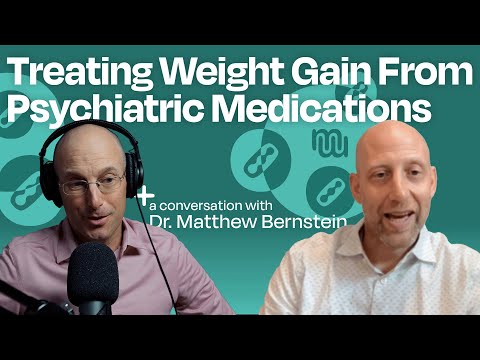
You know that feeling when you finally think you’ve found the right medication, but then bam! You start noticing those extra pounds creeping on? Ugh, it’s frustrating.
SSRIs, or selective serotonin reuptake inhibitors, are super common in mental health treatment. They can really help with mood and anxiety stuff. But let’s be real—one of the big concerns is often weight gain.
But what if I told you there are some SSRIs that don’t seem to pack on those unwanted pounds? Yeah, it’s a thing!
Let’s chat about which ones might just be your new best friends in managing mental health without sending your scale into overdrive. Sound good?
Top SSRIs for Anxiety: Discover the Best Options Without Weight Gain
So, let’s chat about SSRIs, or selective serotonin reuptake inhibitors, and their role in managing anxiety without packing on the pounds. Weight gain is a common concern for people taking these meds, and it’s totally valid to think about it when considering treatments.
SSRIs are pretty popular medications for anxiety disorders. They work by boosting serotonin levels in your brain, which can help improve your mood and reduce anxiety. But not all SSRIs are created equal when it comes to weight.
Some of the top SSRIs often recommended for anxiety with minimal weight gain include:
- Sertraline (Zoloft): This one is frequently used for various anxiety disorders and tends to have a more neutral effect on weight compared to others.
- Escitalopram (Lexapro): It’s also pretty effective for anxiety issues and, generally speaking, doesn’t lead to significant weight changes.
- Citalopram (Celexa): Similar to its sibling Lexapro, it’s known for being less likely to cause weight gain.
- Fluoxetine (Prozac): While sometimes associated with slight weight loss in some individuals, it can still be an effective option for anxiety management.
But here’s the thing—everyone’s body is unique. What doesn’t cause weight gain for one person might affect another differently. It’s kind of like how some people can eat nachos at midnight and not feel a bit guilty while others look at chips and gain five pounds. You know what I mean?
And let me tell you about my friend Sarah. She struggled with panic attacks and was prescribed sertraline. At first, she was worried about gaining weight like her cousin did while on another SSRI. But hey, after a few months of taking it, she felt way more in control of her anxiety without any noticeable change on the scale. That relief made such a difference in her life!
Of course, lifestyle factors play a role too—like diet and exercise—so if you’re thinking about starting an SSRI or switching ones, talking things over with your doctor is key. They can help find the right fit tailored just for you.
Another important thing is that even though these meds can be super helpful, they aren’t magic pills. Therapy alongside medication often gives you the best shot at feeling better overall.
So if you’re considering an SSRI to manage your anxiety but have a fear of gaining those extra pounds? Don’t sweat it too much! There are options out there that might work well without adding that stressor into the mix. Remember, finding what works best is crucial—and that journey is different for everyone!
Top SSRIs for Weight Loss: Which Antidepressant Can Help You Shed Pounds?
It’s kind of a big deal when people talk about the connection between antidepressants, like SSRIs, and weight changes. You might have heard that some folks gain weight while taking these meds. But did you know there are SSRIs that might actually help with weight loss or at least not pack on those extra pounds? Let’s break it down together.
SSRIs, or selective serotonin reuptake inhibitors, are commonly prescribed to treat depression and anxiety. They work by increasing levels of serotonin in the brain, which can help improve mood. However, one of the side effects for many people is weight gain. That doesn’t mean all SSRIs are created equal in this regard. Some may lead to more weight gain than others.
But here’s where it gets interesting: there are SSRIs that seem to have a lesser impact on your waistline. For example:
So what does this mean for you? Well, if you’re dealing with mental health issues but also worried about your weight, talking to your doctor about these specific meds might be worthwhile.
Now, let me share a quick story from a friend who has been there. She started taking an SSRI but noticed she was gaining weight steadily over a few months—and that totally freaked her out! After discussing options with her doctor, they switched her to fluoxetine after weighing the pros and cons. Over time, she found herself not only feeling better mentally but also not gaining any more extra pounds. It was like hitting two birds with one stone!
Of course, **everyone’s body reacts differently** to medications; what works wonders for one person may not work at all for another. That’s why it’s essential to keep an open line of communication with your healthcare provider.
In some cases, lifestyle factors can play a big role too—like diet and exercise routines—so don’t forget about those when considering your options.
Lastly, while looking at these medications can offer hope if you’re struggling internally and externally at the same time, never jump into anything without chatting it out first with a professional who understands your unique situation!
Exploring the Link Between SSRIs and Weight Gain: What You Need to Know
So, let’s talk about SSRIs, which stands for selective serotonin reuptake inhibitors. They’re a class of medications commonly prescribed for treating depression and anxiety. You’ve probably heard of some of them like fluoxetine (Prozac) or sertraline (Zoloft). They can be really helpful for a lot of people, but there’s a catch: weight gain can be a concern.
First off, the thing to know is that not everyone who takes SSRIs will gain weight. Some folks actually lose weight, while others might experience no change at all. But for some people, gaining weight while on these meds can feel like an unexpected side effect. If you’ve ever heard someone say they’ve packed on pounds after starting an SSRI, they’re not alone.
Why does this happen? Well, it’s all about how these medications affect your body. SSRIs boost the levels of serotonin in your brain—you know, that feel-good chemical? But this change can also mess with your appetite and metabolism. Some people end up feeling hungrier or craving different kinds of foods when they’re taking these meds.
Now, not every SSRI affects weight the same way. Here are some key points to consider:
- Fluoxetine (Prozac): This one is often linked to either minimal weight gain or even weight loss for some users.
- Sertraline (Zoloft): You might hear mixed reviews—it can lead to weight gain in some individuals.
- Citalopram (Celexa): Weight changes are possible here too; it’s pretty common to see folks gain a few pounds.
- Escitalopram (Lexapro): It might cause less significant weight changes compared to other SSRIs.
So why does it matter? Weight gain can impact how someone feels about their health and self-image. Imagine someone finally finding relief from depression only to struggle with their body image afterward—that’s tough! It’s totally valid to prioritize both mental health and maintaining a healthy weight.
If you’re thinking about starting an SSRI or are already on one and experiencing unwanted weight changes, don’t hesitate to chat with your doctor or therapist about it. Sometimes just switching medications or adjusting the dosage can help manage those side effects better.
And hey, there are other factors at play too—like lifestyle choices and changes in physical activity when feeling better emotionally. When you’re feeling down, getting up and moving might feel impossible; once you start feeling more like yourself again? Well, the energy can change everything.
In summary, SSRIs have their pros and cons—they might help lift your mood but also come with potential challenges regarding weight management. Keep communication open with your healthcare provider so you find the right balance that works best for you!
You know, when it comes to managing mental health, finding the right balance can feel like walking a tightrope. A lot of people look into SSRIs, like selective serotonin reuptake inhibitors, to help with issues like depression and anxiety. The thing is, weight gain can be a pretty big concern with some of these medications. If you’re struggling mentally and then also dealing with weight changes? That can add more stress, right?
I remember chatting with a friend who was considering starting an SSRI. She was super anxious about gaining weight because she had worked really hard to stay healthy. It was like this double-edged sword for her. On one side, she needed the meds to help manage her depression; on the other side, she was terrified of what they might do to her body.
But here’s the cool part: not all SSRIs are created equal when it comes to weight gain! Some have been found to come with minimal or even no noticeable change in weight. That’s something worth looking into if these meds are on your radar. Medications like sertraline or escitalopram might give you that hopeful boost without packing on extra pounds.
Of course, everyone’s body reacts differently—what works wonders for one person could throw another for a loop. So it’s all about trial and error sometimes. Talking things through with a doc or therapist can help you navigate this tricky landscape.
Ultimately, it’s about finding what works best for you without compromising your well-being—mentally or physically. And even though figuring out medication can feel overwhelming at times, remember: you’re not alone in this journey!