So, you know how life can throw some serious curveballs at you? Yeah, it happens to everyone. Sometimes, your brain’s just not playing nice. Enter SSRIs—these little pills are like sidekicks for your mental health journey.
They’ve become pretty popular in recent years. But what are they really all about? Well, they help people with depression and anxiety feel a bit more like themselves. You follow me?
You might be wondering if they’re magic or if there’s a catch. And hey, that’s totally fair! Let’s chat about how these meds work and why they’ve got such a place in modern mental health treatment. It’s kinda interesting stuff!
Comprehensive Guide to SSRI Medications: Types, Uses, and Effects
I’m really glad you’re curious about SSRIs, or selective serotonin reuptake inhibitors. These meds play a big role in treating various mental health issues, especially depression and anxiety. So, let’s break it down.
What are SSRIs?
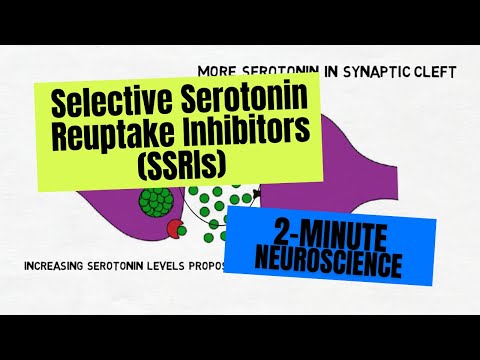
SSRIs are meds that help increase the level of serotonin in your brain. Serotonin is a neurotransmitter—a fancy word for a chemical messenger—that helps regulate mood, happiness, and overall feelings of well-being.
Types of SSRIs:
There are several common SSRIs:
Uses:
SSRIs are mainly prescribed for:
Now picture this: Emma struggled with anxiety for years. She found herself avoiding social situations because they made her feel uneasy. After chatting with her doc, she started on Lexapro. A few months later? She felt more at ease in those same situations—like a breath of fresh air.
Common Effects:
SSRIs can come with side effects—just like any other medication.
But here’s the catch: different people react differently! So while Emma found success with Lexapro without major side effects initially, someone else might have a totally different experience.
The Bottom Line:
SSRIs aren’t a magic fix—they take time to work and often come with pros and cons. But many find relief from their symptoms while taking them. It’s super important to chat openly with your doctor about how you’re feeling—whether that’s good or bad—if you’re considering these medications.
So remember: if you’re looking into SSRIs or just trying to understand how they fit into mental health treatment today, there’s always support out there!
Understanding SSRI Side Effects: What You Need to Know for Better Mental Health
So, let’s get into this, alright? When we talk about SSRIs (Selective Serotonin Reuptake Inhibitors), we’re discussing a common type of antidepressant. These meds are prescribed for conditions like depression and anxiety. The main idea behind SSRIs is to boost serotonin levels—this «happy chemical» helps regulate mood, so increasing it can really help people feel better.
Now, while these medications can be super helpful, they come with some potential side effects that you should definitely be aware of. Here are some of the more common ones:
- Nausea: This is one of the most reported side effects. A lot of folks feel queasy at first when starting SSRIs.
- Weight changes: Some people gain or lose weight while taking these meds. It’s important to keep an eye on this.
- Sleep issues: You might find it harder to fall asleep or stay awake during the day. It can totally mess with your sleep cycle.
- Sexual dysfunction: This is a biggie that many don’t like to discuss. It could impact libido or make it difficult to reach orgasm.
- Drowsiness or fatigue: You might feel more tired than usual—like you just can’t shake off that sleepy feeling.
These side effects can vary from person to person. For instance, I remember my friend who started taking an SSRI; she was all excited about feeling better but ended up feeling nauseous for weeks. She almost thought about stopping because the feeling was so uncomfortable! But after a little bit, her body adjusted and she started to see improvements not only in her mood but also in how that nausea faded away.
Sometimes it takes time for your body to adjust to these medications—like getting used to new shoes; they can pinch at first but eventually start to fit just right. It’s definitely something you should discuss with your doctor if any side effects become too much.
If you decide you’re not cool with the side effects—or if they stick around—talking with a healthcare professional is key. They might suggest switching meds or adjusting your dosage.
And here’s something else: don’t just stop taking SSRIs on your own! That could lead to withdrawal symptoms like dizziness or irritability, which no one wants, trust me.
In a nutshell, while SSRIs play an essential role in improving mental health for many people, being aware of potential side effects helps you prepare and communicate effectively with your healthcare provider. You know yourself best; don’t hesitate to speak up if something feels off!
Understanding SNRIs: How Serotonin-Norepinephrine Reuptake Inhibitors Improve Mental Health
Understanding SNRIs can feel a bit overwhelming at first, but let’s break it down together. So, you know how there are different types of medications for mental health? Well, SNRIs, or Serotonin-Norepinephrine Reuptake Inhibitors, are one type that has made significant waves in treating conditions like depression and anxiety.
What happens with SNRIs is they target two key brain chemicals—serotonin and norepinephrine. These guys play a huge role in your mood and emotions. When you’re feeling low, sometimes it’s because these neurotransmitters aren’t working like they should. SNRIs step in to help keep these chemicals available in your brain longer by blocking their reuptake.
Here’s the deal: When serotonin and norepinephrine linger around longer, it can help improve your mood! It’s kinda like when your favorite song keeps playing on the radio instead of fading out too early—makes you want to dance a little more, doesn’t it?
Now let’s talk about how SNRIs compare to SSRIs (which are Selective Serotonin Reuptake Inhibitors). While both types boost serotonin levels to help lift depression, **SNRIs have that extra punch** by also increasing norepinephrine. This can be especially beneficial if you’re dealing with fatigue or lack of motivation.
- Common SNRIs: Some well-known examples include venlafaxine (Effexor) and duloxetine (Cymbalta).
- Conditions Treated: They’re effective for major depressive disorder, generalized anxiety disorder, and even chronic pain conditions.
- Side Effects: As with any medication, there can be side effects like nausea or dizziness. It’s always a good idea to chat with a doctor about what to expect.
- Response Time: You usually need to give them some time—like weeks—to really see the benefits kick in.
I remember this one friend who really struggled with depression after losing their job. They tried SSRIs first but felt like something was still missing. After talking with their doctor about trying an SNRI instead, things started looking up over time! They said it felt like someone had turned the lights back on after being stuck in the dark for so long.
But here’s where it gets interesting: not everyone will react the same way to medications. That’s why working closely with a mental health professional is key when figuring out what works for you personally.
So if you’ve been hearing about SNRIs lately and wondering if they might help you or someone you care about feel better, just know there’s hope out there! Finding the right treatment can take some trial and error, but understanding what each option does is half the battle won!
When you think about the journey of mental health treatment, SSRIs—Selective Serotonin Reuptake Inhibitors—kind of stand out, don’t they? They’ve been around for decades now, and honestly, they’ve changed the game for a lot of folks. It’s wild to see how something that affects brain chemistry can have such a huge impact on someone’s daily life.
I remember a friend who really struggled with anxiety and depression. Like, it was tough to watch them go through that. They tried therapy, which helped a bit, but it was when they finally started on an SSRI that things began to shift. It wasn’t like a magic pill or anything; it took time to find the right one and adjust the dosage. But slowly, I saw them reconnect with the things that brought them joy—their art, their friends, even just getting out for a walk without feeling overwhelmed.
So here’s the thing: SSRIs work by increasing levels of serotonin in the brain. Serotonin is often called the “feel-good” chemical because it plays a major role in regulating mood, anxiety, and overall happiness. But it’s not as simple as just taking a pill and feeling better instantly. You might feel some side effects at first—like nausea or trouble sleeping—and that can really throw you off your game.
But what I find interesting is how people react differently to these medications. Some feel genuinely better; others might not notice much change at all or could even feel worse. And that’s totally valid! Finding the right fit takes patience and sometimes involves trying different meds until something clicks.
There’s also this stigma around taking medication for mental health issues like it’s somehow less valid than talk therapy or other treatments. Seriously though, we need to shift that narrative! If your brain’s chemistry needs some adjusting—not unlike how you’d take insulin for diabetes—why should you feel bad about it? It’s all part of taking care of yourself.
And while SSRIs are definitely helpful tools in modern psychiatry—they’re not magic bullets! Therapy often works best when paired with medication because working through emotions and experiences is vital to healing too. It reminds me of cooking; you need both spices (the emotional work) and main ingredients (medications) for a balanced meal (or life).
To wrap this up, SSRIs have their place in this vast world of mental health treatment—a significant one at that! They’ve helped countless people regain control over their lives so they can tackle everyday challenges with more resilience. Remembering there’s no one-size-fits-all approach is key; every journey is unique—and you should never hesitate to explore what works best for you on your path toward wellness.