You know, it’s wild how much we talk about antidepressants like they’re the magic bullet for mental health. SSRIs, or selective serotonin reuptake inhibitors, have been around for ages. But, let me tell you, not everyone feels the love from them.
Picture this: You’re struggling with anxiety or depression. You finally take that step to get help. The doc hands you a prescription for an SSRI and says it’ll change your life. Sounds promising, right?
But what if it doesn’t work? That’s a huge letdown. Seriously, disappointment can hit hard when you’re hoping for relief but just don’t feel any different.
And here’s the kicker—many people face that exact situation. It raises all sorts of questions about our mental health system and what it means to really heal. So let’s chat about that, shall we?
Exploring the Latest Advances in Antidepressant Research: What You Need to Know
Antidepressants have been a common go-to for people dealing with depression and anxiety for years. But, you know, there’s been some buzz about how effective they really are, particularly SSRIs (Selective Serotonin Reuptake Inhibitors). Let’s take a closer look at the latest happenings in antidepressant research and what that means for you or someone you know.
SSRIs and Their Effectiveness
So, SSRIs like fluoxetine (Prozac) and sertraline (Zoloft) have been prescribed like candy. They work by increasing serotonin levels in the brain, which is linked to mood improvements. But here’s the kicker: recent studies show that they might not be as effective for everyone as we once thought. Some folks report little to no relief from their symptoms after taking them for weeks or even months. Frustrating, right?
New Insights into Treatment
Research is ongoing, and scientists are exploring alternatives. For instance, some recent findings point towards rapid-acting antidepressants, like ketamine and its derivatives. These can provide quicker relief from depressive symptoms—sometimes within hours! Imagine feeling better in a day instead of waiting weeks; that sounds pretty appealing.
Other Options on the Horizon
There’s also more focus on psychedelic therapies, which have shown promise in clinical trials. Substances like psilocybin (the active ingredient in magic mushrooms) are being studied for their potential to help with treatment-resistant depression. Early results suggest that these treatments could offer significant benefits when combined with therapy.
The Importance of Personalized Care
You might be wondering what this means for mental health care overall. Well, it emphasizes how crucial it is to tailor treatments to individual needs. Everyone’s brain chemistry is different—what works wonders for one person may not do a thing for another! The mental health field is leaning towards more personalized approaches instead of relying solely on one-size-fits-all solutions.
The Role of Therapy
Let’s not forget about therapy! Cognitive Behavioral Therapy (CBT), alongside medication, has been shown to significantly improve outcomes for many individuals suffering from depression and anxiety. Sometimes just having someone to talk things through can make all the difference.
Anecdote Time: The Hunt for Help
I remember a friend who struggled with depression but felt let down by several rounds of SSRIs that did nothing much for her mood. It was disheartening watching her try time and again without success. Eventually, she found hope through therapy combined with lifestyle changes—yoga and meditation really helped her feel more balanced over time.
In short, while SSRIs are still widely used, their effectiveness is being re-evaluated amid new research offering hope through alternative treatments like rapid-acting medications and psychedelics combined with personalized care strategies. So if you or someone you care about isn’t finding relief with traditional options, know there might be other paths worth exploring!
Understanding SSRIs: Efficacy Compared to Placebo in Mental Health Treatment
SSRIs, or selective serotonin reuptake inhibitors, are a popular class of medications used to treat mental health conditions like depression and anxiety. The basic idea behind SSRIs is pretty straightforward: they boost serotonin levels in the brain, which can help improve mood and emotional well-being. But how effective are they really? That’s a question worth diving into.
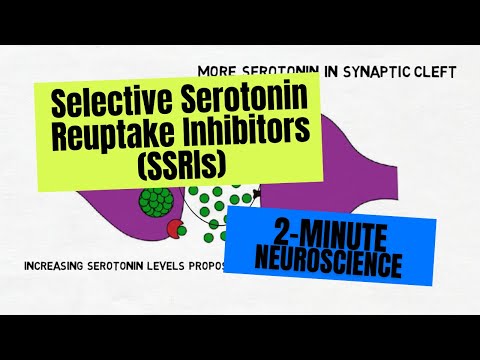
What’s the deal with SSRIs? Well, these medications work by blocking the reabsorption (or reuptake) of serotonin in the brain. This allows more serotonin to be available for use, which is thought to enhance communication between nerve cells. It sounds good on paper, right? But here’s where it gets a bit complicated.
Studies have shown that while SSRIs can be effective for many people, their efficacy compared to a placebo is sometimes questioned. A placebo is basically an inactive substance that doesn’t contain any active medication. Researchers often compare how well a drug works against a placebo to see if it’s really making a difference.
Here are some key points from the research:
- The response rate for SSRIs tends to be around 40-60%. This means not everyone responds, even when they’re taking them as prescribed.
- Some studies suggest that SSRIs may be only slightly more effective than placebos for mild cases of depression.
- However, for severe depression or anxiety disorders, SSRIs usually show clearer benefits over placebos.
It’s important to remember that individual experiences vary widely. You might find yourself feeling better on an SSRI while your friend doesn’t notice much change at all.
Here’s an example: Imagine two friends dealing with depression. One starts taking an SSRI and feels noticeably better within weeks; their energy returns and they enjoy activities again. Meanwhile, the other friend takes the same medication but feels no difference at all after several months. This kind of variability can make it frustrating when trying to determine if an SSRI is doing its job.
The placebo effect also plays a big role in mental health treatments. Sometimes people feel better simply because they believe they’re receiving help, even if it’s just a sugar pill! This psychological boost can make interpreting results tricky.
Moreover, stopping SSRIs suddenly can lead to withdrawal symptoms or worsening mood — so it’s crucial you don’t just quit them cold turkey without consulting your healthcare provider.
To sum things up: SSRIs can indeed help many people with depression and anxiety but not everyone will respond equally. It’s all about finding what works best for you while keeping in mind that sometimes it may take time and adjustments along the way! Taking care of your mental health means understanding that treatment isn’t one-size-fits-all. So explore options with your doctor or therapist—you deserve to feel your best!
Exploring the Long-Term Effects of Antidepressants: Can They Make Your Mental Health Worse?
So, let’s talk about the long-term effects of antidepressants, particularly SSRIs (Selective Serotonin Reuptake Inhibitors). You might’ve heard conversations buzzing around this topic. Some people swear by them, while others feel like they might have made things worse. Seriously, it’s a mixed bag.
SSRIs work by increasing serotonin levels in the brain. This neurotransmitter plays a big role in mood regulation. The idea is that more serotonin can help lift your spirits and reduce feelings of anxiety or depression. Sounds good, right? But here’s the catch: not everyone reacts to SSRIs the same way.
Some folks find relief from their symptoms, which is great! However, there are also cases where people experience side effects. These can range from weight gain and insomnia to sexual dysfunction. Imagine finally feeling a bit better but then dealing with extra pounds or a lack of interest in intimacy—it’s frustrating!
This brings us to something called emotional blunting. Some users report feeling kind of numb while on these medications. Like you’re just going through the motions without really feeling anything deeply—good or bad. That can be tough because it may prevent you from experiencing joy or sadness fully.
- Withdrawal symptoms: People sometimes face withdrawal symptoms when they try to stop taking these meds.
- Tolerance build-up: Over time, your body might get used to the drug, making it less effective.
- Anxiety rebound: Some find that their anxiety returns stronger once they stop using SSRIs.
You might be thinking that if SSRIs can cause all these issues, doesn’t that mean they could make mental health worse? It’s possible for some individuals. For instance, one person might start an SSRI and initially feel relief but then experience side effects or emotional numbness later on—leading them to feel even more frustrated than before.
The truth is not everyone will have the same experience with SSRIs. Some people may end up feeling worse—but others can genuinely find help through them. It’s all about understanding your own body and mind while working closely with a healthcare professional who can guide you through this maze.
If you’re considering antidepressants or already on them and wondering about their long-term effects, it’s super important to chat with your doctor about any concerns you have. They can tell you what’s typical versus what’s concerning based on research and your specific situation.
Your mental health journey is personal! So just know you’re not alone in navigating these complex waters—many have been there too!
You know, SSRIs, or selective serotonin reuptake inhibitors, have been the go-to for a lot of folks struggling with things like depression and anxiety. The idea is simple: these meds help boost serotonin levels in your brain, which can lift your mood. But here’s the kicker—while they work wonders for some people, others find them to be as useful as a screen door on a submarine.
I remember chatting with a friend who had been on an SSRI for years. At first, it seemed great! She felt more balanced and able to tackle her daily life without drowning in despair. But then, over time, the effects just… fizzled out. It was like they stopped working altogether. She felt stuck in this loop of trying one medication after another with no real relief in sight. It was frustrating and disheartening.
This inconsistency has serious implications not just for individuals but for the entire mental health landscape. People may start feeling hopeless if their primary treatment isn’t helping them. Imagine being told you have an option to feel better, only to find out that it doesn’t do squat for you after a while. That can lead to thoughts of giving up on treatment completely.
And it’s not just about those medications either; there’s this ripple effect that impacts therapy too. When someone is on SSRIs that aren’t working, it can throw off their whole therapeutic process because they’re still grappling with their symptoms while trying to engage in healing conversations.
Sometimes it feels like we’re all on this never-ending quest to find what works best for us individually—and that can be exhausting! The thing is, mental health treatment is super personal and what might be gold for one person could be stones for another.
So yeah, while SSRIs have their place and can genuinely help many people, it’s crucial to keep talking about those who don’t find relief from them. It shines a light on how important diverse treatment options are and how vital it is to tailor approaches based on individual needs—because everyone deserves that shot at feeling better, right?