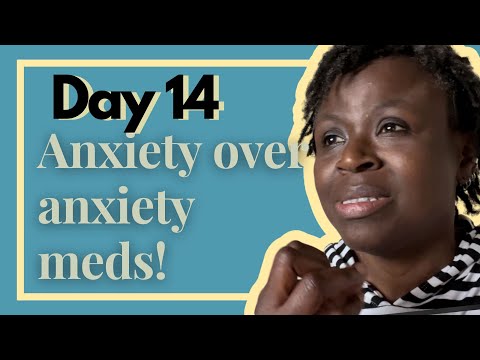
So, you’re thinking about starting sertraline? That’s a pretty big deal. I mean, it can feel like standing at the edge of a diving board, right? A mix of excitement and a little bit of fear.
You’re not alone if you’re feeling confused or overwhelmed. Lots of folks have been there. It’s totally normal to wonder what it’ll be like, or if it’ll even help.
I remember my friend Jess was in the same boat. She was nervous about taking that leap but ended up finding it a game-changer for her anxiety. It kinda opened up this whole new way for her to feel.
Anyway, we’ll get into what sertraline is all about and how to navigate this journey together. Because honestly, having someone to talk with makes it so much easier, doesn’t it? Let’s hop on this ride!
Understanding Initial Feelings When Starting Zoloft: What to Expect
When you start on Zoloft, which is just a brand name for sertraline, it’s totally normal to have mixed feelings about it. You might feel hopeful, anxious, or even a little skeptical. That’s all part of the journey. Let’s break down what you might expect in those early days.
Initial Reactions
First off, some people feel different pretty quickly after starting Zoloft—like within the first week or so. Others take longer to notice any changes at all. Your body needs time to adjust to the medication, and that can be a rollercoaster ride. Seriously.
Common Early Side Effects
You may experience side effects as your body gets used to the medication. Here’s a quick rundown:
- Nausea: This can be pretty common at first—like your stomach is doing somersaults.
- Fatigue: You might feel more tired than usual, wanting to nap more often.
- Insomnia: Or maybe you find it hard to sleep? It’s a real possibility.
- Dizziness: Feeling lightheaded can happen too—it’s like your brain is just adjusting.
- Anxiety: Ironically, some people notice their anxiety gets worse before it gets better.
Don’t freak out if you experience any of these! They usually fade away after a few weeks as your system gets used to the medication.
The Emotional Rollercoaster
You’ve probably heard that sometimes feelings can actually get heightened when you start Zoloft. Some folks might find their emotions feeling more intense or erratic for a bit. It’s like everything is turned up too loud! Maybe you’re crying easily or getting frustrated over things that normally wouldn’t bother you much.
There was this friend of mine who started Zoloft and found himself suddenly crying during commercials—like those fluffy puppy ads? Yeah. But he reminded himself this was temporary and his doctor told him it would pass.
The Waiting Game
Now here’s where patience comes into play: Zoloft often takes about 4-6 weeks for full effects. So if you’re wondering when things are going to improve, hang tight! It’s important not to rush the process or get discouraged if you’re not feeling great right away.
Sometimes talking with friends or loved ones about how you’re feeling can help lighten the load as you wait for those benefits to kick in.
Your Support Network
Having support during this time is crucial! Whether that’s friends who understand what you’re going through or professionals who can guide you through side effects—you don’t have to go it alone. Plus, sharing your thoughts with someone else can really make a difference.
So yeah, starting Zoloft or any new medication isn’t always smooth sailing—it requires some adjustment time! But with patience and support, many folks find they start feeling better in no time at all!
Exploring the Link Between Sertraline and Acne: What You Need to Know
So, let’s talk about sertraline and acne. Definitely a topic that can stir up some strong feelings, right? Sertraline is one of those antidepressants that belong to the selective serotonin reuptake inhibitors (SSRIs) family. People usually take it for conditions like depression and anxiety. But what about its effects on your skin? That’s something that’s not so commonly discussed.
First off, it’s vital to recognize that everyone’s body reacts differently to medication. Some folks might notice their skin getting clearer when they start taking sertraline, while others could experience breakouts. It’s like a wild card—you just don’t know how your skin will respond.
What you should know is that hormonal changes can play a role here. When you’re starting a new medication like sertraline, your body is adjusting to higher serotonin levels, which may influence hormones. And those hormonal shifts can sometimes lead to acne flare-ups. So if you suddenly start breaking out after starting this med, you’re not alone in feeling frustrated.
Another thing to consider is stress and anxiety. Often, these conditions can contribute to acne on their own. If sertraline helps you manage these symptoms better, in the long run, it could lead to clearer skin overall. But during those first weeks or months while your body adjusts? Well, that might be tricky for some people.
Now let’s touch on side effects. Common side effects of sertraline include gastrointestinal issues or headaches, but skin reactions aren’t as widely documented. If you’ve noticed more pimples or other skin issues since starting the medication—and you’re worried—it might be helpful to check in with your doctor or dermatologist.
There are times when adjusting the dosage can make a difference or trying another medication altogether might be necessary if acne becomes a persistent problem for you. Just remember: communication with your healthcare provider is key!
To wrap things up:
- Everyone has different reactions: Some may see clear skin; others may experience breakouts.
- Hormones and stress levels could affect how your skin behaves when starting sertraline.
- If you’re concerned about acne post-medication start, definitely chat with your doctor.
So yeah, navigating any mental health journey comes with its ups and downs—sometimes literally reflected on your face! Until you find what works best for you in both mind and body, hang in there!
Top Mistakes to Avoid While Taking Sertraline for Mental Health
Starting sertraline, or any medication for that matter, can feel like a big step. It’s like you’re stepping onto a new path with some unknowns ahead. But let’s talk about some common missteps to avoid while you’re on this journey. The goal here? Making your experience smoother and more effective.
Not Following Your Doctor’s Instructions
So, first things first: always stick to the dosage your doctor prescribes. It might be tempting to tweak it based on how you’re feeling, but that can mess things up. If you feel like the dose isn’t quite right, chat with your doc instead of making adjustments yourself.
Stopping Suddenly
You might think it’s fine to just stop taking sertraline if you’re feeling better, but that’s a no-go. Abruptly quitting can lead to withdrawal symptoms or even a return of what you were originally treating. Just like you wouldn’t want to take the brakes off while driving downhill, ease off the gas with your meds too—gradually and with guidance.
Expecting Instant Results
Sometimes people expect sertraline to work magic right away. But here’s the thing: it often takes several weeks for the benefits to kick in. Patience is key! You may feel off in those first few weeks while your body adjusts; that’s totally normal.
Ignoring Side Effects
If side effects pop up, don’t just shrug them off or hope they’ll go away on their own. They could be annoying and uncomfortable! Keep track of them and discuss with your healthcare provider; they might help adjust dosages or suggest alternatives if needed.
Neglecting Lifestyle Changes
Look, sertraline helps regulate mood and anxiety levels, but it works best when paired with healthy habits. Don’t forget about good nutrition, regular exercise, and enough sleep. Think of it as creating a support team for yourself—a solid foundation helps everything work better together!
Avoiding Check-Ins
When you start taking sertraline or any new med, frequent check-ins with your provider are super important at first. You want to talk about how it’s going and whether any adjustments need making based on what you’re experiencing—like fine-tuning a guitar for sweet music.
Keeping It To Yourself
Don’t isolate yourself! Share your feelings with friends or family who understand what you’re going through (or at least are willing to listen). Having that support can make all the difference; it feels good not going through it alone.
So yeah, navigating this whole process can be rocky sometimes. Just remember keeping an open line of communication with your doctor and being aware of how you’re feeling can go a long way in helping you get the most out of sertraline!
Starting sertraline can feel like a pretty big deal. You know, it’s one of those moments when you’re just ready to take a step for yourself, to find a little light in the darkness. It’s that leap you might take when you feel like you’re stuck in a bog—and then someone throws you a rope.
I remember when my friend Sarah decided to start taking it. She’d been feeling really low for months, battling with anxiety that seemed to swirl around her like an endless storm cloud. One evening, over coffee, she hesitated as she told me about the medication her doctor recommended. “I don’t wanna rely on pills,” she said, her voice wavering. But deep down, it was clear that she wanted something to change.
That’s what’s tricky, right? There’s so much stigma wrapped up in medication—like if you take it, you’re somehow less strong or something. But honestly? It doesn’t mean you’re weak! It means you’re human and you’re looking for help. Sertraline is meant to help balance things out; it’s about finding the right chemistry in your brain so you can face whatever life throws at you.
When Sarah finally took that step and started her first dose, I could see both hope and fear flicker across her face. The thing is, starting any medication isn’t just about swallowing a pill; it’s an emotional rollercoaster too! You may wonder what side effects might pop up—like nausea or fatigue—while also holding onto the hope that this will actually make your world feel more manageable.
And then there’s time. The waiting game can be rough too; sometimes it takes weeks before feeling those changes fully kick in. Patience becomes a close companion—even if you’re itching to feel better immediately. It’s like planting seeds in your garden—you might not see anything at first, but with care and time, things will blossom.
One last thing: support matters so much on this journey. Whether it’s friends who cheer you on or therapists guiding your way, having people who understand can make all the difference while navigating through this adjustment period.
So if you’re thinking about starting sertraline or any other medication for mental health issues? Just know it’s okay to have mixed feelings about it all—you’re not alone in this! Each step taken is progress towards brighter days ahead.