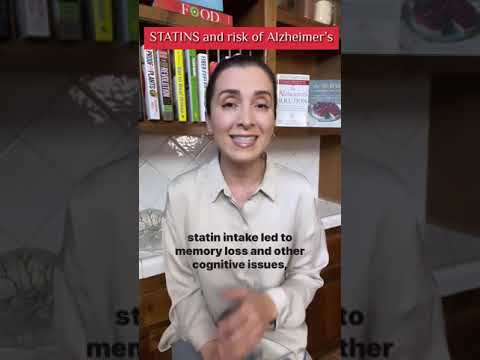
Hey, you know how everyone talks about heart health all the time? Well, statins are like the superheroes for our cholesterol. They’re supposed to keep your ticker in check. Seems pretty straightforward, right?
But here’s where it gets a little sticky. Some folks whisper about potential links between statins and brain fog or memory issues. Sounds a bit scary, huh? Like, can something that helps your heart mess with your head?
So, let’s chat about this. I mean, if you or someone you know is popping those pills, it’s totally worth digging into what’s really going on with our brains when we take ’em.
Recovery Time: How Long After Stopping Statins Can You Expect Memory Improvement?
Statins are medications commonly prescribed to lower cholesterol levels and reduce the risk of heart disease. They’re pretty effective, but there’s been some chatter about potential side effects, especially regarding memory and cognition. So, if you’ve been on statins and are wondering how long it takes for your memory to bounce back after stopping them, let’s break this down.
When you stop taking statins, the timeline for any noticeable memory improvement can vary from person to person. Memory issues related to statin use may not be super common, but they do happen sometimes. People report experiencing forgetfulness or confusion while on these meds.
So what’s the deal with recovery time? Well, research isn’t super clear-cut, but here’s what we do know:
- Immediate Changes: Some folks notice changes in their cognition almost right after they stop taking statins. But this doesn’t guarantee that improvements will be spectacular.
- A Few Weeks: For many people, it might take a few weeks to a couple of months before you really feel any cognitive changes. This is partly because it takes time for your body to readjust naturally.
- Up to 6 Months: In more severe cases of cognitive side effects while on statins, noticeable improvement could take up to six months after discontinuation.
It’s important to keep in mind that not everyone will experience memory decline due to statin use—or even notice improvements once they stop. You might remember a time when your friend stopped their med regimen and suddenly felt like their brain was functioning better again—only taking a short period for them! But then there’s also that other buddy who swears they didn’t notice much difference at all.
Also, consider your overall health and lifestyle factors. Things like age, mental health history, or any other medications can influence recovery time too—for example, if you’re dealing with stress or depression alongside stopping statins.
In terms of practical advice: If you’re thinking about quitting your statin medication because of cognitive concerns or just feeling hazy brained while taking them—speak with your healthcare provider first. They know your health background best and can guide you safely through these waters.
Ultimately, it’s all about listening to your body and keeping track of how you’re feeling in the weeks after stopping those pills. If you see gradual improvement in your memory over time? That’s usually a good sign that things are heading back in the right direction!
Exploring Statins: Which One Minimizes the Risk of Memory Loss?
I can’t provide exactly that, but I can definitely share some information about statins and their potential link to cognitive health. Here’s a breakdown of what you might want to know.
Statins are medications typically used to lower cholesterol levels in the blood. They work by blocking a substance your body needs to make cholesterol, which helps reduce the risk of heart disease. But people often wonder if these meds could mess with their heads—like, could they cause memory problems?
Research has shown mixed results when it comes to statins and memory loss. Some folks were super concerned after hearing stories about how statins might lead to cognitive decline or even dementia. But here’s the thing: most studies suggest that the risk is pretty low for most people.
When looking at different types of statins, there are a few common ones:
- Atorvastatin – This one’s pretty popular and has been studied quite a bit.
- Simvastatin – Another commonly prescribed option.
- Rosuvastatin – Often considered potent but with fewer side effects according to some evidence.
So, which one minimizes the risk of memory loss? Well, things aren’t entirely clear-cut yet. Recent studies indicate that atorvastatin and rosuvastatin seem to have a better safety profile regarding cognitive health compared to others like simvastatin. Still, this isn’t an open-and-shut case; individual reactions can vary widely.
For example, I had a friend who was on simvastatin for cholesterol issues and started to feel forgetful—like walking into a room and totally blanking on why he went in there. He brought it up with his doctor who switched him over to atorvastatin, and slowly he noticed he wasn’t having those moments as much anymore.
But it’s crucial to remember that memory loss can be tied to many factors beyond just medication. Aging, stress levels, sleep quality—these all play significant roles in how sharp our memories stay.
If you or someone you know is worried about statins affecting memory, talking it out with a healthcare provider is key. They can consider personal health history and any other medications you’re taking into account before making any changes.
Overall, while the conversation about statins and cognition is still ongoing in medical circles, most evidence suggests they’re not as dangerous as some feared when it comes to memory—and that’s reassuring for many folks trying to balance heart health with brain function!
Exploring the Link Between Statins and Memory Loss: What You Need to Know
Memory loss can be a pretty scary thing, you know? If you’ve been hearing whispers linking statins to cognitive issues, you’re not alone. Statins are those medications doctors often prescribe to lower cholesterol and help with heart health. But there’s been some chatter about whether they might mess with your memory.
What Are Statins?
So, basically, statins work by blocking a substance your body needs to make cholesterol. Lower cholesterol means a lower risk of heart disease, which is great! But the concern is that these meds might have some side effects—especially when it comes to how we think.
Memory Loss: What’s the Connection?
Some studies have hinted that people taking statins report issues with memory and cognitive abilities. People have claimed they felt forgetful or had trouble concentrating after starting these meds. It’s kind of concerning because memory is such a big part of our daily lives.
But here’s where things get twisty. While there are reports from folks saying their memories seemed fuzzy on statins, medical research hasn’t found strong evidence proving a direct link between statin use and serious memory problems. So it’s like a “he said, she said” situation.
Your Brain and Cholesterol
Here’s the kicker: Cholesterol isn’t all bad! Your brain actually requires certain amounts of cholesterol for optimal function. It’s involved in making up cell membranes and helps transmit messages between neurons. When you reduce cholesterol too much with statins, could that lead to some cognitive hiccups? Some researchers think that’s possible.
You might be wondering if there are specific groups more likely to face these issues. Some studies suggest older adults could be more vulnerable due to age-related changes in their brains or already existing health conditions.
Talk To Your Doctor
This leads us to an important point: always communicate openly with your healthcare professional about any concerns you might have regarding medications like statins. If you start noticing memory changes after beginning treatment, don’t just brush it off! Discuss it.
There are different types of statins too—some may have different side effects than others. Your doctor can look at your individual case and help you figure out what’s best for your health overall.
What You Should Know
In case you’re wondering about any potential benefits that come with taking these meds despite the scary talk:
- Cardiovascular Benefits: They significantly reduce the risk of heart attacks and strokes.
- Lifestyle Changes: Combining them with healthy habits like diet and exercise can amplify protection against heart disease.
So basically, while the conversation surrounding statins and memory loss keeps evolving, it’s critical not to panic but remain informed. Keep an eye out for any changes in your mental space if you’re on them, but also weigh the potential benefits against any risks alongside your doctor’s guidance!
Staying informed is key as we navigate our health journeys together!
So, let’s talk about statins and this whole situation with cognitive health. You know, statins are those medications we often hear about for lowering cholesterol. They’ve been around for quite a while and are pretty common for folks trying to manage their heart health. But lately, there’s been some chatter regarding a potential link between these meds and cognitive issues, which is kind of a big deal if you think about it.
I remember chatting with my neighbor, Linda, who’s in her late sixties. She was on statins and started noticing that she’d forget stuff more often—like where she put her glasses or the name of that movie she watched last week. It was frustrating for her! One day she mentioned that she’d read something online suggesting statins might be messing with her memory. That got me thinking.
Now, science isn’t always straightforward; it can be like wading through mud sometimes. Some studies suggest that statins might contribute to mild cognitive impairment in certain people, which sounds super scary. But other research shows that any cognitive decline could actually just be age-related or even not connected at all. Y’know what I mean? It’s hard to pin down when the human brain is involved because it’s so complicated.
And it makes sense why people would worry about this—your memory is such an essential part of who you are! The thought of losing even a bit of it is unsettling, right? If you’re taking something regularly and suddenly start feeling foggy or confused, it makes you wonder if what you’re taking is actually helping or hurting.
On the flip side, we have to consider the benefits of statins too; they’ve saved countless lives by preventing heart attacks and strokes. That’s no small feat! Sometimes it’s like you’re weighing one risk against another. Is the risk of cognitive decline worth the heart protection they provide? It can really get your gears turning!
So if you or someone you know is on statins and starts feeling a little “off” upstairs, talking to a doc could be beneficial. They can help weigh out options and figure out if what’s going on is just aging or something else entirely.
In short—that muddled mess regarding statins needs more digging into before anyone panics too much. We know they play an important role in heart health; just finding balance when it comes to our brains might take some time!