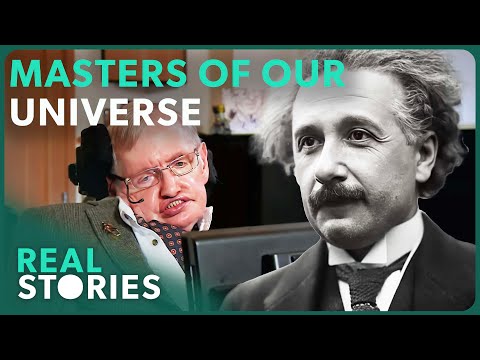
You know, Stephen Hawking was, like, a total genius. Right? But it’s not just the mind-blowing science stuff that gets people talking. It’s also about how he faced life’s challenges head-on.
This guy had an IQ that was off the charts. Yet, what really stands out is his mental resilience. I mean, seriously—how many people could keep pushing forward despite everything he went through?
So, let’s chat about what Hawking teaches us. It’s more than numbers and theories; it’s about grit and determination. In a way, he showed us all how to embrace our own battles and rise above them.
Stick with me as we dig into his incredible journey and the lessons we can learn from his life!
Unbreakable Spirit: Exploring Stephen Hawking’s Remarkable Resilience in the Face of Adversity
Stephen Hawking, known for his incredible contributions to science, really embodies what it means to have an unbreakable spirit. Diagnosed with ALS at just 21 years old, most people would have been crushed by that news. But not Stephen. Instead of letting the disease define him, he decided to redefine what it meant to live with such a challenge.
Imagine being told you may only have a few years left to live, and then going on to become one of the most celebrated physicists in history. That’s exactly what Hawking did. He faced immense physical challenges; by the end of his life, he could only communicate through a speech-generating device. Yet, his mind remained sharp and incredibly innovative.
His resilience was grounded in a few key aspects:
- Pursuit of Passion: Stephen was passionate about cosmology and physics from a young age. This passion fuelled his drive even when faced with debilitating symptoms.
- Support System: It’s clear he had an amazing support network—friends, family, and caregivers who encouraged him and believed in his work.
- Mental Fortitude: Hawking often emphasized the importance of maintaining a sense of humor. He once joked that “life would be tragic if it weren’t funny,” showing us how vital perspective is.
- Technology as an Ally: While ALS took away much of his physical abilities, technology played a huge role in allowing him to express his genius. The very device that helped him speak also represented a bridge between adversity and achievement.
His accomplishments were monumental. Theories on black holes and the nature of the universe are just small parts of what he contributed to humanity’s understanding of physics. It’s wild—talk about turning lemons into lemonade!
Hawking’s IQ has often been highlighted as another reason behind his remarkable capabilities. But while intelligence certainly plays its part, many believe that mental resilience is just as crucial—if not more so! You can be pure genius but lacking that grit? You might not get far when life throws curveballs your way.
In essence, Stephen Hawking showed us that being resilient isn’t just about facing challenges head-on; it’s about having passion for what you do, embracing your support network, finding humor even in dark times, and using available resources to your advantage.
He lived for decades longer than doctors predicted—a testament not just to medical care but also to an unshakeable spirit. His legacy lies beyond scientific breakthroughs; it lies in inspiring countless people facing their own adversities today.
So every time you feel like giving up or letting obstacles wear you down, remember Stephen Hawking’s journey—a beautiful reminder that human resilience can truly shine when it seems like all hope is lost.
Stephen Hawking’s Insights on IQ: What the Renowned Physicist Revealed About Intelligence
Stephen Hawking was not just a brilliant physicist; he also had some pretty insightful thoughts about intelligence and what it really means. His outlook on IQ can help us understand the bigger picture of mental resilience and genius.
First off, **Hawking’s IQ is often cited as around 160**, which puts him in that super high category of intelligence. But here’s the thing: he often stressed that **IQ isn’t everything**. Intelligence can show itself in many different ways, right? Just because you have a high score doesn’t mean you’re guaranteed success or creativity.
Think about it like this: when Hawking was diagnosed with ALS, he didn’t let that define him. Instead, he became more determined to make his mark on the world. This highlights an important aspect of intelligence—**mental resilience**. It’s about how you cope with challenges and setbacks.
Another point Hawking made is that intelligence should be viewed more holistically. He believed that **emotional intelligence** plays a crucial role in our ability to connect with others and understand complex emotions. So being smart isn’t just about crunching numbers or solving equations; it’s also about social skills, empathy, and navigating life.
Also, his work showed how important it is to stay curious. **Lifelong learning** was central to his approach. He believed that curiosity fuels innovation and growth. Even if someone doesn’t hit the books like a traditional genius would, they might still be incredibly intelligent if they’re constantly questioning the world around them.
In a way, **Hawking’s journey reflects a broader idea:** intelligence isn’t just measured by tests but by how we adapt and grow through experiences. It reminds us that everyone has their own unique strengths and ways of understanding life.
So next time you hear someone talking about IQ or genius, remember Stephen Hawking’s insights. Intelligence isn’t just about numbers—it’s about heart, resilience, and an unyielding curiosity for the universe!
Exploring Stephen Hawking’s Genius: The Intersection of Mental Health, Intelligence, and Resilience
Stephen Hawking was more than just a brilliant physicist; he was a symbol of resilience and intelligence. Dealing with a debilitating disease like ALS didn’t stop him from reaching incredible heights in the world of science. His story challenges how we view mental health and intelligence.
You know, when we think about intelligence, we often picture high IQ scores and academic achievements. Hawking’s IQ is thought to be around 160, which is off the charts! But really, what does that number even mean in the grand scheme of things? It’s like having a fancy car but never driving it. Intelligence isn’t just about numbers; it’s about how you apply knowledge to solve problems.
Mental health and genius can seem at odds with each other. But for many people, including Hawking, facing challenges can motivate them to push their limits. His diagnosis led him to find new ways to communicate and continue his work. This shows how resilience plays a big role in achieving greatness.
- Adaptation: Hawking had to adapt not just physically but mentally too. He used technology-driven aids to express his thoughts, showcasing amazing determination.
- Perspective: Many geniuses have faced adversity that shaped their perspectives. In Hawking’s case, he often spoke on how limitations can fuel creativity.
- Support Systems: His family and colleagues provided essential support throughout his life, reminding us that no one achieves greatness alone.
The thing is, being incredibly smart doesn’t mean you’re immune to struggles with mental health or emotional well-being. Even someone as brilliant as Hawking faced moments of doubt and frustration. Imagine having the mind of a genius but being trapped in your own body; that’s gotta be tough!
Anecdotes from those who knew him highlight his wit and humor despite his challenges—like his famous one-liners during interviews that reminded people he didn’t take himself too seriously! That kind of attitude is powerful because it blends intellect with humanity.
The connection between mental strength and intelligence is fascinating here. It shows us that resilience isn’t just about bouncing back—it’s about using every single experience to propel yourself forward, no matter what obstacles are thrown your way. As we look at Stephen Hawking’s life, we see how embracing both intellect and emotional tenacity can lead to groundbreaking achievements.
I mean, seriously? Who wouldn’t be inspired by someone who turned their limitations into a launchpad for innovation? That’s something worth reflecting on as we consider our own challenges in life.
Stephen Hawking, right? We all know him as this brilliant physicist who made huge contributions to our understanding of the universe. But did you ever stop to think about his IQ? It’s rumored to be around 160, which is seriously impressive. But here’s the thing—his genius wasn’t just about numbers or theories at all. It was about how he faced challenges with an unbreakable spirit.
You see, Hawking was diagnosed with ALS at a very young age, and that diagnosis meant he had to live with a progressive disease that would eventually take away his ability to move and speak. Can you imagine facing something like that? Most people might crumble under such pressure, but not him. Instead of allowing his condition to define him, he transformed adversity into fuel for his work. He wrote groundbreaking books, gave lectures, and inspired millions while battling a body that didn’t cooperate.
Mental resilience is this incredible quality that helps some individuals bounce back from hardship. It’s not just being tough; it’s also about adaptability and hope. Hawking didn’t hide away in his despair; rather, he embraced technology as it evolved around him. He used a speech-generating device to communicate—can you picture that? Imagine being stuck in your own body but still managing to express yourself so profoundly! That takes guts.
What I find really interesting is how we often link intelligence and success to traditional measures like IQ tests or academic degrees. But look at Hawking’s life! His brilliance shone through not only in formulas and theories but also in how he navigated life’s curveballs with optimism and creativity. He could have been bitter or withdrawn, yet he became this vibrant figure who shared laughter and wisdom with the world.
His story reminds us that genius isn’t just black-and-white numbers; it’s painted in shades of resilience, adaptability, and passion for life itself. So when we think about IQ—especially someone like Stephen Hawking—it’s essential also to consider the tenacity behind the mind. That combination might be what makes someone truly extraordinary.
So yeah, next time you hear about someone’s IQ or accomplishments, remember there might be a whole world of resilience behind those achievements waiting for us to notice it too.