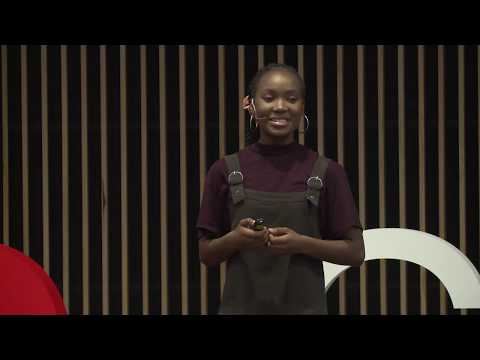
So, let’s talk about mental illness. You know, that thing we all hear about, but really don’t get?
It’s like there’s this huge cloud of stereotypes hanging over it. And honestly, it’s kind of exhausting.
People think they know what mental illness looks like or who it affects, but it’s not as cut-and-dry as they think.
I mean, have you ever had a day where your brain just feels off? Or maybe someone close to you has had a rough time? It doesn’t always scream “crazy,” right?
Sometimes, the toughest battles are the ones nobody sees. And that needs to change. We can do better, you know?
Breaking Down Mental Illness Stereotypes: Understanding Misconceptions and Their Impact
Mental illness has this reputation, right? Like, it’s often misunderstood and can carry a lot of stereotypes. These misconceptions can really mess with how people view those who struggle with mental health issues. It’s important to break this down because, honestly, it affects real lives.
So here’s the thing: one common myth is that people with mental illnesses are dangerous. This could not be further from the truth! Most folks dealing with these issues are not violent. In fact, they’re more likely to be victims of crime themselves than perpetrators.
Another stereotype you might hear is that mental illness is just an excuse for bad behavior. Seriously? That’s like saying someone with a broken leg just doesn’t want to walk! Mental health struggles are real and can’t just be brushed off like that.
Also, there’s this idea that therapy is only for the «weak.» You know what I think? Seeking help actually takes a lot of strength. Asking for support shows courage and a desire to better oneself, which is nothing but admirable.
Let me throw in the stigma around medications too. A lot of people think if you take meds, you’re weak or can’t cope on your own. But it’s not always about strength; sometimes it’s about finding balance in your life—like how we take vitamins or medicine when we’re sick.
Now, let’s talk about how all these stereotypes affect everyday life. Think about someone who needs support but feels ashamed because they don’t want to be judged or looked at differently. They might skip out on therapy or avoid seeking help entirely! This can lead to worsening symptoms—like anxiety or depression—that could have been managed earlier on.
These misconceptions also bleed into workplaces and schools, making it hard for individuals to speak up about their struggles without fearing backlash or being treated differently. It can create this cycle where people don’t get the help they need because they’re worried about how they’ll be perceived by others.
So what do we do? For starters, education plays a major role here—talking openly about mental health challenges helps cut through those nasty stereotypes. Normalize conversations around these topics so folks know they’re not alone.
And let’s make sure we’re listening without judgment. This means being compassionate and supportive if someone confides in you about their feelings or experiences—no matter how different those may seem from your own reality.
At the end of the day, breaking down mental illness stereotypes isn’t just about facts and figures; it’s also about fostering empathy and understanding in our communities. You’ve got the power to change perspectives just by chatting with someone or sharing your own story when you’re ready!
By challenging these longstanding beliefs together, you help clear the air and make space for meaningful conversations around mental health that really matter in our lives today—and that’s truly something special!
Understanding the Roots of Mental Health Stigma: Breaking Barriers to Open Conversations
Mental health stigma is such a big issue, right? It’s like this invisible wall that keeps people from having real conversations about their struggles. When you think about it, stigma basically means holding onto negative beliefs or attitudes toward something—in this case, mental health. It can really impact someone’s willingness to get help. So, let’s break down where this all comes from and how we can challenge those outdated stereotypes.
Historical Roots
You know, stigma around mental health isn’t new. It’s been around for centuries! Back in the day, folks with mental illnesses were often seen as dangerous or “possessed” by evil spirits. This idea led to fear and exclusion. Even today, remnants of those early beliefs linger in our society. Many people still associate mental illness with weakness or instability.
Media Influence
The media also plays a huge role in shaping perceptions about mental health issues. Movies and TV shows often portray characters with mental illnesses as violent or unpredictable—yikes! This creates a false narrative that feeds into fear and misunderstanding. When you only see these exaggerated portrayals, it makes it even harder to feel comfortable talking openly about your own experiences.
Lack of Education
Another key factor is the overall lack of education on mental health topics. Many people just don’t understand what conditions like depression or anxiety really are. Without knowledge, it’s easy for misinformation to spread like wildfire. Imagine trying to explain your struggle with anxiety but being met with blank stares because the person has no idea what that feels like. Not cool!
Cultural Factors
Cultural background plays a massive role too—some cultures view mental illness as a taboo subject best left unspoken. In certain communities, expressing emotions can be frowned upon, making it super difficult for someone to seek help when they need it most.
Busting Stereotypes
But here’s the good news: we can challenge these stereotypes! It starts with each of us being open and honest about our experiences. Sharing stories helps humanize these issues and shows others they’re not alone in their struggles.
- Start conversations: Talk to friends or family members about your feelings or mental health experiences.
- Encourage education: Share articles or resources that provide accurate information on mental health.
- Be mindful of language: The words we use matter! Avoid terms that perpetuate stereotypes.
When people share their stories without shame, it opens up room for empathy and understanding. You know how powerful it feels when someone else relates to your experience? That connection can break barriers faster than you think!
Ultimately, tackling this stigma is all about creating safe spaces where conversations can happen freely without judgment—where vulnerability is welcomed instead of shunned. If we all commit to being part of the solution, we might just see a shift in how society views mental health—and imagine how freeing that would be!
The Impact of Stereotyping on Individuals with Mental Health Challenges: Understanding the Effects
Stereotyping can be a real heavy weight for folks dealing with mental health challenges. It’s like carrying around extra baggage everywhere you go. When you think about it, society often paints a pretty distorted picture of what mental illness looks like.
First off, let’s talk about the misconceptions. People often believe that someone with a mental health condition is dangerous or untrustworthy. This, of course, is so not true for the vast majority. Most people just want to live their lives peacefully and manage their symptoms without all the judgment.
Think about this: Imagine walking into a room and sensing that everyone is whispering about you because they think you’re “crazy.” That kind of vibe can totally make someone feel isolated. It can wipe out their self-esteem, making them want to hide away rather than face the world.
- Fear of Stigma: Many individuals avoid seeking help due to worries about what others will think. This leads to untreated conditions and prolonged suffering.
- Employment Issues: Stereotypes can also impact job opportunities. Some employers might look at resumes differently if they see they’ve taken time off for mental health reasons.
- Relationship Strains: Friends and families might misunderstand or distance themselves due to stereotypes, thinking they know what someone’s struggles really mean.
You know? It’s pretty common for people with mental health challenges to feel judged all the time. Even small comments like “Just think positive!” or “Why don’t you just try harder?” can really sting. They start making you second-guess your feelings, as if your emotions are somehow invalid.
The thing is, these stereotypes create barriers that affect how people communicate about their struggles. They might hold back on sharing what they’re going through, which in turn can lead to feelings of loneliness and despair.
One day I was chatting with a friend who opened up about his anxiety but was then met with eye rolls from some buddies who thought he was just “overreacting.” You could see it hit him hard; he went silent for the rest of the night. Like, seriously? That’s not how we should treat each other!
Ultimately, breaking down these stereotypes is vital for creating understanding communities where everyone feels valued—no matter what’s going on in their heads! When we challenge those misconceptions openly, we allow space for honest conversations that can lead to healing and support.
So it’s crucial for all of us to realize: people are much more than their labels. They have dreams, stories, and strengths that go way beyond any stereotype thrown at them. Embracing this mindset changes everything!
You know, when we think about mental illness, a lot of stereotypes come to mind. Like, people often picture someone who’s totally unstable or maybe even violent. And that’s just not true for most folks dealing with these conditions. It’s frustrating because it creates this huge barrier for people to seek help or even talk about what they’re going through.
Take my buddy Jake, for instance. He’s a smart guy, super funny and friendly. But a few years back, he got diagnosed with anxiety and depression. At first, he was embarrassed to share that with anyone because he thought people would see him differently or think he was weak. How messed up is that? The truth is, everyone faces their own challenges in life—mental illness is just one of them.
Challenging these stereotypes means reminding ourselves that mental health is just as important as physical health. It’s all connected! People are not defined by their diagnosis; they’re still themselves, with hopes and dreams and fears like everyone else.
Social media plays a weird role in this whole thing too. On one hand, it helps spread awareness and connects people who feel isolated; on the other hand, it can sometimes reinforce those negative images we have about mental illness. So we’ve got to be mindful of how we portray it online and in conversations.
It’s also about empathy—putting ourselves in someone else’s shoes for a moment can shift everything. Instead of jumping to conclusions based on what we think we know about mental illness, why not ask questions? Listen? Because you never know how much someone’s been facing behind the scenes.
Ultimately, pushing back against these stereotypes takes time and effort from all of us. Every little conversation matters! If more people start sharing their stories—like Jake did—it could create ripple effects in our communities and encourage others to seek help without fear or shame. That’s the world I want to see: one where talking about mental health is as normal as chatting about the weather or your favorite TV show!