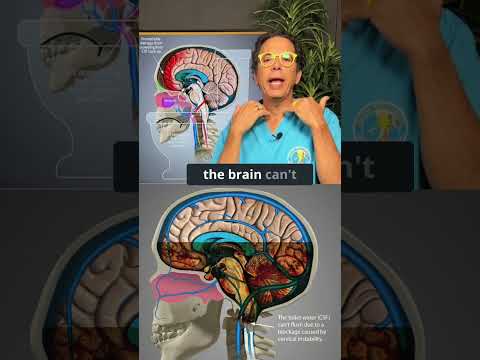
So, you know those days when your neck feels like a stiff board? And on top of that, your brain’s all foggy and just not working right? Yeah, that’s the worst.
It’s like you’re trapped in slow-motion. You’re trying to focus, but everything feels heavy. Seriously, talk about frustrating!
Sometimes, it’s not just about a long day at work or staring at screens too long. Those annoying little aches can mess with your clarity and mood.
Wondering how to shake off that stiffness and clear the fog? Well, you’re in the right place! Let’s figure this out together.
Exploring the Link Between Neck Stiffness and Brain Fog: Causes and Solutions
When you’re feeling that annoying neck stiffness along with brain fog, it can be super frustrating, right? You’re not alone in this. Many people experience these symptoms together, and while it seems random, there’s actually a link between them. Let’s break down why this happens and what you can do about it.
First off, what’s going on with your neck? If you spend long hours hunched over your phone or computer, you’re probably straining your neck muscles. This can lead to tension and stiffness. When those muscles are tight, they can compress nerves that connect to your brain. This might sound like a stretch (pun totally intended), but it can actually affect how clear your thinking is.
Now, moving on to brain fog—like when you feel cloudy-headed or can’t quite concentrate. One reason for this could be reduced blood flow to the brain due to the tense neck muscles. It’s like trying to drive a car with a clog in the fuel line; things just don’t run smoothly! Reduced circulation means less oxygen and nutrients reaching your brain, which can totally mess with your mental clarity.
So, what causes these neck issues? Here are a few usual suspects:
You might be wondering: “Okay great! But what’s the solution?” Well, let’s dig into some ideas:
Stretching and Movement: Regular stretching can really help loosen up those tight neck muscles. Even simple side-to-side stretches or shoulder rolls go a long way!
Posture Check: Seriously check in on how you’re sitting throughout the day. Aim for an ergonomic setup at work or use pillows that support good alignment when resting.
Meditation and Relaxation: Since stress is a culprit here too, finding time for relaxation techniques like deep breathing or meditation might help keep both tension and fog at bay.
Stay Hydrated: Believe it or not, dehydration can contribute to both muscle stiffness and fatigue in thinking. Keep that water bottle handy!
It’s also important not to ignore these symptoms if they persist. If you’ve made changes but still feel stuck in that foggy state with a stiff neck after some time—reach out for professional help. A physical therapist could offer targeted exercises just for you!
In summary: Neck stiffness and brain fog are more connected than we often realize! By understanding their relationship—and applying some manageable solutions—you’ll be on your way to clearer thoughts and more relaxed days. Keep checking in with yourself; care is key!
Unlock Your Focus: Effective Strategies to Reset Your Brain for Mental Clarity
Managing brain fog and stiffness in your neck is so important for getting back to clear thinking. When your mind feels hazy, you might struggle to focus, make decisions, or even just remember simple things. Elevating your mental clarity often starts with some basic strategies to reset how you’re feeling—both physically and mentally.
First off, **let’s talk about posture**. You might not realize how much slouching can affect your neck and your brain. When you’re hunched over—like when staring at a screen—blood flow can get restricted. This leads to muscle tension in the neck and contributes to that annoying brain fog.
To combat this, practice **good posture**. Set a timer every hour to remind yourself to sit up straight and give your neck a little stretch. Rolling your shoulders or gently tilting your head side-to-side can do wonders.
Then there’s the whole issue of hydration. You know how important water is for basically everything? Well, when you’re dehydrated, it’s like trying to run a car on empty—it just doesn’t work right. **Drinking water** helps keep your brain functioning smoothly and clears out toxins that can contribute to feeling foggy.
**Sleep is another biggie**. Seriously, if you’re skimping on sleep, you’re going to feel it mentally and physically. It’s during rest that our brains consolidate memories and refresh themselves for the next day. If you find yourself tossing and turning at night, try creating a calming bedtime routine or limiting screen time an hour before bed.
Also worth mentioning is **movement**! Getting up every so often for a quick walk can really help clear out the cobwebs in your mind. Just 10 minutes of fresh air or light exercise releases endorphins that boost mood and sharpen focus.
On top of all this physical stuff, consider adding some **mindfulness practices** into your day-to-day life. Meditation or deep-breathing exercises are powerful tools for reducing stress—a common culprit behind brain fog. By taking even a few minutes each day to focus on breathing or being present in the moment, you’ll find it easier to think clearly.
Lastly, don’t underestimate the impact of nutrition on mental clarity! Eating balanced meals filled with vegetables, fruits, whole grains, lean proteins—and maybe even omega-3 fatty acids from fish—can support brain health significantly.
So let’s recap some key strategies:
- Practice good posture.
- Stay hydrated.
- Prioritize sleep.
- Incorporate movement throughout the day.
- Try mindfulness techniques.
- Focus on nutritious eating.
All these little changes together? They add up! Instead of feeling overwhelmed by that stiff neck or lingering fogginess in your mind, adopting these habits can lead you back toward mental clarity and overall better well-being. Remember: it’s all about consistency!
10 Instant Strategies to Clear Brain Fog and Boost Mental Clarity
Managing brain fog and a stiff neck can feel like a real drag, right? You’re not alone in feeling that fuzzy-headed experience. But, there are some strategies you can try to help clear things up and boost your mental clarity. Let’s jump into it!
1. Stay Hydrated
Water is your best friend. Seriously! Dehydration can lead to brain fog, so make sure you’re drinking enough throughout the day. Think about keeping a water bottle close by.
2. Stretch It Out
If your neck is stiff, gentle stretches can work wonders. Try slowly turning your head from side to side or tilting it back and forth. It’s amazing how just a few minutes of stretching can lighten your mental load.
3. Mindfulness and Breathing
Taking a few deep breaths can really help clear your mind. Just sit comfortably, close your eyes, and inhale deeply through your nose, then exhale slowly through your mouth. It’s like giving your brain a little reset button.
4. Short Breaks
When you’re working on something for too long, give yourself short breaks—like every 25-30 minutes for just 5 minutes of stretching or walking around. This helps keep everything fresh up there.
5. Get Moving
Exercise releases endorphins that can elevate mood and clear mental fog. You don’t need to run a marathon—just some brisk walking or even dancing around the living room could lift those clouds.
6. Adjust Your Posture
Believe it or not, slouching can affect how you think! Sitting up straight helps improve blood flow and oxygen to the brain, which is crucial for clear thoughts.
7. Nourish Your Brain
Some foods like nuts, fish, berries, and dark chocolate can help with clarity because they provide essential nutrients for brain health—think of them as brain fuel!
8. Limit Screen Time
Staring at screens for too long? Maybe it’s time to check in with yourself and take a break from tech now and then; it might just help declutter those thoughts bouncing around in your head.
9. Sleep Matters
Getting good rest is key! Lack of sleep definitely contributes to brain fog and stiffness in the neck area too; so aim for 7-9 hours of quality sleep every night if you can.
10. Seek Professional Help if Needed
If you find that these strategies don’t cut it after trying them out for a while, consider reaching out to a professional who understands mental health better than anyone else—it could be worth checking into!
Incorporating even some of these little habits into your routine could make a big difference over time in how you feel both physically and mentally! So go easy on yourself; we all have those moments when our brains are clouded—it happens! Just keep at it until you find what works best for you!
You know those days when you wake up and feel like your neck is made of concrete? Seriously, it’s like trying to turn your head in slow motion. And then, on top of that, there’s this cloud of brain fog hovering around. It’s exhausting! You can’t quite think straight, and just moving feels like a chore. Ugh.
I remember a time when I had this awful stiff neck from staring at my phone too long, mixed with that annoying brain fog. It was one of those busy weeks at work where deadlines were piling up. Every time I tried to focus on a project, my thoughts were all jumbled up. I felt like I was trapped in my own brain, which is no fun at all.
So what’s going on here? Well, there’s definitely a connection between physical discomfort and mental clarity. When your neck hurts, it can mess with blood flow and oxygen to the brain. Like, if you’re tense in one area, it can send signals all over the place that leave you feeling scattered.
Now, about managing this stuff—there are some simple things you can do! Stretching is key; even just gentle neck rolls or shoulder shrugs can really help reduce that stiffness. And honestly? A little mindfulness or meditation can clear away some of that fog too. Imagine taking just five minutes to breathe deeply and reset your mind—it sounds small but trust me, it makes a difference.
You might also wanna think about how much screen time you have each day. Taking breaks is crucial! Set a timer for every hour or so to step away from the screen or wiggle around a bit—your neck and brain will thank you later.
Staying hydrated is another thing people often forget about! Sometimes the simplest solution works best: water can help keep your energy levels steady and your mind sharp.
All in all, managing that stiff neck and pesky brain fog isn’t rocket science; it’s about being kind to your body while respecting what it needs for clarity. So next time you feel that tension creeping up or find yourself lost in thought, take a moment to stretch it out or breathe deeply—and see if things start looking clearer!