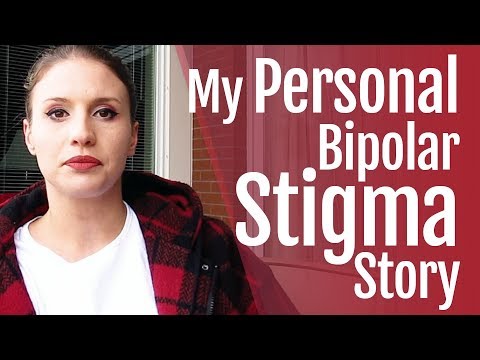
You know, bipolar disorder is one of those things people often misunderstand. It’s a label that gets tossed around like confetti, but it’s so much deeper than that.
Imagine riding a roller coaster—up and down, fast and slow. That’s kind of what living with bipolar feels like. And yet, so many folks face judgment instead of support.
It can be tough to talk about it when society has those preconceived notions. You’ve probably heard things that just make you roll your eyes, right?
But seriously, let’s break this down. Understanding bipolar disorder matters, not just for people living with it but for all of us. We can change the conversation, one chat at a time.
Understanding Bipolar Disorder: Common Stigma Examples and Their Impact
Bipolar disorder is often misunderstood, and that fact can make life tougher for those dealing with it. So many folks carry around outdated ideas about what it means to have this condition. The stigma surrounding bipolar disorder not only affects how others see someone with the condition but also how that person views themselves. That’s where things get really tricky.
You might’ve heard people say things like, “Oh, she’s just being dramatic,” when they see someone experiencing mood swings. This kind of comment seriously downplays what someone with bipolar disorder faces daily. It’s not just a flair for the dramatic; it’s a real mental health condition that can throw someone’s life into disarray.
Then there are those blanket statements—like saying all people with bipolar disorder are dangerous or violent. Honestly? That’s just not true at all. Most individuals manage their lives just like anyone else, but because of this stigma, they often feel they have to hide who they are. Imagine carrying that weight around!
The issue is compounded by media portrayals too. Films and shows sometimes depict characters with bipolar disorder as being unpredictable or wildly irresponsible, which can reinforce these stereotypes. When was the last time you saw a movie where someone managed their bipolar symptoms successfully in a realistic way? It can be frustrating to see mental health simplified like that.
Many people have shared emotional stories about facing stigma directly and how it affected them deeply. For instance, a friend of mine once told me about her struggle to find a job after revealing her diagnosis during interviews. She got the sense that employers were worried she’d be unstable or unable to handle stress when, in reality, she had learned effective coping strategies through therapy and medication.
This stigma isn’t just annoying; it has real-life consequences too!
So here’s the thing: we need more open conversations about bipolar disorder and mental health in general! Breaking down these stigmas starts with understanding what the condition truly entails and supporting those who live with it every day.
In short, if you come across someone dealing with bipolar disorder—or any mental health issue—remember to approach them without judgment. We’re all human beings going through our own stuff, right? Your kindness could mean the world to someone feeling isolated because of stigma.
Breaking Down Stereotypes: Understanding Bipolar Disorder and Its Misconceptions
Bipolar disorder is often wrapped in a lot of misconceptions. You may have heard folks say things like, “Oh, they’re just being moody,” or “Isn’t that just another term for being dramatic?” But those ideas really miss the mark. Let’s break it down a bit.
First off, bipolar disorder isn’t about moodiness. It’s a serious mental health condition characterized by significant shifts in mood, energy, activity levels, and the ability to carry out daily tasks. These shifts can lead to emotional states that are incredibly intense. On one side, you’ve got **mania**, which is like an extreme high—lots of energy and excitement, sometimes to the point where it feels almost unstoppable. Then there’s the other side: **depression**, where everything can feel really heavy and dark.
One common stereotype is that people with bipolar disorder are unpredictable or dangerous. But here’s the thing: most people with this condition aren’t violent or chaotic. Instead, they’re dealing with a complex internal world that many don’t understand. Imagine feeling like you’re on a roller coaster every day—some days up high and flying; other days so low you feel trapped in your own mind.
Another misconception is that bipolar disorder only affects emotions or moods. In reality, it can impact various aspects of life including relationships and work performance. You could be in a great place at work one moment during mania—full of creativity and ideas—and then find yourself unable to get out of bed during a depressive episode.
Moreover, there’s stigma around seeking help for bipolar disorder. Many believe that if someone reached out for therapy or medication, they’d be labeled as “crazy.” This couldn’t be further from the truth! Just like any other chronic illness—say diabetes or asthma—bipolar disorder needs **treatment** and support to manage it effectively.
Some folks think medication equals a loss of creativity or self-expression too. But, seriously? There are countless artists and musicians who live with bipolar disorder who create some seriously amazing stuff while managing their symptoms with treatment!
Even the term “bipolar” itself can be misunderstood; many think it means just having two moods—happy and sad—which is way too simplistic! It’s more about experiencing ups (mania) and downs (depression) on a spectrum that doesn’t always fit neatly into those boxes.
To challenge these stereotypes effectively, let’s talk about empathy! Understanding this condition is super important; we all have our struggles after all! If we approach the topic with an open heart instead of judgmental ears, we might just foster an environment where conversation can flow freely.
Shattering Mental Health Myths: How to Break the Stigma and Foster Open Conversations
Mental health is such a crucial part of our overall well-being, but it still carries a lot of stigma, especially when it comes to conditions like bipolar disorder. It’s so important to break down those barriers and have real conversations about what these experiences are like. You know how people often think they know what bipolar disorder is all about? Well, that’s just one of the many myths floating around out there.
One big myth is that people with bipolar disorder are dangerous or unpredictable. Seriously, that couldn’t be further from the truth! People with this condition can lead perfectly normal lives and have meaningful relationships, careers—everything anyone else does. It’s not about being a risk to others; it’s more about managing mood swings that can be tough for them but not necessarily harmful to you.
Another common misconception is that bipolar disorder is just extreme moodiness. But it’s so much deeper than that! Think about it: this illness involves cycles of highs (mania or hypomania) and lows (depression) that can last days, weeks, or even longer. When someone is in a depressive phase, they might feel hopeless and struggle just to get out of bed. And during manic phases, they might feel on top of the world but can also make impulsive decisions that affect their lives negatively.
So how do we start breaking this stigma? Here are some ideas:
- Start Conversations: Open discussions with friends or family members can help reduce misconceptions.
- Share Personal Stories: If you’re comfortable sharing your own experiences, they can humanize the condition.
- Educate Yourself: Understanding what bipolar disorder really entails helps debunk myths.
- Support Mental Health Initiatives: Join or support organizations working towards mental health awareness.
For example, I once had a friend who thought that someone with bipolar disorder was just “acting up” during their manic phase. After talking openly about the struggles his friend faced—like not being able to sleep for days and then crashing hard into depression—he started to understand how serious it could be. That sort of empathy makes a huge difference!
It’s also worth mentioning treatment options because some people think that once you hear “bipolar,” it means endless therapy sessions or meds for life—and while treatment is important for many folks, it looks different for everyone. Some may benefit from therapy alone; others might use medication as part of their toolkit; and many find a mix works best.
Breaking down these walls takes time and consistent effort from all sides. We all need to keep talking openly and supportively if we want to change the narrative surrounding mental health conditions like bipolar disorder. Every conversation counts! So next time you hear a myth being told as fact, speak up; you might be changing someone’s mind—and maybe even saving them from feeling alone in their struggles.
In the end, let’s remember: mental health isn’t something we should hide in shame but something we embrace together—because everyone deserves understanding and compassion!
Bipolar disorder, man, it’s one of those things that people don’t really get, you know? It’s like this silent shadow that looms over those who live with it. I remember this friend of mine, Sarah. One minute she was bursting with energy, planning skydiving trips and writing a novel, and the next, she was curled up on her couch for days, feeling like she could barely put on pants. That whiplash feeling is real.
Society has this knack for slapping labels on people. When someone says “bipolar,” a lot of folks picture wild mood swings or dramatic outbursts. But let me tell you: it’s way more complex than that. Bipolar isn’t just a party trick for attention; it’s a serious mental health condition that affects so many lives in different ways.
The stigma around it? It’s pretty heavy. It’s like standing in front of a brick wall when all you want to do is break through it and be understood. Sometimes people hear «bipolar» and back away slowly, as if they’re suddenly scared you might bite them or something! There’s a misconception that people with bipolar disorder are somehow “dangerous” or not to be trusted—when in reality, all they really want is acceptance and support.
Being open about these struggles helps chisel away at that barrier. Like Sarah—she shared her journey on social media one day and got so much love back! It was amazing to see how many folks rallied around her when she showed her true self instead of hiding behind the stigma.
Honestly? We need more conversations about bipolar disorder—real conversations. Not just the textbook definitions but the messy realities of living with it day by day. Sharing stories can make a huge difference; it takes us from judgment to understanding.
So yeah, challenging the stigma means talking about what it really means to have bipolar disorder—the highs, the lows, and everything in between. You never know who might be fighting their own battles quietly and could really use some compassion or even just an ear to listen.