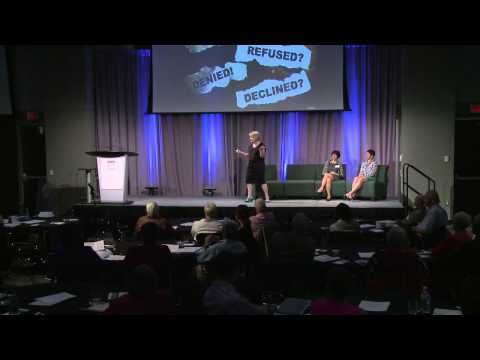
You know, stigma is a pretty heavy topic, right? It’s like this shadow that follows so many people around.
Imagine being judged for something you can’t control. That’s what discrimination feels like.
It messes with your head in ways you wouldn’t even believe. You start to second-guess yourself, question your worth, all because of how others view you.
But here’s the thing: it doesn’t have to define you. There’s power in understanding the psychological effects of stigma.
And talking about it? Well, that’s where the healing starts. So let’s get into it and see why this matters!
Understanding the Psychological Effects of Stigma: Impacts on Mental Health and Well-Being
Stigma surrounding mental health is like an insidious cloud that looms over people. It can totally affect how you see yourself and how you interact with the world. Seriously, it’s one of those things where the effects run deep and can last a lifetime.
When someone experiences stigma, it often leads to feelings of shame and isolation. You might find yourself thinking, «What if people knew I was struggling?» That fear can make you withdraw from friends or family, which only adds to the loneliness. So, here are some key points to keep in mind:
- Internalized stigma: This is when you take on society’s negative views about mental health and believe them yourself. It can crush your self-esteem. Maybe you’ve felt like a burden just for needing support.
- Avoidance of treatment: The fear of being labeled can prevent people from seeking help. It’s like standing at the edge of a pool, scared to jump in because you’re worried about what others will think.
- Social withdrawal: Stigma makes people feel they can’t share their struggles openly, leading to isolation. You might even distance yourself from friends because you’re worried they won’t understand what you’re going through.
- Increased anxiety and depression: The pressure that comes with stigma can actually worsen mental health disorders. When all you’re focused on is how others perceive you, it’s tough to manage your own feelings.
- Discrimination in workplace and healthcare: People with mental health issues often face bias at work or when trying to access healthcare. That can mean fewer job opportunities or inadequate care when they finally do seek help.
Imagine someone who has PTSD after experiencing a traumatic event. If they feel stigmatized—like people will judge them for having “mental problems”—they may choose not to talk about their trauma or seek therapy. This could lead them to cope with their challenges through unhealthy means like substance abuse instead.
It’s important to remember that this stigma isn’t just personal; it’s societal too! When communities promote understanding and acceptance around mental health issues, it lifts some of that heavy weight off individuals’ shoulders. So many folks out there are just looking for understanding instead of judgment.
Another layer to this whole issue is the media portrayal of mental illness. Sometimes TV shows and movies get it wrong—they depict characters as dangerous or over-the-top dramatic, reinforcing harmful stereotypes that feed into stigma.
The bottom line here? Stigma has real psychological effects on individuals battling mental health issues—not just abstract concepts floating around but concrete impacts on well-being and quality of life! Creating a culture where everyone feels safe talking about their struggles without fear of judgment is crucial for healing, both personally and collectively.
So next time you hear someone talk about mental health in a dismissive way or throw around stereotypes, think about what they might be contributing to—those emotional chains that hold so many back from living fully engaged lives. Empathy goes a long way in helping us all out!
Breaking Down Barriers: Real-Life Examples of Challenging Mental Health Stigma
Stigma around mental health can be really tough. It’s that feeling people get when they think they’re alone or misunderstood. Not only does this discrimination hurt individuals, but it also keeps them from seeking help. Let’s take a look at some real-life examples of how folks are pushing back against these barriers.
1. Celebrities Coming Forward
You know, when famous people share their struggles with mental health, it can have a huge impact. Take someone like Dwayne “The Rock” Johnson; he’s opened up about battling depression. When stars share their stories, it helps others feel less isolated. It sends a message: it’s okay to not be okay.
2. Workplace Initiatives
Some companies are starting to understand the importance of mental health in the workplace. For instance, major corporations offer programs that encourage open conversations and provide resources for employees struggling with mental health issues. This fosters a culture where talking about feelings isn’t just accepted but encouraged.
3. Social Media Movements
Social media has become an amazing platform for spreading awareness about mental health stigma. Think hashtags like #LetsTalk or #BellLetsTalk—they create communities where people share their experiences and support each other. It shows that everyone has struggles and that we’re in this together.
4. Advocacy Groups
Organizations like NAMI (National Alliance on Mental Illness) work hard to educate the public and advocate for better mental health services. They hold events, workshops, and campaigns aimed at reducing stigma in schools, workplaces, and communities. This grassroots approach is vital; it gets people involved right where they live.
5. Personal Stories Matter
Sometimes it’s just you sharing your own story with friends or family that opens up a dialogue about mental health—like when a friend confides in you about anxiety or depression, and you realize you feel the same way too! These personal connections can be deeply healing and spark change in those around us.
It’s all about making things easier for everyone dealing with these challenges, right? Stigma holds so many people back from seeking help or being their true selves—breaking down those barriers is absolutely essential for creating a supportive environment.
Remember, every time someone speaks out or shares their struggle, they’re helping to chip away at stigma bit by bit—and seriously? That makes all the difference in the world!
Understanding the Psychology Behind Discrimination: Insights and Impacts
Discrimination is one of those topics that, unfortunately, is still super relevant in our society. When we talk about discrimination, we’re usually referring to unfair treatment based on characteristics like race, gender, age, or sexual orientation. But what’s happening in our brains when we experience or witness discrimination? That’s where the psychological aspects come in.
First off, discrimination can cause serious emotional harm. Many people who face discrimination endure feelings of anxiety and depression. Imagine being told you don’t belong somewhere simply because of who you are; that can really mess with your self-esteem and sense of worth. For instance, if someone gets passed up for a job just because they’re different from the rest of the team, it can feel downright devastating.
Then there’s the concept of internalized stigma. This happens when people start believing the negative stereotypes that others impose on them. It’s like a bad mirror reflecting all the worst things people say about you back at you. So instead of standing tall and proud, they might shrink away from opportunities because they think they don’t deserve them.
Another thing to consider is how discrimination affects relationships. People who experience discrimination often isolate themselves due to fear or shame. For example, an LGBTQ+ person might avoid family gatherings because they worry about being judged or rejected. That isolation can lead to loneliness and make mental health issues worse.
Let’s not forget about social learning. We sometimes pick up biases from family or media without even realizing it. For instance, if a child grows up hearing negative comments about a certain race from their parents or seeing negative portrayals in movies, they may internalize these views as normal behavior. It creates a cycle that’s tough to break.
You also have to think about power dynamics. Discrimination often happens within hierarchies where one group has more power over another. This imbalance can create an «us versus them» mentality that fuels further discrimination and stigma. If someone in power perpetuates these biases—like in workplaces or schools—it can leave those on the receiving end feeling powerless.
And here’s something crucial: the long-term effects of discrimination can be profound. It’s not just a momentary sting; it can affect physical health too! Stress levels rise when someone feels discriminated against regularly—which can lead to issues like hypertension and heart disease down the line.
So what do we do with all this information? Understanding these psychological impacts is key for fostering empathy—both for ourselves and others dealing with discrimination. When we recognize how deeply such experiences affect mental health and well-being, maybe we’ll be more motivated to challenge those harmful beliefs around us.
Ultimately, acknowledging these feelings isn’t just important for individuals; it’s vital for communities too. Creating spaces where everyone feels valued leads to better mental health outcomes across the board! Our shared responsibility lies in combating stigma while supporting one another through understanding and compassion.
Alright, let’s talk about something that really gets under my skin: stigma and discrimination, especially when it comes to mental health. You know how sometimes you feel like you’re living in a bubble? Everything seems okay on the outside, but inside you’re wrestling with emotions that just don’t disappear? When society slaps on labels—you’re “crazy,” “weak,” or “less than”—it adds this extra weight that can feel suffocating.
I remember a friend of mine, let’s call her Sarah. She had been struggling with anxiety for years but was too afraid to get help because of what people might think. Every time she even thought about opening up, memories of people mocking those who needed therapy flooded her mind. That fear kept her stuck in a cycle of worry and isolation. It’s heartbreaking because it’s so common; the very act of seeking help can feel like a huge risk.
Discrimination isn’t just annoying; it has real psychological effects. Those negative thoughts can lead to feelings of shame and self-doubt. You start to believe the harsh things people say about mental health—as if they define you or your worth. The result? A vicious cycle where your mental health plummets even further, reinforcing the stigma that held you back in the first place.
When society pushes these judgments onto us, they mess with our heads in ways we don’t even realize at first. It can lead to social withdrawal or avoiding situations that might trigger anxiety—like meeting new people or trying new things—because you fear being judged again. It’s like being trapped in a room where every door is locked by someone else’s opinion.
But here’s the kicker: challenging this stigma is possible! Every time someone shares their story or advocates for mental health awareness, they chip away at those walls built by ignorance and fear. It might seem small, but talking openly—like Sarah eventually did—makes a huge difference for others who are feeling alone.
So yeah, confronting discrimination and breaking down stigma is more than just changing minds; it’s about healing hearts and souls too. We’ve got to create spaces where everyone feels safe enough to share their struggles without fear of judgment—or worse, feeling they have to carry them alone. Because when we challenge these outdated views together? That’s when real change happens!