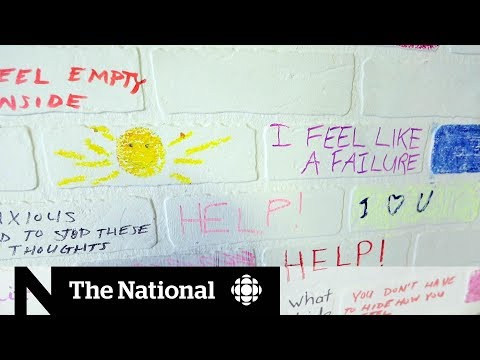
You know how people talk about mental health like it’s some kinda taboo? It’s wild. Like, we treat a hurt knee with ice and rest, but anything going on in our heads? Yikes, that’s a different story.
I mean, seriously. Why can’t we just chat about our feelings like we do about the weather? If you think about it, everyone has stuff going on. You’re not alone in this.
Yet, there’s still this heavy stigma hanging around like a bad smell. It keeps folks quiet when they really need to speak up.
So let’s break it down together. Let’s see what we can do to change the convo around mental health and make it a little less scary. Sound good?
Exploring Current Societal Perspectives on Mental Health: Trends and Insights
Mental health is a big topic these days, and it’s about time! People are starting to recognize that it’s just as important as physical health, you know? But there’s still a lot of work to do when it comes to breaking down that stigma surrounding mental health.
Stigma is this heavy weight we all feel sometimes. It’s the judgment or discrimination against those with mental health issues. You’ll hear phrases like “just get over it” or “it’s all in your head.” This kind of talk can really push people deeper into silence about their struggles. And that’s not cool.
So, what are we seeing now? More openness in conversations about mental health. Social media plays a huge role here. Think about how many celebrities share their experiences! They’re human too, right? When they talk openly about therapy or anxiety, it makes others feel like they can do the same.
- The rise of mental health awareness campaigns.
- Incorporation of mental health education in schools.
- The push for workplace wellness programs.
One example that stands out is how schools have started implementing programs focused on emotional well-being. Imagine being in middle school and learning about meditation instead of just math formulas! This helps kids understand their feelings better and not feel alone if they’re struggling.
On the workplace front, companies are beginning to realize that employee well-being boosts productivity. Seriously! When workers feel supported regarding their mental wellness, they’re happier and more engaged at work. It’s a win-win situation.
But yeah, there are still challenges ahead. Not everyone is on board with these changes, especially those who grew up with the old-school mentality of “just toughen up.” But every conversation counts—every time someone shares their story or even just listens to someone else’s struggle makes a difference.
And let’s not forget—try looking at things from a personal angle for a second. Maybe you’ve had a friend open up after years of hiding their anxiety or depression? That takes courage and shows how important breaking down stigma truly is.
Overall, current societal perspectives on mental health are shifting towards greater acceptance and understanding. But it needs everyone involved to keep pushing for progress—because no one should walk through the world feeling alone because they’re dealing with something invisible yet so heavy on their shoulders.
5 Effective Strategies to Combat Mental Health Stigma
Mental health stigma is a heavy burden that too many people carry. It’s kinda like an invisible weight that makes it hard to talk about feelings or ask for help. So, let’s break down some strategies to fight that stigma in our communities.
1. Open Conversations. Talking openly about mental health can make a huge difference. When you share your experiences, it creates space for others to do the same. Imagine sitting around with friends and bringing up how you’ve felt anxious before—it can make someone else feel less alone. You know?
- Share your story. It might inspire someone else.
- Encourage discussions in schools or workplaces.
2. Education is Key. Many people hold onto stereotypes or misconceptions because they just don’t know any better. By educating ourselves and those around us, we chip away at ignorance and prejudice.
- Organize workshops or seminars on mental health topics.
- Share relevant articles or books with friends who might be interested.
3. Support Mental Health Advocacy. There are loads of organizations working tirelessly to promote awareness and understanding of mental health issues. Supporting them can amplify their message.
- Volunteer your time or skills; it feels good to give back!
- Participate in local events, like fundraisers or awareness walks.
4. Challenge Stereotypes. If you hear someone making a joke about mental illness or using derogatory language, speak up! It’s uncomfortable sometimes, but standing against casual stigma shows others that this stuff matters.
- Your voice matters—use it when you see something wrong.
- Lead by example; use respectful language yourself.
5. Normalize Help-Seeking Behavior. Let’s face it: asking for help is tough! But normalizing therapy or counseling can change the game entirely. Share stories of how getting help has positively impacted your life—or encourage others to seek support.
- Tell folks that therapy is like going to the gym for your mind!
- Create safe spaces where talking about feelings is encouraged.
Tackling mental health stigma takes time, effort, and a little vulnerability from all of us. But just think: if each of us makes an effort, we could create a world where everyone feels free to express themselves without fear of judgment—now wouldn’t that be something?
4 Powerful Strategies to Shatter Mental Health Stigma and Promote Understanding
Breaking Down Mental Health Stigma is really important. It can affect how people see themselves and others when it comes to mental health. If you wanna make a real change, there are some powerful strategies that can help. Here’s how you can shatter stigma and promote understanding about mental health.
Talking openly about mental health can seriously change perspectives. You know, when people share their stories, it creates a sense of connection. Like, think about someone sharing their battle with anxiety at a family gathering. That openness helps others realize they’re not alone in their struggles and promotes empathy, which is key to breaking down walls.
We often fear what we don’t understand. So, educating ourselves and others about mental health conditions is super crucial. It could be as simple as sharing articles or hosting workshops. For example, schools could offer classes on mental wellness where students learn about depression or bipolar disorder, kinda like how they learn about biology or history. Knowledge helps eliminate misconceptions and myths.
Creating spaces where people feel safe talking about their feelings makes a huge difference. Workplaces can implement “mental health days” or friendly check-ins with employees. Imagine walking into an office where leaders say it’s okay to take a day off if you’re feeling drained mentally; that kind of attitude fosters acceptance and support.
Sometimes we forget that everyday people are doing amazing things in the mental health field without fanfare. We should celebrate those who offer help—like friends who listen without judgment or local volunteers working at crisis hotlines. Highlighting these unsung heroes encourages others to get involved too! Plus, it shows kindness is contagious.
By embracing these strategies, we can chip away at the stigma surrounding mental health bit by bit. It’s all about changing hearts and minds, one conversation at a time! So yeah, let’s keep talking about it and making the world just a little bit kinder to everyone struggling out there.
You know, mental health stigma is one of those things that can feel like an enormous weight just sitting on your chest. It’s like, everywhere you turn, there’s this underlying pressure to fit into these rigid ideas about what it means to be “normal.” Like, I remember this one time when a friend opened up about struggling with anxiety. The response from some people was just…cringe-worthy. They laughed it off or said things like, “Just toughen up!” That really hit me hard because it made my friend feel small and isolated.
So, there we are in a world where mental health issues are common. Seriously, chances are you know someone who’s grappling with something—whether quietly or not. Yet we still hear these outdated stereotypes that make folks hesitate to reach out for help. Why’s that? It’s such a shame because opening up can be incredibly liberating!
When we talk about breaking down stigma, it’s not just about being nice or politically correct. It’s life-changing! Imagine if everyone could talk freely about their feelings and struggles without fear? Think of how much better people would feel if they knew they weren’t alone in their experiences.
In recent years, though, I’ve noticed shifts happening—more celebrities standing up and sharing their journeys or communities rallying to support mental health initiatives. This makes a difference! But we need to keep nudging the conversation forward—like making sure schools educate kids on mental health early on so they grow up understanding it isn’t shameful.
After all, so many people out there just want connection and understanding. Letting go of stigma is the key that unlocks doors for them—doors leading to acceptance and healing. So let’s chat more openly about this stuff instead of pretending everything’s fine when it’s not. You never know whose heart you might lift in the process!