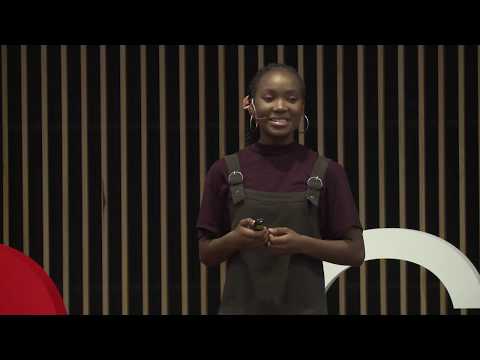
You know what? There’s this thing going around—like a shadow that looms over folks with Borderline Personality Disorder, or BPD for short. It’s all about stigma. Seriously, it’s like this weird cloud that just hangs there, making it tough for people to talk openly about what they’re feeling.
Imagine feeling intensely emotional but then being labeled as “too much.” Yeah, that’s rough. You want to scream, “I’m not too much! I’m just me!” But instead, silence wraps around you like a heavy blanket.
So let’s break that silence together. Let’s chat about what it really means to live with BPD and why shaking off the stigma is crucial—like, life-changing crucial. There’s a lot we can unpack here, and trust me, it’s worth it.
Breaking the Silence: Understanding and Overcoming Mental Health Stigma
Breaking the silence around mental health is super important, especially when we talk about things like Borderline Personality Disorder (BPD). There’s a lot of stigma surrounding BPD, and honestly, it can be pretty damaging. So let’s get into it.
First off, what is mental health stigma? Well, it’s basically the negative attitudes and beliefs that society holds about people with mental health issues. Imagine being in a room full of people but feeling totally alone because they don’t really get what you’re going through. That’s how stigma makes folks feel.
Now, think about BPD for a second. This disorder can bring intense emotions and unstable relationships. It’s not just «being emotional.» It’s like your feelings are on a rollercoaster, and that can lead to misunderstandings from those who don’t understand what it means. For example, someone might see a person struggling with BPD as “too dramatic” or “crazy,” which isn’t fair or accurate at all.
One big reason this stigma sticks around is because of misinformation. People often assume they know what BPD is based on movies or articles that aren’t really true to life. They think everyone with BPD behaves the same way or has violent tendencies—totally wrong! Each person is different and labeling them just fuels the fire of misunderstanding.
Next up, let’s talk about how stigma affects those living with BPD. Many people feel shame for their symptoms and struggle to reach out for help. They worry about how others will perceive them if they open up about their struggles. This isolation can lead to even more severe emotional pain. It’s like being caught in this cycle where fear of judgment keeps you away from the support you really need.
So how do we start breaking this silence?
- Open conversations: We need to talk more openly about mental health issues without judgment.
- Educate ourselves: Learning more about mental illnesses helps challenge those negative stereotypes.
- Support each other: If someone you know has BPD or another condition, listening without judging goes a long way.
And here’s the thing: when we start having real talks about these topics, we help create environments where people feel safe sharing their experiences without fear of judgment or rejection.
Have you ever heard someone share their story? It could be incredibly powerful. Like my friend Sarah—she opened up one day about her struggles with BPD during dinner. Honestly, I had no clue what she went through until then! Hearing her struggle made me realize how much she had been carrying alone and how vital it was for her to speak out loud.
To wrap things up (not that I want to rush), understanding and overcoming mental health stigma requires effort from all of us. It takes compassion and openness to break down those walls that keep us apart. Every conversation counts; every bit of understanding matters. So let’s keep talking!
Breaking the Silence: Effective Strategies to Overcome BPD Stigma
Breaking the stigma around Borderline Personality Disorder (BPD) is such an important topic. You know, people often misjudge what BPD really is, and this misunderstanding can lead to some serious challenges for those living with it. But if we want to make a change, it starts with conversation and education.
People with BPD often face harsh stereotypes. They might be seen as overly emotional or manipulative. This can lead to feelings of isolation, shame, and even more difficulties in managing their symptoms. So here’s the deal: we need to break that silence and start talking about effective ways to tackle this stigma.
One way is through education. When we learn about BPD, what it really entails—like the intense emotions and struggles people go through—it’s easier to be compassionate. For instance, maybe you’ve heard someone say that people with BPD are «just dramatic.» But in reality, they’re experiencing genuine pain. By spreading correct information, we can change these misconceptions.
Another important strategy is sharing personal stories. Let me tell you about Sarah; she lived with BPD for years without anyone understanding her struggle. When she finally opened up in her community group about her experiences—how hard it was to manage emotions and maintain relationships—it created a big shift. People started seeing her not just as a diagnosis but as a person with dreams and challenges like anyone else.
Encouraging open dialogue also plays a key role here. If you’re talking to someone who has misconceptions about BPD, don’t shy away from speaking up! Share how harmful stereotypes can affect real lives. It’s like trying to change the narrative one conversation at a time; every little bit helps.
We also have social media at our fingertips now! Platforms like TikTok or Instagram are full of mental health advocates sharing their journeys with BPD openly and honestly. This kind of visibility matters because it shows the world that those battling BPD aren’t alone—they’re part of a bigger conversation.
Of course, support systems matter too. Encourage friends or family members who know someone with BPD to educate themselves! Allies can really make a difference by standing up against stigma when they see it happening; for example, if they hear someone making jokes about mental health issues at work or school.
Finally, let’s not forget healthcare providers need training too! If doctors or therapists are more informed about BPD and its complexities, they’ll deliver better care without bias—imagine how much that could help individuals seeking support!
To wrap things up: breaking the stigma surrounding BPD isn’t going to happen overnight—it takes time and effort from all of us. Education, personal stories, open dialogues, supportive networks, and trained professionals all play vital parts in this journey towards understanding. Basically? We need each other more than ever!
Understanding BPD Remission: Signs, Stages, and What to Expect
Borderline Personality Disorder (BPD) can feel like a whirlwind. It’s packed with intense emotions and relationships that can be really overwhelming. But the cool thing is that remission is a real possibility. So, let’s chat about what remission looks like and what you can expect during this journey.
First off, remission generally means a significant decrease in the severity of symptoms over time. People may still have some traits of BPD but they won’t interfere with daily life as much. Picture this: someone who once had emotional meltdowns might now only feel upset but manage to express it more calmly.
The road to remission usually has different stages. You know how life isn’t always linear? Same here!
- Acutely Distressed Stage: This is when symptoms are at their peak. You might notice a lot of impulsivity, fear of abandonment, and those wild mood swings.
- Stabilization Stage: Here’s where things start leveling out a bit. Maybe you’re learning coping skills through therapy or managing triggers better.
- Maintenance Stage: In this stage, individuals often feel more grounded. The strategies learned in therapy become part of daily life, leading to improved relationships.
- Sustained Recovery Stage: Finally, this is the sweet spot! Individuals experience fewer emotional ups and downs, feeling more connected to themselves and others.
Now let’s talk about signs you might look for as someone moves toward remission. You may notice:
- Improved Emotional Regulation: This means being able to handle emotions without flipping out or shutting down.
- Bouncing Back from Stress: When stress comes around, instead of crumbling under pressure, there’s resilience!
- Better Relationships: Those old patterns of chaotic relationships? They might start shifting toward healthier connections.
- A Sense of Self: Who am I? Someone with BPD often struggles with identity issues. In remission, there’s clarity around self-worth and values.
So what can you expect during this whole process? Well, it can be bumpy at times! Progress isn’t always straightforward—it tends to have its highs and lows.
Take Anna’s story: she struggled for years with feelings of emptiness and swinging moods that made her relationships rocky. With therapy focused on DBT (Dialectical Behavior Therapy), she started recognizing triggers and building skills over time. It wasn’t quick—some days felt impossible—but after months Anna began experiencing those signs of remission we talked about earlier.
On some days she’d falter; maybe an argument would trigger old habits or strong feelings would pop up unexpectedly. But instead of feeling like it was all going downhill again, she could reflect on her progress and use her coping tools.
It’s critical to remember that BPD stigma can weigh heavy on folks experiencing these challenges. The fight for understanding is ongoing—and just because someone has moments where they feel overwhelmed doesn’t mean they’re not making progress overall.
In short, BPD remission is totally achievable! Just look for the positive shifts along your journey—like emotional control where chaos once reigned—and remember that healing takes time but brings hope too!
You know, it’s wild how we talk about mental health today, but there are still some things that people just don’t get. One of those is Borderline Personality Disorder (BPD). Like, you hear about depression and anxiety all the time, but BPD? It often gets swept under the rug. And that silence? It just adds to the stigma.
I remember a friend of mine—let’s call her Sarah. She had BPD, and for years, she felt like she had to hide it. Whenever she’d mention her diagnosis, it was like people suddenly didn’t know what to say. Their expressions changed too. Instead of empathy or support, they backed away slowly, as if she was contagious or something. Honestly, that kind of reaction can make anyone feel even more isolated.
The thing is, BPD isn’t about being “crazy” or overly dramatic—it’s so much more complex than that. People with BPD often experience intense emotions and have a hard time managing them. Imagine living every day feeling like a rollercoaster—highs and lows that can feel overwhelming. It’s rough! Plus, the fear of abandonment is like a constant shadow lurking around.People with BPD really struggle with relationships because they might swing between extreme feelings about others; one minute they love someone completely and the next they might feel abandoned or rejected.
Breaking the silence means having real conversations about what BPD actually looks like and how it affects people’s lives—not just in clinical terms but also on an emotional level. It’s acknowledging that these folks need genuine support instead of judgmental looks or whispered gossip behind their backs.
When we share stories and experiences—it creates understanding. Layman’s terms here: empathy bridges gaps! We need to create spaces where people can share without fear of being misunderstood or marginalized.
So yeah, let’s be real: tackling stigma around BPD requires work from all sides—from friends who listen without judgment to therapists who understand nuances beyond textbook definitions. We all share this world; why not make it a bit kinder for everyone?